Introduction: Why Anxiety is So Common Today
In 2026, anxiety has become one of the most common mental health challenges. Constant notifications, work pressure, lack of rest, and digital overload can keep your mind in a state of stress.
While medication and therapy are important when needed, many science-backed daily habits can naturally reduce anxiety and help you feel calmer, more focused, and in control.
The best part? These habits are simple and take only a few minutes a day.
-
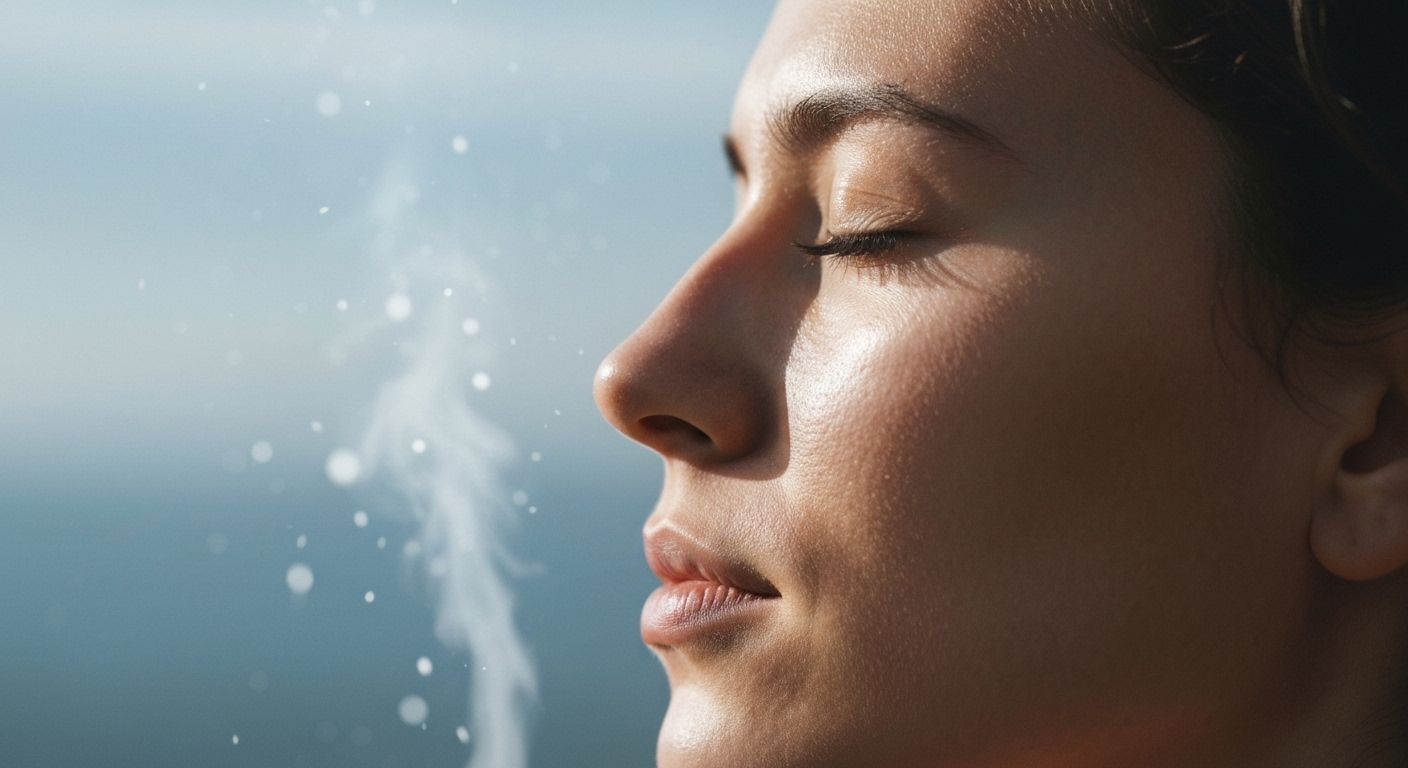
Deep Breathing (Activates Calm Response)
- What to do:
- Inhale for 4 seconds
- Hold for 4 seconds
- Exhale for 6 seconds
- Repeat for 5 minutes
- Science: Deep breathing activates the parasympathetic nervous system, reducing stress hormones and calming your body.
- Benefit: Instant anxiety relief.
- What to do:
-
Daily Movement (Exercise for the Mind)

- What to do:
- 10–20 minutes of walking
- Light stretching or yoga
- Quick home workout
- Science: Exercise releases endorphins, natural chemicals that improve mood and reduce anxiety.
- Benefit: Better mood and energy.
- What to do:
-
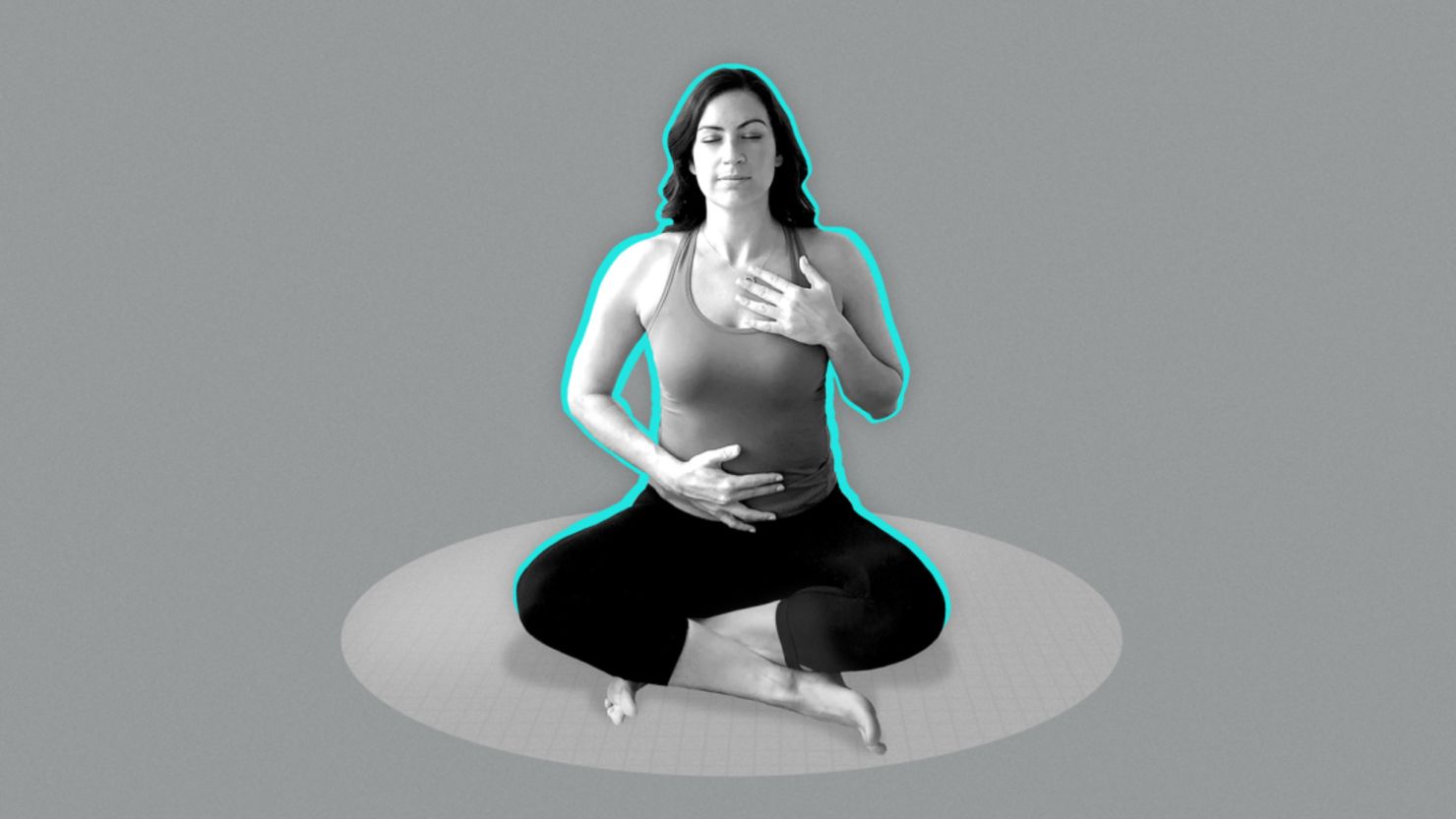
Mindfulness & Meditation
- What to do:
- Sit quietly for 5–10 minutes
- Focus on your breath
- Observe thoughts without reacting
- Science: Mindfulness reduces activity in the brain’s stress center (amygdala).
- Benefit: Improved emotional control.
- What to do:
-
Reduce Screen Time (Digital Detox)

- What to do:
- Avoid screens before sleep
- Take short digital breaks
- Limit social media use
- Science: Excess screen time increases dopamine spikes and anxiety levels.
- Benefit: A calmer mind and better sleep.
- What to do:
-
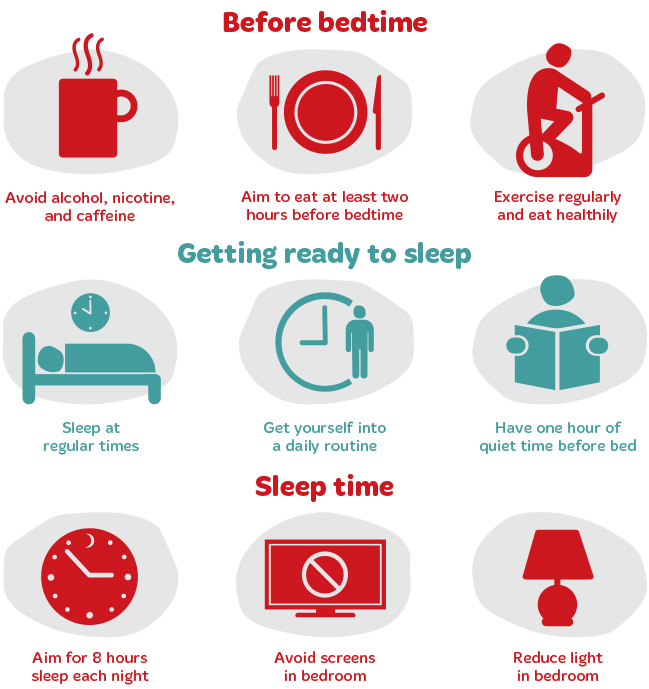
Quality Sleep Routine
- What to do:
- Sleep 7–8 hours daily
- Maintain a fixed schedule
- Avoid caffeine late in the day
- Science: Poor sleep increases cortisol (stress hormone).
- Benefit: Lower anxiety and better mental clarity.
- What to do:
-
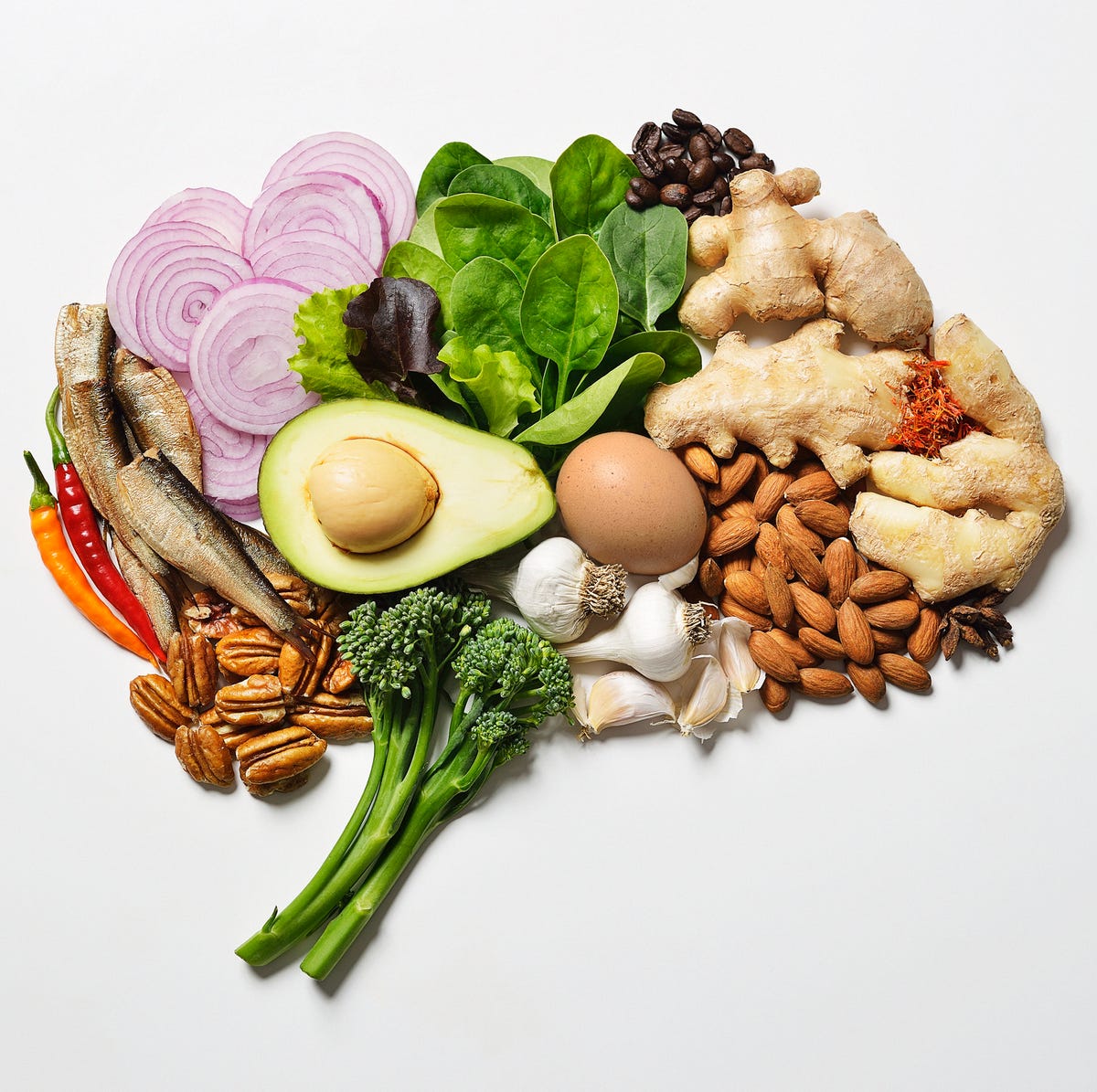
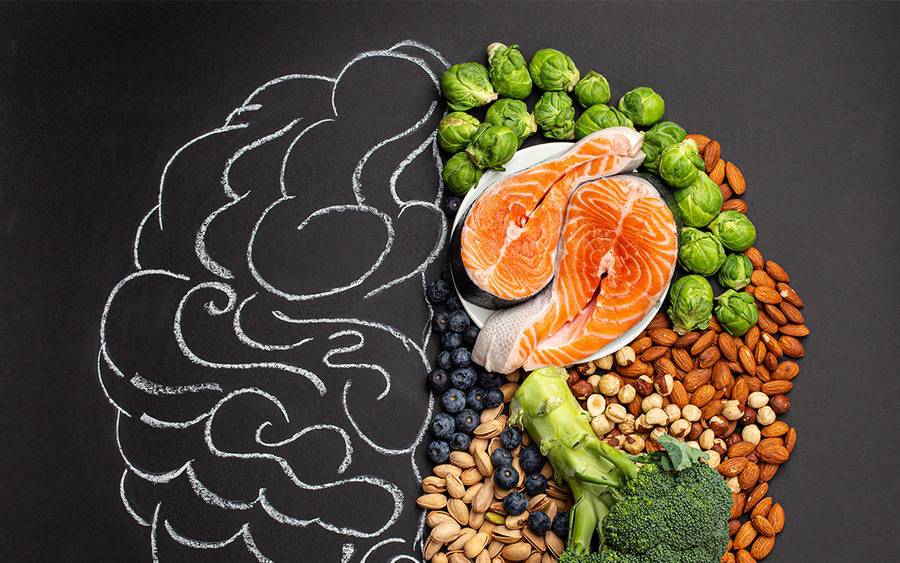
Healthy Nutrition for Brain
- What to eat:
- Fruits and vegetables
- Nuts and seeds
- Omega-3 rich foods
- Science: Nutrition directly affects brain chemistry and mood.
- Benefit: Stable energy and reduced anxiety.
- What to eat:
-
Gratitude Practice
- What to do: Write 3 things you are grateful for daily.
- Science: Gratitude increases serotonin and dopamine, improving mood.
- Benefit: Shifts focus from stress to positivity.
-
Limit Caffeine & Stimulants
- What to do: Reduce excessive coffee or energy drinks.
- Science: High caffeine intake can increase heart rate and anxiety.
- Benefit: More stable mood.
-
Social Connection
- What to do: Talk to friends or family regularly.
- Science: Human connection releases oxytocin, which reduces stress.
- Benefit: Emotional support and calmness.
-
Journaling Your Thoughts
- What to do: Write your thoughts and feelings daily.
- Science: Journaling helps process emotions and reduce mental overload.
- Benefit: Clarity and emotional release.
How to Build These Habits (Simple Routine)
- Morning: Breathing + movement
- Afternoon: Digital break + healthy food
- Evening: Mindfulness + journaling
- Night: Sleep routine
👉 Start with 2–3 habits and build gradually.
Benefits You’ll Notice
- Reduced anxiety
- Better sleep
- Improved focus
- Emotional balance
- Increased positivity
Common Mistakes to Avoid
- Trying too many habits at once
- Being inconsistent
- Expecting instant results
👉 Consistency matters more than perfection.
Final Thoughts: Small Habits, Big Relief
Anxiety may be a part of life—but it doesn’t have to control you.
By practicing these science-backed habits daily, you can naturally calm your mind and improve your well-being.
Conclusion
You don’t need complicated solutions to reduce anxiety.
Simple daily habits—done consistently—can create powerful changes.
Start today. Even one small step can make a big difference.