Introduction: A New Era of Mental Fitness
In 2026, wellness is no longer just about physical health—it’s about optimizing your mind. With rising stress levels, digital overload, and increasing awareness of mental health, a new concept is gaining attention: neurowellness.
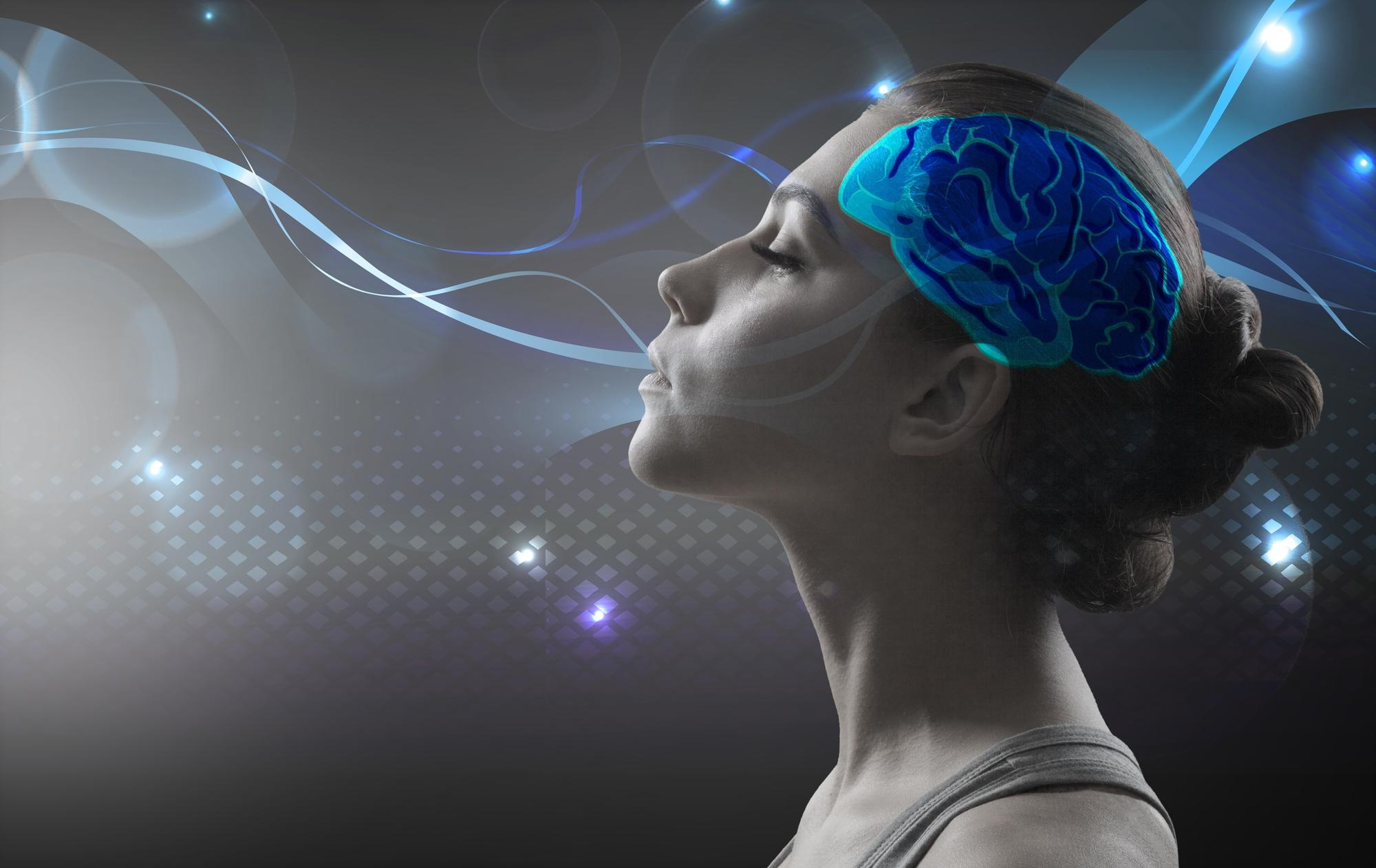
Neurowellness focuses on improving brain performance, emotional balance, and cognitive health using a combination of science, lifestyle habits, and technology. It’s not just about avoiding mental illness—it’s about building a stronger, sharper, and more resilient mind.
Let’s explore what neurowellness really means and why it’s becoming the future of mental fitness.
What is Neurowellness?
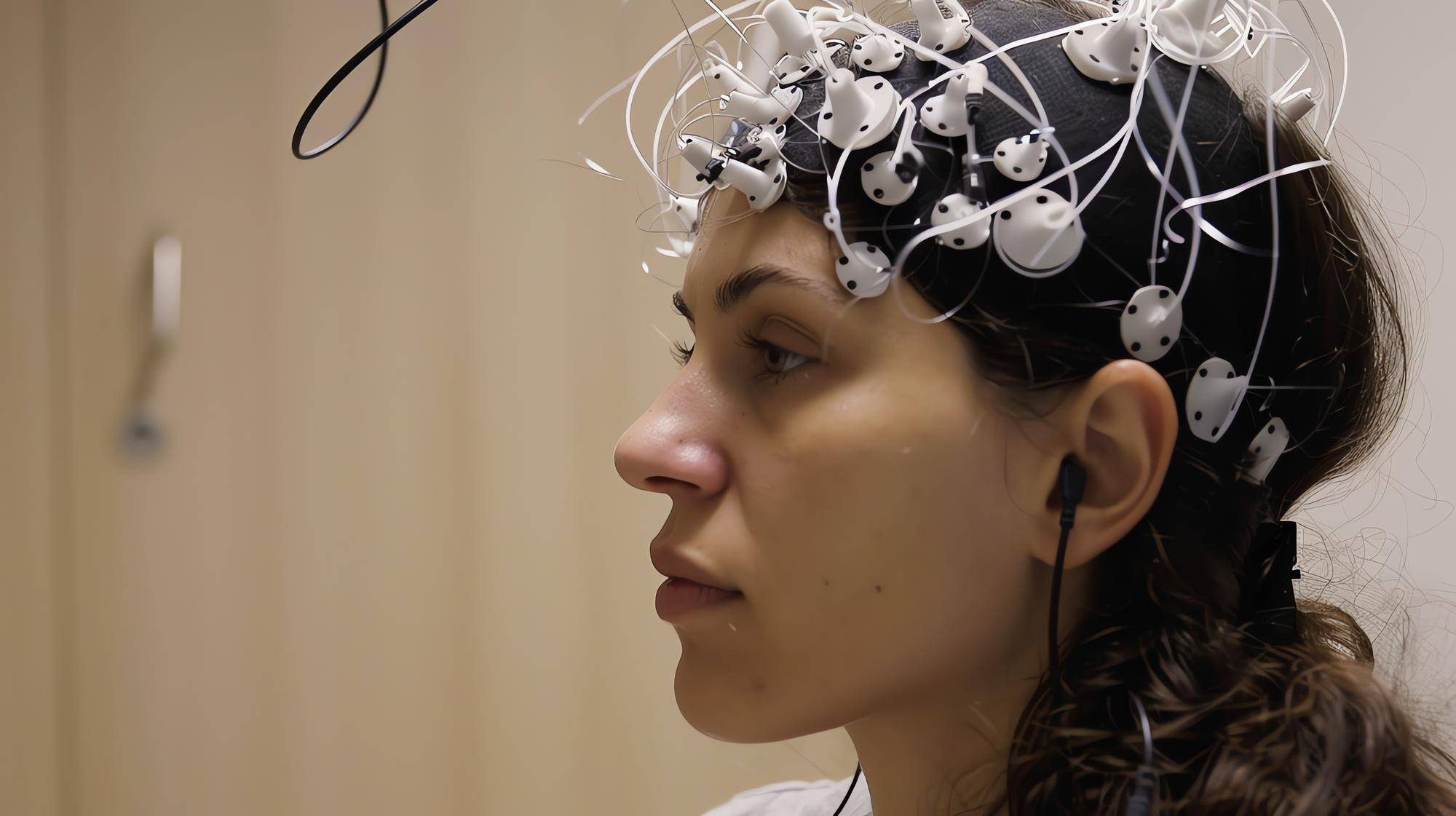
Neurowellness is the practice of maintaining and enhancing brain health through intentional habits, tools, and techniques.
It includes:
- Improving focus and memory
- Managing stress and emotions
- Enhancing cognitive performance
- Building mental resilience
Simple Definition:
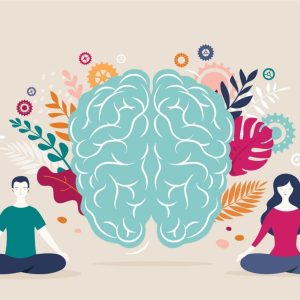
Neurowellness is fitness for your brain, just like exercise is for your body.
Why Neurowellness Matters in 2026

Modern life is more demanding than ever:
- Constant notifications
- Information overload
- High work pressure
- Reduced attention span
These factors affect your brain daily.
The Problem:
Most people train their bodies—but ignore their minds.
The Shift:
Neurowellness focuses on proactive mental fitness, not just treatment.
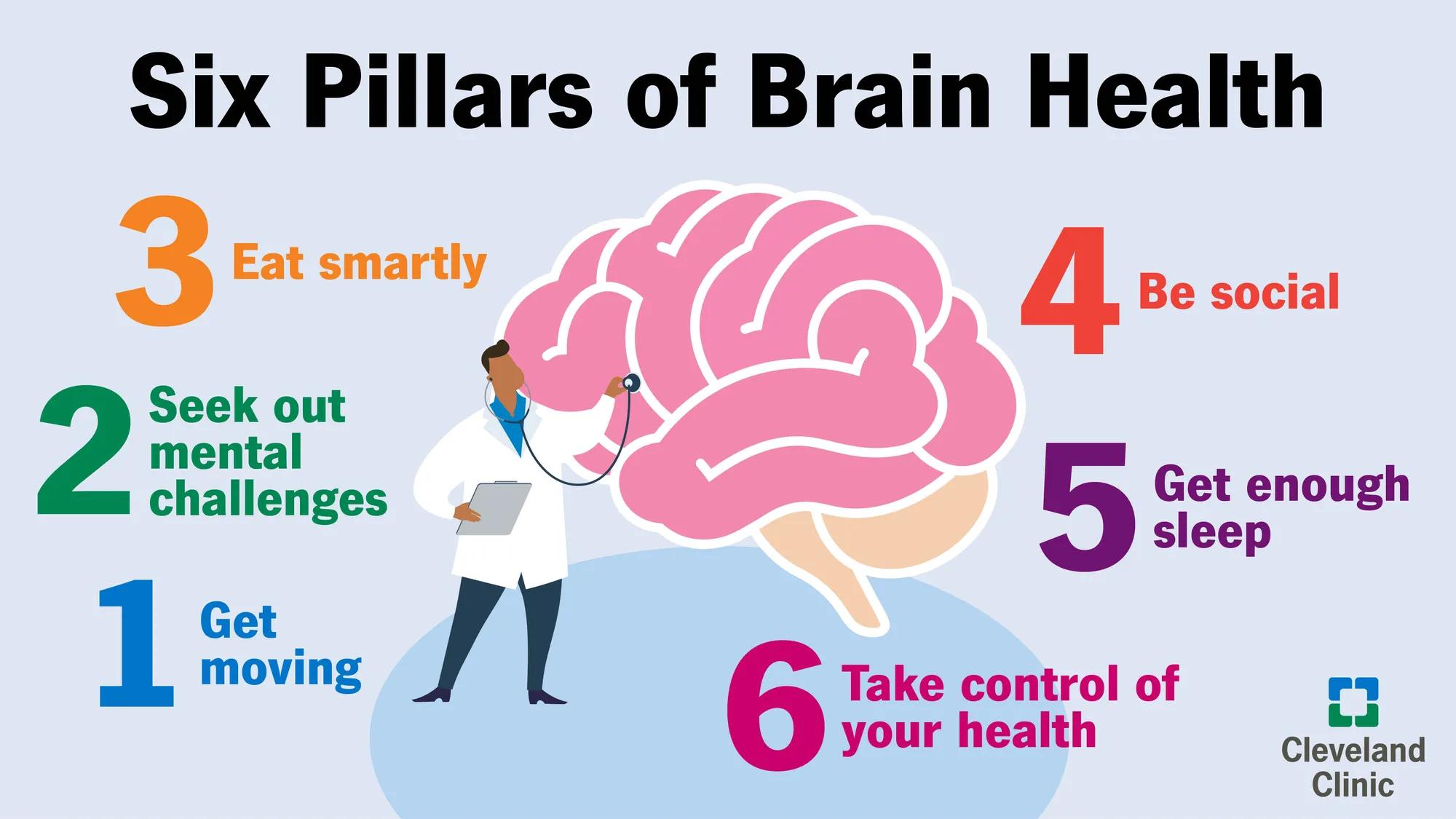
Key Pillars of Neurowellness
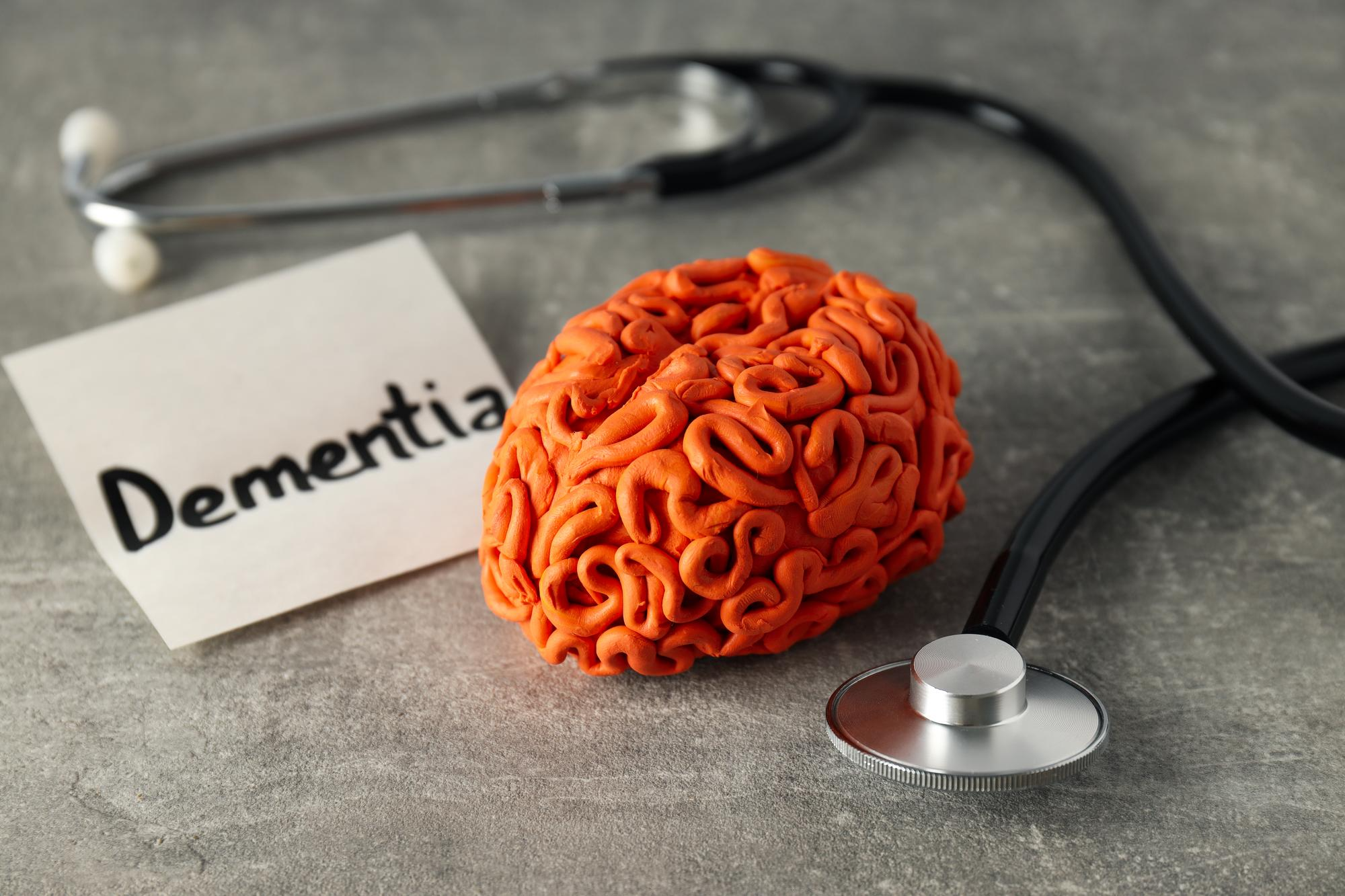
Neurowellness is built on several important pillars:
- Mental Clarity & Focus
Practices like deep work and mindfulness improve concentration. - Emotional Balance
Managing stress, anxiety, and mood through awareness and techniques. - Brain Nutrition
Healthy food supports cognitive function (omega-3s, antioxidants). - Sleep Optimization
Quality sleep is essential for memory and brain recovery. - Cognitive Training
Brain exercises and learning new skills enhance neural connections.
The Role of Technology in Neurowellness
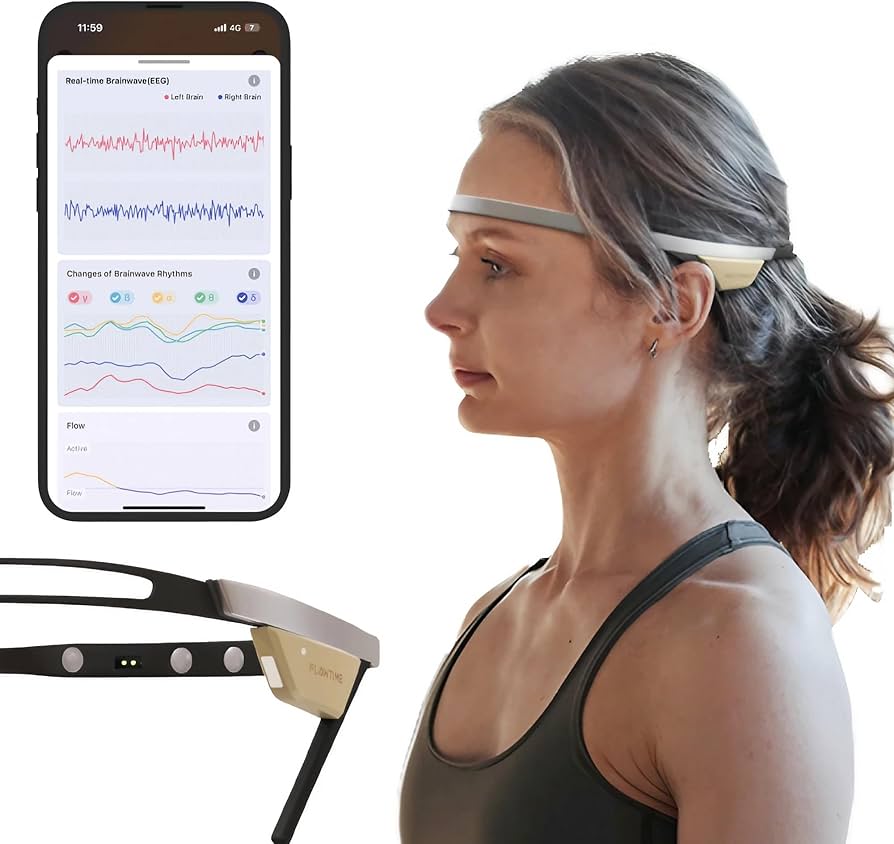
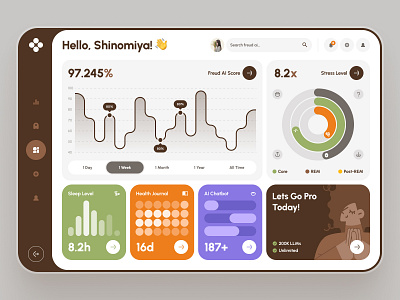
Technology is playing a huge role in this evolution.
Examples:
- Brain-training apps
- Meditation apps
- Wearables tracking sleep and stress
- AI-driven mental health tools
Future Trends:
- Neurofeedback devices
- Personalized brain optimization programs
- AI mental wellness coaches
Insight:
Technology is shifting from distraction → to optimization.
Benefits of Neurowellness
Practicing neurowellness can improve your life in many ways:
- Improved Focus
Better concentration on tasks. - Reduced Stress
Calmer and more balanced emotions. - Better Memory
Enhanced learning and recall ability. - Higher Productivity
More efficient work and creativity. - Emotional Stability
Better control over reactions and mood.
How to Start Practicing Neurowellness

You don’t need advanced tools to begin.
Simple Daily Practices:
- Meditation (5–10 minutes)
- Digital detox (reduce screen time)
- Healthy diet (brain-friendly foods)
- Regular exercise
- Quality sleep (7–8 hours)
Bonus:
Try learning something new daily—this strengthens your brain.
Neurowellness vs Mental Health
| Neurowellness | Mental Health |
|---|---|
| Focus on optimization | Focus on treatment |
| Preventive approach | Reactive approach |
| Daily habits & tools | Therapy & medication |
👉 Both are important—but neurowellness is about growth, not just recovery.
Who Should Care About Neurowellness?
Neurowellness is for everyone, especially:
- Students (better focus & memory)
- Professionals (productivity & stress control)
- Entrepreneurs (decision-making & clarity)
- Anyone feeling mentally tired or distracted
The Future of Neurowellness
Neurowellness is not a trend—it’s the future.
As awareness grows, we’ll see:
- Brain fitness is becoming as common as gym workouts
- Schools teaching mental optimization
- Companies investing in employee neurowellness
Conclusion: Train Your Brain Like Your Body
Your brain is your most powerful asset.
Neurowellness teaches us that mental fitness is not optional—it’s essential. By building small daily habits, you can improve focus, reduce stress, and unlock your full potential.
Start small. Stay consistent. And remember—
A strong mind creates a strong life.