
Introduction: Why Stress May Be Affecting Your Weight
Have you ever noticed weight gain during stressful periods—even when your eating habits haven’t changed much?
In 2026, experts are paying more attention to the connection between:
- Stress
- Hormones
- Belly fat
- Mental health
At the center of this discussion is a hormone called cortisol.
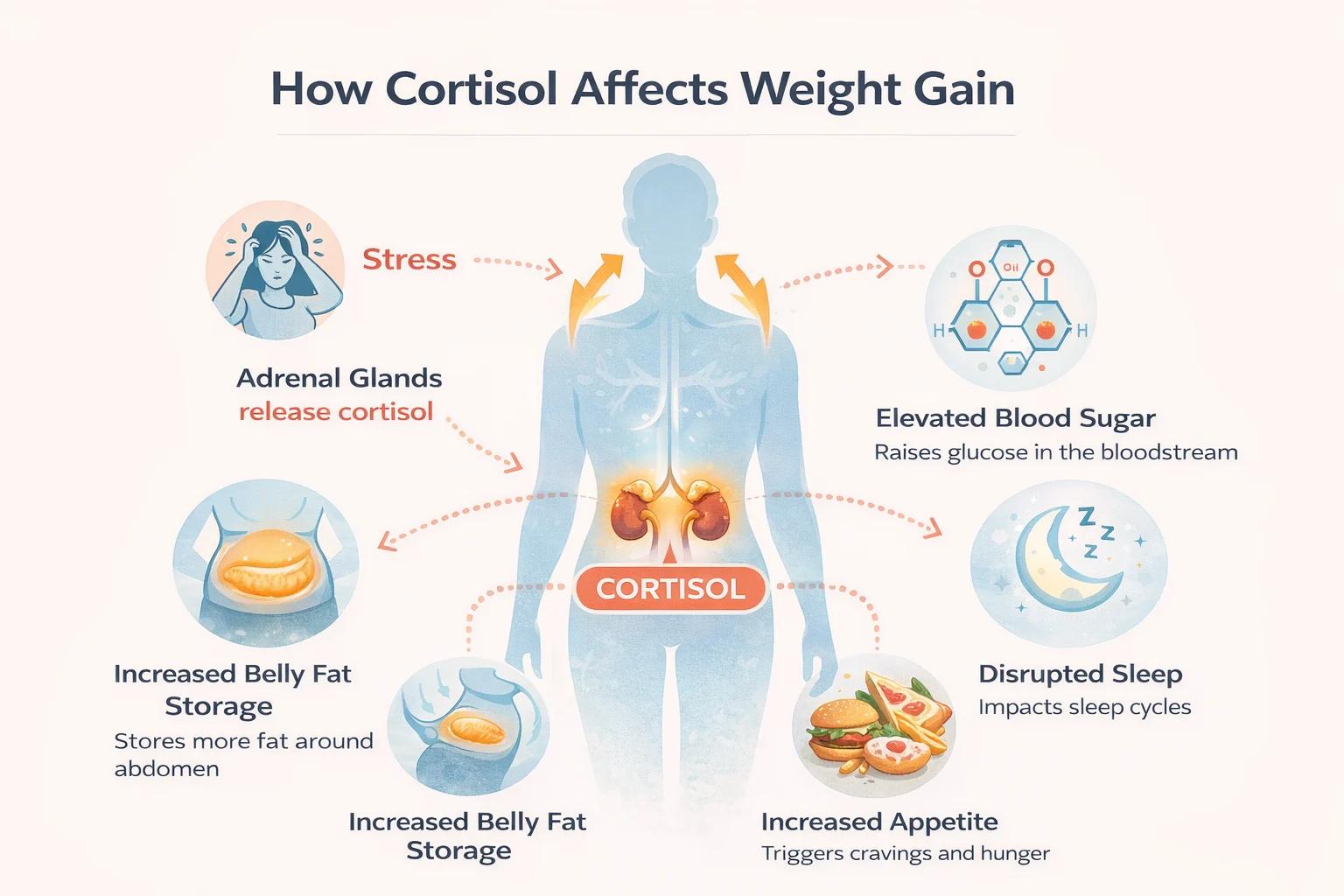
Often known as the stress hormone, cortisol plays a major role in how your body stores fat, controls hunger, and manages energy.
The result? Chronic stress can contribute to what many people call a “stress belly.”
This guide explains:
- What cortisol is
- How stress affects weight gain
- Why does belly fat increases
- Science-backed ways to manage it naturally
What is Cortisol?
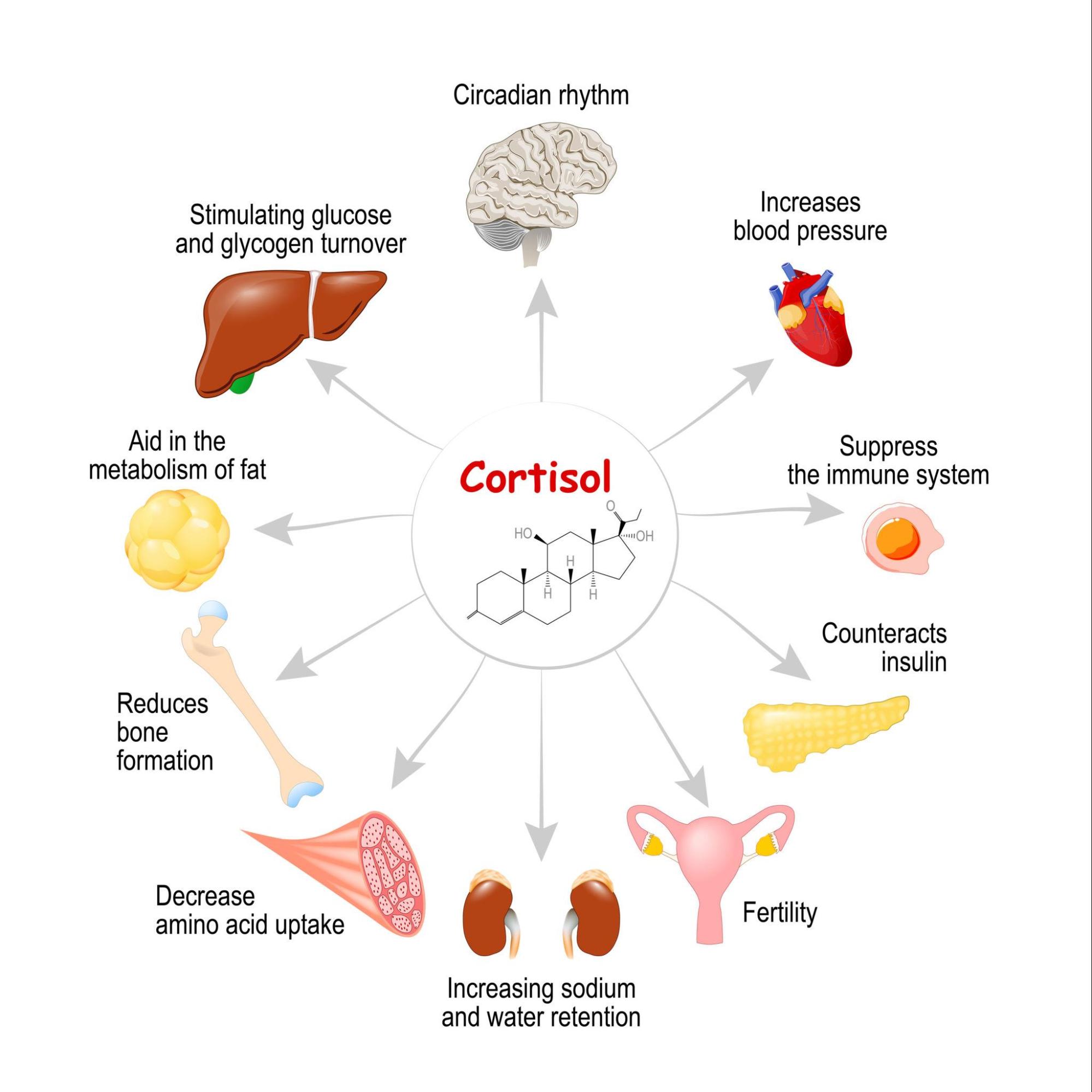
Cortisol is a hormone produced by the adrenal glands.
It helps your body:
- Respond to stress
- Control blood sugar
- Regulate metabolism
- Manage inflammation
- Maintain energy levels
Short-Term Stress:
Cortisol is helpful in emergencies.
Chronic Stress:
Constant high cortisol becomes harmful. Modern lifestyles keep many people in a continuous stress cycle.
How Stress Leads to Weight Gain

Stress affects the body in multiple ways.
-
Increased Cravings
Elevated cortisol levels due to stress can trigger increased cravings for:- Sugary foods
- Fast foods
- High-calorie snacks
Your body seeks “quick energy” through these cravings.
-
Emotional Eating
Stress can lead to eating for comfort, even when not physically hungry.
This can cause a cycle: Stress → Cravings → Overeating → Weight Gain -
Slower Metabolism
Ongoing stress may slow down your metabolism and disrupt energy balance, making weight management more difficult. -
Poor Sleep
Stress is a common cause of reduced sleep quality.
Lack of quality sleep can further:- Increase hunger hormones
- Boost fat storage
- Enhance cravings
Sleep and stress have a two-way relationship.
Why Belly Fat Increases Specifically

One major effect of cortisol is increased fat storage around the abdomen. Why? The body stores fat differently under stress.
- High cortisol is linked with:
- Increased visceral fat
- Abdominal weight gain
- “Stress belly” appearance
Visceral fat surrounds internal organs and may affect long-term health.
Signs Your Weight Gain May Be Stress-Related

Common Signs:
- Weight gain around the stomach
- Constant fatigue
- Emotional eating
- Poor sleep
- Brain fog
- Increased anxiety
If these symptoms appear together, stress may be a contributing factor.
Lifestyle Habits That Increase Cortisol
- Poor Sleep – Less recovery = more cortisol.
- Excess Screen Time – Constant stimulation increases stress.
- Overworking – Mental overload affects hormones.
- High Sugar & Processed Foods – Can worsen energy crashes and cravings.
- Lack of Physical Activity – Movement helps regulate stress hormones.
How to Lower Cortisol Naturally

-
Improve Sleep Quality
- Aim for 7–9 hours of sleep
- Consistent sleep schedule
Sleep is one of the most powerful cortisol regulators.
-
Exercise Regularly
- Moderate activity helps: reduce stress, improve mood, support metabolism
- Best Options: Walking, Yoga, Strength training
-
Eat Balanced Meals
- Focus on: Protein, Fiber, Healthy fats, Whole foods
- Avoid excessive processed foods.
-
Practice Stress Management
- Meditation
- Deep breathing
- Journaling
- Nature walks
-
Reduce Stimulant Overload
- Too much caffeine
- Social media
- Constant notifications
- …can increase stress levels.
Foods That May Support Cortisol Balance
- Leafy greens
- Nuts and seeds
- Fatty fish
- Dark chocolate (moderation)
- Yogurt and fermented foods
Nutrient-rich foods support hormone balance.
Can You Lose Stress Belly Fat?
Yes—but extreme dieting is usually not the answer.
The Best Approach:
- Reduce stress
- Improve sleep
- Eat balanced meals
- Stay active consistently
Sustainable lifestyle changes work better than crash diets.
Common Mistakes to Avoid
- Overtraining: Too much intense exercise may increase cortisol further.
- Skipping Meals: Can worsen cravings and energy crashes.
- Ignoring Mental Health: Weight gain is not always just about calories.
- Expecting Instant Results: Hormonal balance takes time.
Modern Wellness is About Balance
In 2026, health experts increasingly recognize that:
Mental health and physical health are deeply connected.
Stress management is now considered an important part of:
- Weight management
- Fitness
- Overall wellness
Final Thoughts
Cortisol itself is not “bad.” The problem is chronic, unmanaged stress.
Understanding the stress-belly connection can help you:
- Stop blaming yourself
- Focus on sustainable habits
- Improve both mental and physical health
Conclusion
Stress and cortisol can strongly influence weight gain—especially around the belly area.
The solution is not extreme dieting. It’s building healthier habits that support:
- Better sleep
- Balanced nutrition
- Stress reduction
- Long-term wellness
Take care of your mind, and your body often follows.