Introduction: How Personalized Nutrition Is Changing Diets in 2026
For decades, nutrition advice followed a relatively universal approach.
People were encouraged to follow broad dietary guidelines based on calorie intake, food groups, and
generalized health recommendations.
While these approaches helped many individuals improve their eating habits, they often failed to explain a
common frustration:
Why do some diets work extremely well for certain people while producing minimal results for others?
In 2026, advances in biotechnology, genetic analysis, microbiome science, and artificial intelligence are
beginning to answer that question.
A growing field known as personalized nutrition is reshaping how individuals approach:
- Food choices
- Metabolism
- Weight management
- Energy levels
- Long-term health
The idea is simple but powerful:
Nutrition may work better when tailored to the unique biology of each person.
What Is Personalized Nutrition?
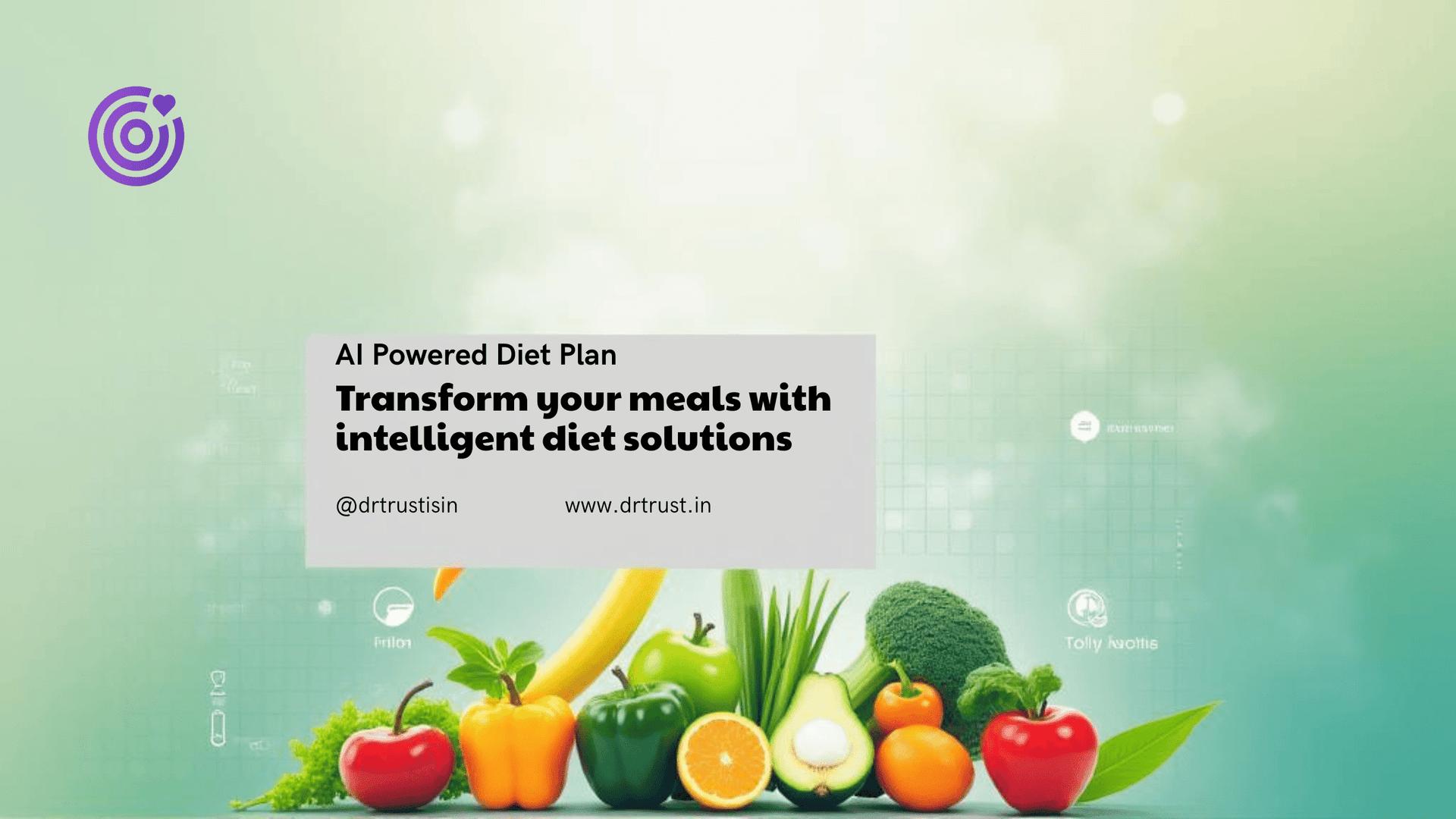
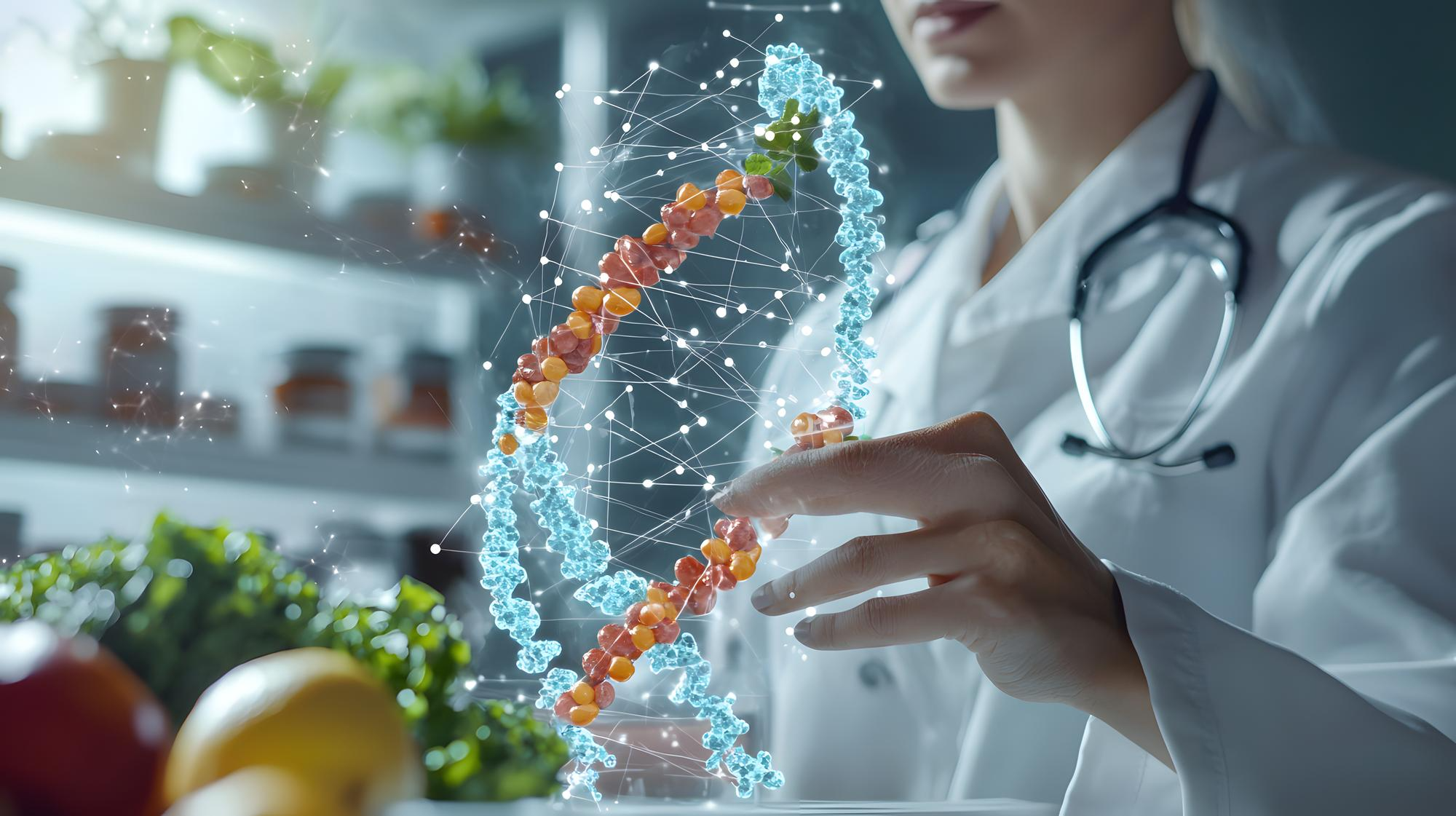
Personalized nutrition refers to dietary recommendations customized to an individual’s biological and
lifestyle characteristics.
These may include:
- Genetic data
- Gut microbiome composition
- Blood biomarkers
- Activity levels
- Sleep patterns
- Food sensitivities
- Metabolic responses
- Health goals
Rather than applying the same nutritional strategy to everyone, personalized nutrition aims to understand how
different bodies respond uniquely to:
- Carbohydrates
- Fats
- Protein
- Fiber
- Caffeine
- Sugar
- Exercise
- Meal timing
Technology is making this approach increasingly accessible.
How DNA Testing Influences Nutrition

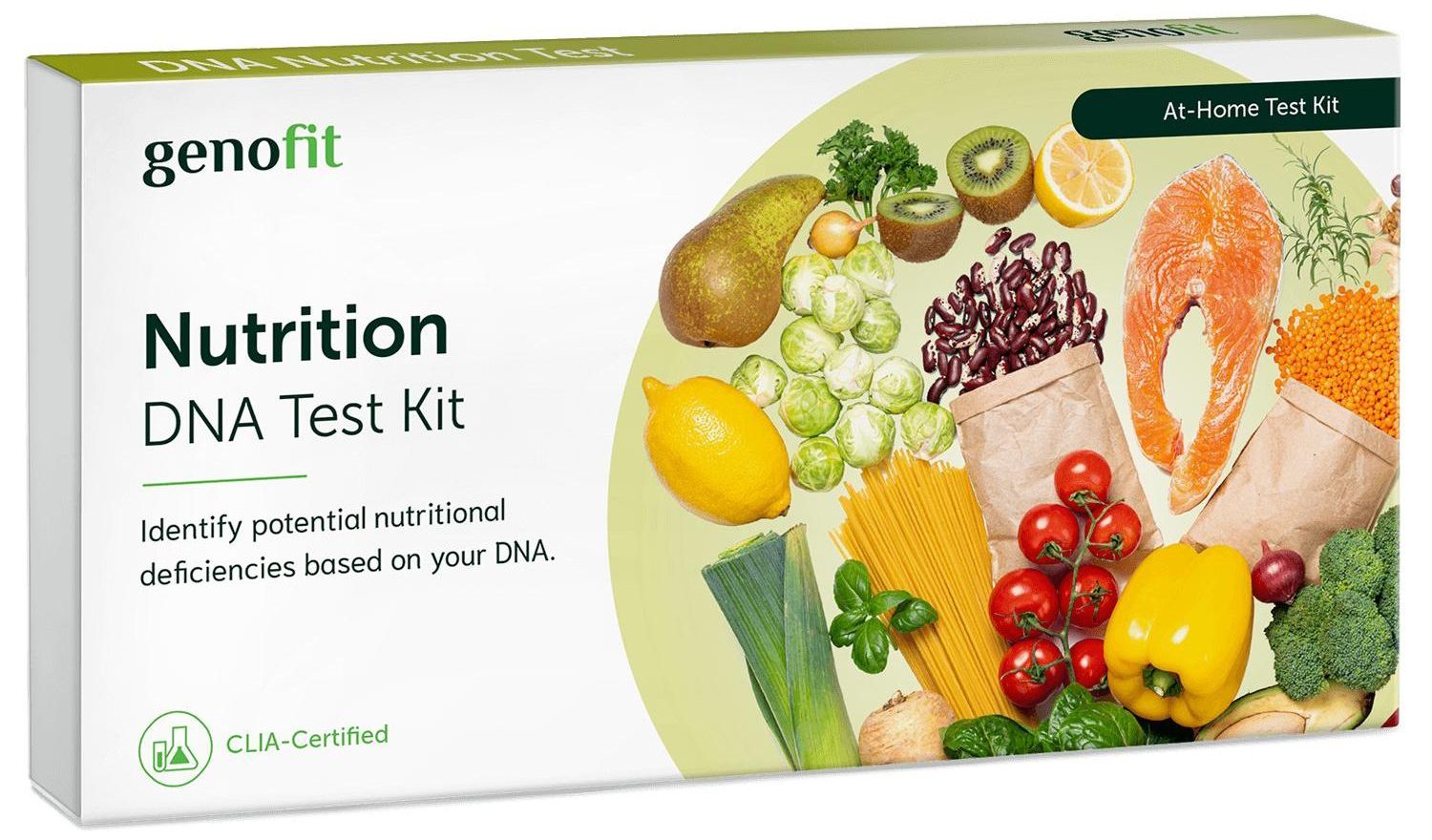
DNA testing companies analyze specific genetic markers linked to metabolism, nutrient processing, and
physiological tendencies.
Some tests claim to provide insight into:
- Lactose tolerance
- Caffeine sensitivity
- Carbohydrate metabolism
- Fat metabolism
- Vitamin absorption
- Athletic recovery
- Appetite regulation
For example, certain genetic variations may influence how efficiently individuals process:
- Caffeine
- Omega-3 fatty acids
- Vitamin D
- Sodium
- Alcohol
Genetics can provide useful insights, but they are only one part of the overall health picture.
Lifestyle, sleep, stress, physical activity, and food quality still play major roles in long-term health
outcomes.
The Gut Microbiome Revolution
One of the biggest developments in modern nutrition science involves the human gut microbiome.
The gut microbiome refers to the trillions of microorganisms living in the digestive system.
Researchers increasingly believe these microbes influence:
- Digestion
- Immune function
- Inflammation
- Mood
- Metabolism
- Blood sugar regulation
- Weight management
Different individuals possess dramatically different microbiome compositions.
This may help explain why people respond differently to identical foods.
Some gut testing companies analyze microbiome samples to provide personalized dietary recommendations based
on bacterial diversity and digestive patterns.
Why Gut Health Is Receiving So Much Attention
Scientific interest in gut health has expanded rapidly because the digestive system appears closely connected
to many aspects of human health.
Emerging research suggests potential links between gut microbiome balance and:
- Obesity
- Type 2 diabetes
- Mental health
- Immune disorders
- Chronic inflammation
- Cardiovascular health
This has fueled global interest in:
- Probiotics
- Prebiotics
- Fermented foods
- Fiber-rich diets
- Personalized gut testing
Consumers increasingly view gut health as foundational to overall wellness.
AI and Wearables Are Accelerating Precision Nutrition
Artificial intelligence is becoming a major driver of personalized nutrition systems.
Modern health platforms now combine:
- DNA data
- Microbiome analysis
- Blood glucose tracking
- Fitness metrics
- Sleep data
- Dietary habits
to generate real-time nutrition insights.
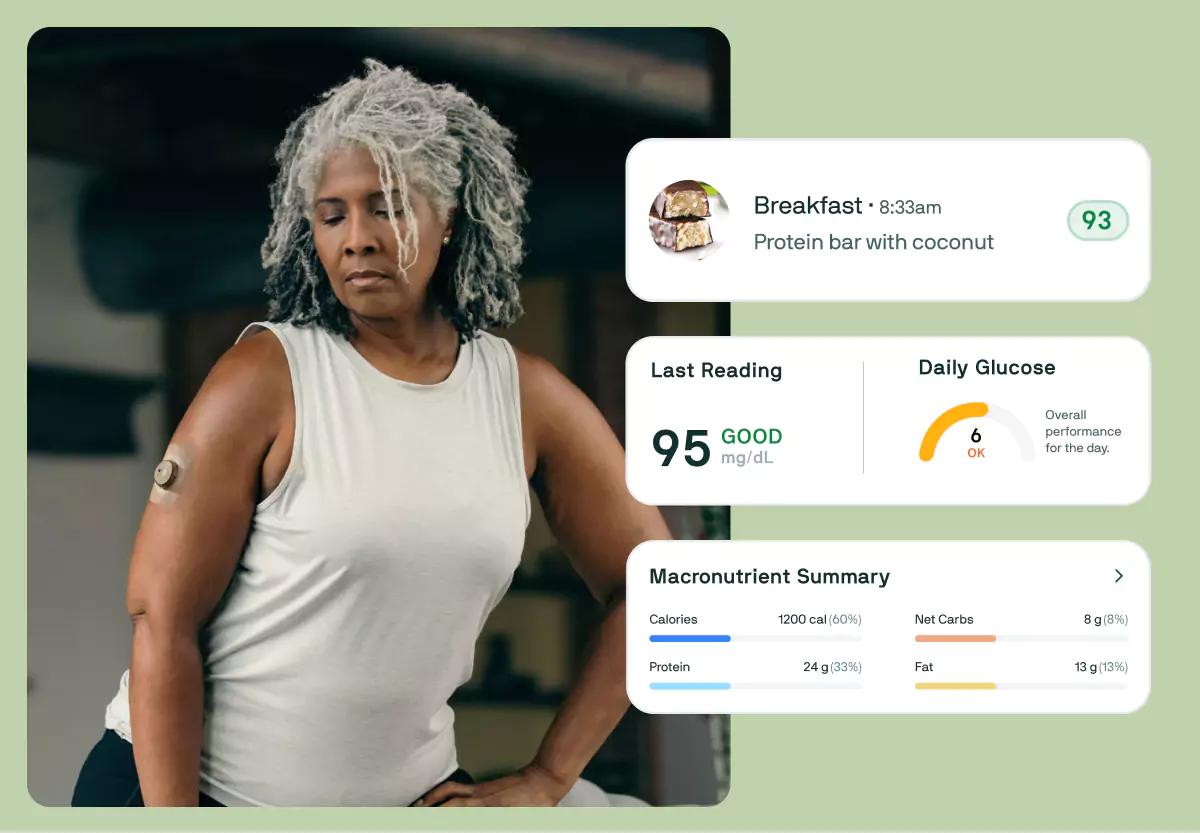
Wearable devices and continuous glucose monitors allow users to observe how their bodies respond to:
- Specific foods
- Exercise
- Stress
- Sleep disruption
AI systems can identify patterns and recommend highly personalized dietary adjustments.
The Shift Away From “One-Size-Fits-All” Dieting
Traditional dieting trends often promoted universal approaches such as:
- Low-carb diets
- Low-fat diets
- Keto
- Vegan
- Paleo
- Intermittent fasting
While these methods help some individuals, personalized nutrition suggests there may not be one ideal diet
for everyone.
Successful nutrition may depend on individual biology, lifestyle compatibility, metabolic response, and
sustainability.
Potential Benefits of Personalized Nutrition
Advocates believe personalized nutrition may help individuals:
- Improve metabolic health
- Manage weight more effectively
- Optimize energy levels
- Improve digestion
- Enhance athletic performance
- Reduce inflammation
- Build sustainable eating habits
Some healthcare professionals also see potential for:
- Early disease prevention
- Improved diabetes management
- Better cardiovascular health
- More precise clinical nutrition interventions
Important Limitations and Concerns
Scientific Complexity
Human biology is extremely complex.
Scientists still do not fully understand:
- Long-term microbiome behavior
- Genetic interactions
- Nutrient response variability
Data Privacy Concerns
DNA and health data are highly sensitive.
Consumers increasingly question:
- Who owns genetic data?
- How is it stored?
- Could it be shared with third parties?
- How secure are health platforms?
Cost and Accessibility
Advanced testing and personalized nutrition platforms can be expensive, creating accessibility concerns.
What Experts Still Recommend Universally

Even as personalized nutrition evolves, many foundational health principles remain widely supported:
- Eat more whole foods
- Increase fiber intake
- Limit ultra-processed foods
- Stay physically active
- Prioritize sleep
- Manage stress
- Maintain hydration
Technology may personalize nutrition further, but basic health habits still matter enormously.
The Future of Nutrition and Healthcare
Personalized nutrition may eventually become integrated into mainstream healthcare systems.
Future possibilities include:
- AI-powered meal planning
- Real-time metabolic feedback
- Personalized supplement recommendations
- Precision obesity treatment
- Individualized disease prevention
Healthcare providers may increasingly use biological data to guide preventive health strategies rather than
waiting for disease symptoms to appear.

Final Thoughts
Personalized nutrition represents one of the most significant shifts in modern health and wellness.
DNA testing, gut microbiome analysis, AI-driven insights, and wearable health technologies are changing how
people understand food, metabolism, and long-term health optimization.
While the science continues evolving, one idea is becoming increasingly clear:
Individuals may respond to nutrition far more differently than traditional diet models once assumed.
At the same time, consumers should approach personalized nutrition with balanced expectations and
evidence-based thinking.
Conclusion
The future of nutrition is becoming more data-driven, individualized, and technologically advanced.
However, long-term health will still depend on:
- Sustainable habits
- Medical guidance
- Lifestyle consistency
- Evidence-based health practices
Technology can guide healthier choices, but lasting wellness is still built through daily habits and
informed decisions.