
GLP-1 weight loss drugs have transformed the global conversation around obesity and metabolic health.
Medications such as Ozempic, Wegovy, Mounjaro, and Zepbound are now widely used for weight management and
diabetes treatment worldwide.
For many people, these medications have delivered significant health improvements:
- Weight reduction
- Better blood sugar control
- Reduced appetite
- Improved metabolic markers
But alongside the success stories, growing attention is being paid to less-discussed side
effects-particularly changes in facial appearance, lean muscle loss, and body composition shifts.
The reality is more complicated than sensational headlines suggest.
Many of these changes are not caused directly by the medication itself, but rather by the speed and magnitude
of weight loss these drugs can produce.
Still, the physical and emotional effects can be significant for some patients.
What Is “Ozempic Face”?
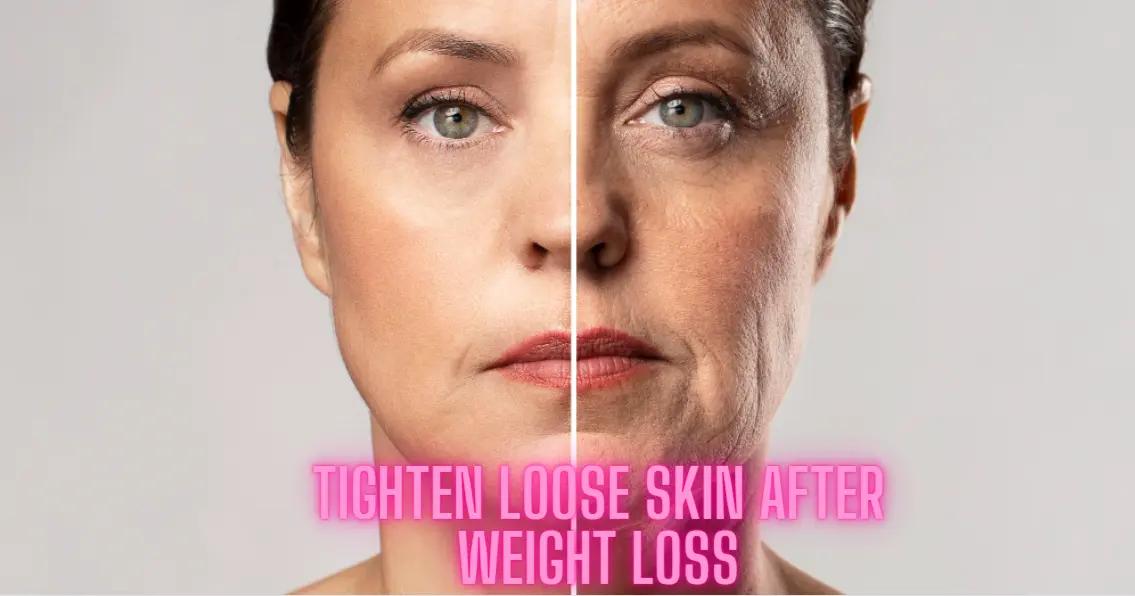
“Ozempic face” is an informal term used to describe facial changes that can occur after rapid weight loss
associated with GLP-1 medications.
Common Features May Include:
- Hollow or sunken cheeks
- More visible wrinkles
- Loose or sagging skin
- Thinner facial appearance
- More pronounced jawlines or temples
Experts emphasize that this is not unique to Ozempic specifically.
Similar facial changes can happen after:
- Bariatric surgery
- Crash dieting
- Major calorie restriction
- Any rapid fat-loss process
Why Facial Changes Happen
Facial appearance is strongly influenced by fat distribution beneath the skin.
As people lose significant amounts of body fat rapidly:
- Facial fat pads shrink
- Skin elasticity may decrease
- Existing aging changes become more visible
This can create a more aged or gaunt appearance, especially in:
- Older adults
- Individuals with lower baseline facial fat
- People losing weight very quickly
Rapid weight loss may also reduce collagen and elastin support in the skin, making sagging more noticeable.
Importantly, these cosmetic changes do not necessarily indicate medical danger-but
they can still affect self-image and emotional well-being.
The Muscle Loss Concern
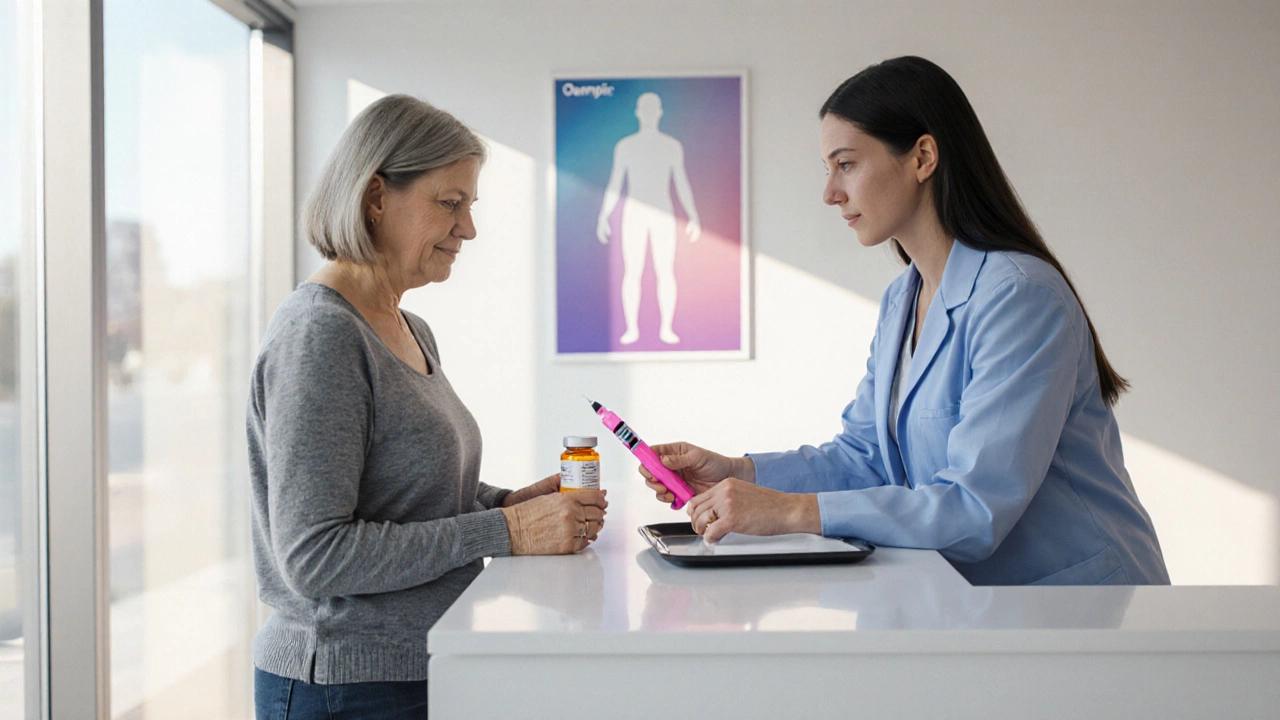
Another growing concern involves loss of lean mass during GLP-1-related weight reduction.
When people lose weight-especially rapidly-the body often loses:
- Fat mass
- Water weight
- Some muscle tissue
Researchers continue to debate how much lean mass may be lost during treatment with GLP-1 medications.
Recent studies suggest some of the “lean mass” reduction previously assumed to be muscle may partly reflect:
- Reduced liver fat
- Organ size changes
- Water shifts
Still, muscle preservation remains an important issue-especially for:
- Older adults
- Individuals already low in muscle mass
- Patients losing weight very quickly
Why Muscle Matters So Much
Muscle is not just about appearance or athletic performance.
Healthy muscle mass supports:
- Metabolism
- Strength
- Mobility
- Bone protection
- Blood sugar regulation
- Long-term independence
Excessive muscle loss may contribute to:
- Weakness
- Fatigue
- Reduced mobility
- Increased frailty risk
- Slower recovery
Is the Medication Itself Damaging Muscle?
Current evidence suggests GLP-1 medications are not directly destroying muscle tissue.
Instead, muscle loss appears more closely linked to:
- Rapid calorie reduction
- Decreased food intake
- Insufficient protein intake
- Lack of resistance training
- Overall weight-loss speed
Losing some muscle during weight reduction is common regardless of the method used.
Researchers are still studying:
- Long-term body composition effects
- Muscle function changes
- Strength preservation
- Risks in older adults
Other Side Effects People Often Overlook

While nausea and digestive symptoms are widely discussed, some additional side effects receive less public
attention.
Potential Issues May Include:
- Fatigue
- Constipation
- Dehydration
- Gallbladder problems
- Delayed stomach emptying (gastroparesis)
- Reduced appetite leading to undernutrition
Most gastrointestinal side effects are manageable, but severe or persistent
symptoms should always be evaluated medically.
The Social Media Problem
Social media has intensified public perception of GLP-1 side effects.
Celebrity culture and before-and-after transformations often create unrealistic expectations around:
- Rapid weight loss
- Body image
- Facial appearance
- “Perfect” outcomes
At the same time, online discussions sometimes exaggerate risks without proper medical context.
Responses vary significantly depending on:
- Age
- Genetics
- Starting body composition
- Nutrition
- Exercise habits
- Medication dosing
- Overall health
How to Reduce the Risk of Muscle Loss
-
Prioritize Protein Intake
Adequate protein supports muscle maintenance during calorie reduction. -
Strength Training Matters
Resistance exercise is one of the most effective ways to preserve lean mass. -
Avoid Excessively Rapid Weight Loss
Slower, sustainable weight reduction may reduce facial gauntness, loose skin, and muscle loss risk. -
Stay Hydrated
Hydration supports muscle function and recovery. -
Work With Qualified Professionals
Medical supervision can help monitor nutrition, muscle preservation, metabolic health, and side effects.
Why Expectations Need to Change

One of the biggest misconceptions surrounding GLP-1 drugs is the idea that weight loss alone automatically
equals optimal health.
Body composition matters.
Someone may lose significant weight while still needing to:
- Rebuild muscle
- Improve nutrition
- Support metabolic health
- Maintain long-term habits
The Future of GLP-1 Medicine
Pharmaceutical companies are already researching:
- Muscle-preserving obesity drugs
- Combination therapies
- Improved body composition treatments
Researchers are also studying how exercise, nutrition, and targeted therapies can improve long-term outcomes
during GLP-1 treatment.
Final Thoughts
GLP-1 medications are changing obesity treatment and metabolic medicine in profound ways.
For many individuals, these medications provide meaningful health benefits and life-changing results.
At the same time, side effects such as:
- Facial volume loss
- Loose skin
- Lean mass reduction
- Digestive issues
…deserve more honest discussion than they often receive online.
Conclusion
The healthiest approach to GLP-1 therapy involves:
- Medical supervision
- Realistic expectations
- Adequate nutrition
- Strength training
- Long-term lifestyle support
Sustainable health is not simply about losing weight quickly-it is about improving overall well-being while
protecting strength, function, and quality of life.