
Continuous Glucose Monitors for Non-Diabetics: Are They Worth It in 2026?
Wearable health technology has evolved rapidly over the past decade. Smartwatches track sleep, fitness bands monitor activity, and AI-powered health platforms provide personalized wellness insights.
Now, another device is moving beyond the medical world and into mainstream wellness:
The Continuous Glucose Monitor (CGM).
Originally developed for people with diabetes, CGMs are increasingly being used by athletes, biohackers, fitness enthusiasts, and health-conscious individuals seeking deeper insights into how their bodies respond to food, exercise, stress, and sleep.
But does someone without diabetes actually benefit from wearing a CGM?
Or is it simply another expensive health trend?
Continuous glucose monitors are transforming metabolic tracking, but understanding the data-and its limitations-is just as important as collecting it.
What Is a Continuous Glucose Monitor?

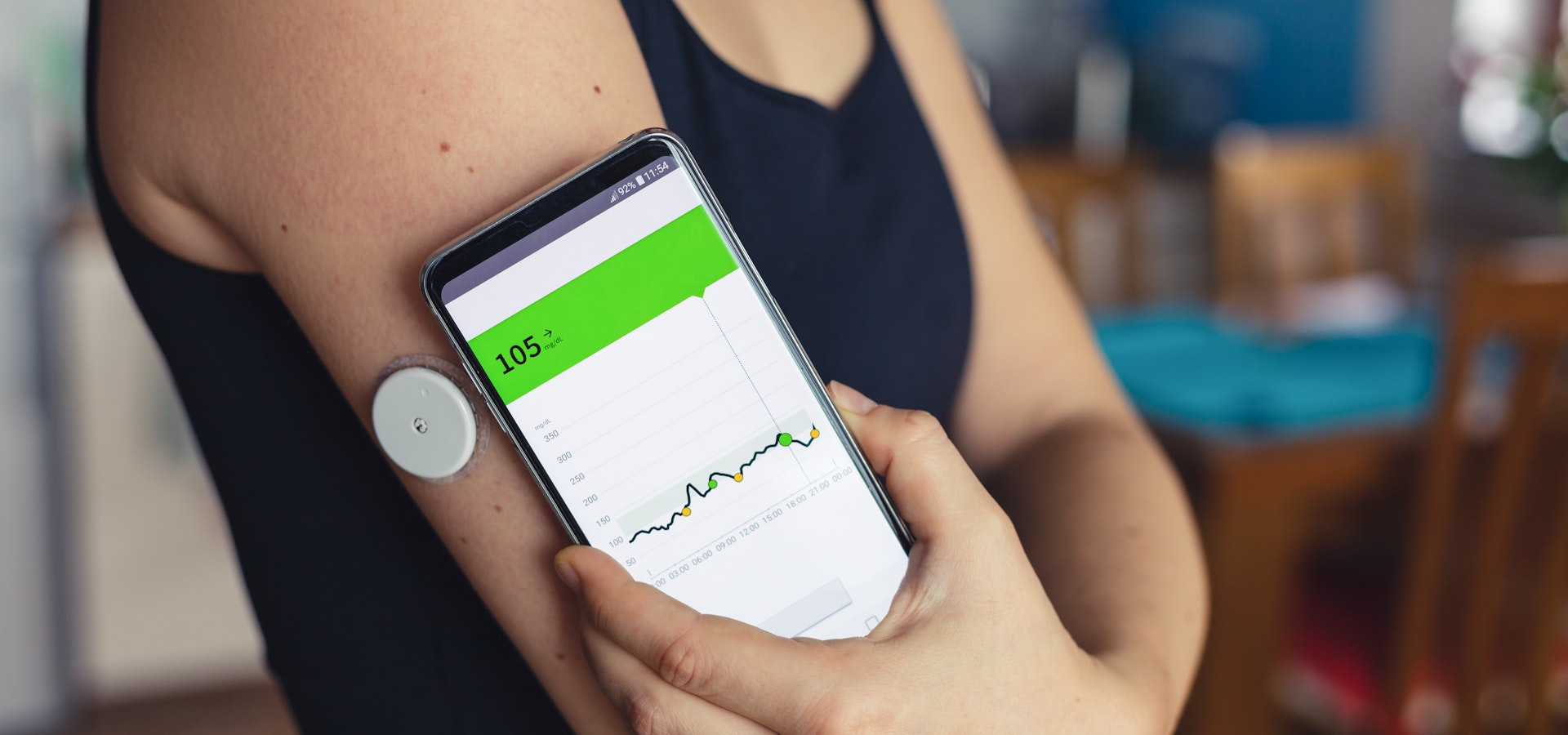
A CGM is a wearable device that continuously measures glucose levels in the fluid beneath the skin.
Unlike traditional finger-prick blood sugar tests, CGMs provide ongoing readings throughout the day and night.
Most CGM Systems Include:
- A small sensor attached to the skin
- A wireless transmitter
- A smartphone app or digital dashboard
Most devices update glucose readings every few minutes, giving users a detailed picture of how blood sugar changes over time.
Why Are Non-Diabetics Using CGMs?
Interest in metabolic health has grown significantly in recent years.
People increasingly want personalized insights into:
- Energy levels
- Weight management
- Exercise performance
- Sleep quality
- Long-term health optimization
CGMs provide real-time feedback that may reveal how daily habits influence glucose responses.
Users often experiment with:
- Different breakfast choices
- Meal timing
- Exercise sessions
- Stressful workdays
- Sleep patterns
Potential Benefits of CGMs for Non-Diabetics

1. Increased Awareness of Food Choices
Many users discover that different foods produce very different glucose responses-even when calorie content is similar.
A CGM can help evaluate:
- Refined carbohydrates
- High-fiber meals
- Protein-rich foods
- Mixed meals
- Sugary beverages
2. Understanding Personal Variability
Two people can eat the same meal and experience completely different glucose responses. CGMs highlight these individual differences.
3. Motivation for Healthier Habits
Real-time feedback often encourages greater consistency with:
- Exercise
- Meal planning
- Sleep routines
- Stress management
4. Athletic Performance Insights
Some athletes use CGMs to evaluate fueling strategies, recovery nutrition, endurance performance, and training responses.
What the Science Currently Says

The scientific community remains interested in how CGMs might support preventive health and personalized nutrition.
Current Research Highlights
- The strongest evidence supports CGM use for diabetes management.
- Research involving healthy adults is still evolving.
- Collecting more data does not automatically improve health outcomes.
- The value depends on how information is interpreted and applied.
Limitations of CGMs for Healthy Adults
Normal Glucose Changes Are Expected
Temporary increases after meals are completely normal and do not necessarily indicate poor health.
Data Can Be Misinterpreted
Without medical context, users may become unnecessarily concerned about normal physiological responses.
Cost Considerations
- Sensor replacements
- Subscription fees
- App memberships
- Health coaching services
Health Tracking Anxiety
Constant monitoring can become counterproductive if it leads to unnecessary stress or obsessive behavior.
The goal of health tracking should be better habits-not constant surveillance.
Who Might Benefit Most?
CGMs may provide meaningful insights for people who:
- Have prediabetes risk factors
- Are focused on weight management
- Want to optimize athletic performance
- Are interested in personalized nutrition
Who May Not Need One?
Many healthy individuals already maintain excellent metabolic health through:
- Balanced nutrition
- Regular exercise
- Quality sleep
- Routine medical care
For these individuals, a CGM may offer interesting information without significantly changing health outcomes.
CGMs and the Future of Preventive Health
Future health platforms may combine multiple streams of biometric data, including:
- Continuous glucose monitoring
- Sleep tracking
- Physical activity
- Heart rate variability
- Nutrition analysis
- AI-powered wellness recommendations
This integrated approach could make preventive healthcare increasingly personalized.
Questions to Ask Before Buying a CGM

- ✔ What specific health goal do I have?
- ✔ Will this information change my daily decisions?
- ✔ Am I prepared to interpret the data appropriately?
- ✔ Is the cost justified by the value?
- ✔ Would basic lifestyle improvements provide similar benefits?
Practical Alternatives for Improving Metabolic Health
Even without a CGM, these evidence-based habits remain the foundation of healthy glucose regulation:
- Regular physical activity
- High-fiber nutrition
- Adequate protein intake
- Quality sleep
- Stress management
- Maintaining a healthy body weight
These habits consistently provide the greatest long-term metabolic benefits.
Conclusion
Continuous glucose monitors are no longer limited to diabetes management. In 2026, they have become part of a broader movement toward personalized health and metabolic awareness.
For some non-diabetics, CGMs can provide useful insights into how food, exercise, stress, and sleep influence glucose patterns. For others, the information may be interesting but offer limited practical value.
The key is remembering that a CGM is a tool-not a solution.
The most meaningful improvements still come from consistent lifestyle habits, balanced nutrition, regular activity, quality sleep, stress management, and informed decision-making.
Technology can support healthier choices, but lasting metabolic health is built through everyday habits-not devices alone.