AI Health Coaches vs Real Dietitians: Who Should You Trust?
Artificial intelligence is rapidly transforming healthcare and wellness.
In 2026, millions of people worldwide now use AI-powered health apps for:
- Meal planning
- Calorie tracking
- Fitness coaching
- Habit monitoring
- Sleep analysis
- Personalized nutrition recommendations
- Weight management
AI health coaches have become increasingly sophisticated, offering instant feedback, data analysis, and personalized wellness suggestions at scale. Some apps can analyze eating habits, predict glucose responses, generate workout routines, and provide 24/7 conversational support.
But as AI health systems become more influential, an important question is emerging: Should people trust AI health coaches as much as real dietitians?
The answer is more nuanced than many technology companies or critics suggest.
AI can provide valuable support tools, but nutrition and health are deeply human, medically complex, and emotionally influenced areas where expertise, context, and empathy still matter enormously.
Why AI Health Coaching Is Growing So Quickly

Several factors are accelerating AI adoption in wellness and nutrition:
- Rising healthcare costs
- Global shortages of healthcare professionals
- Increased interest in personalized health
- Smartphone accessibility
- Wearable device adoption
- Demand for convenience
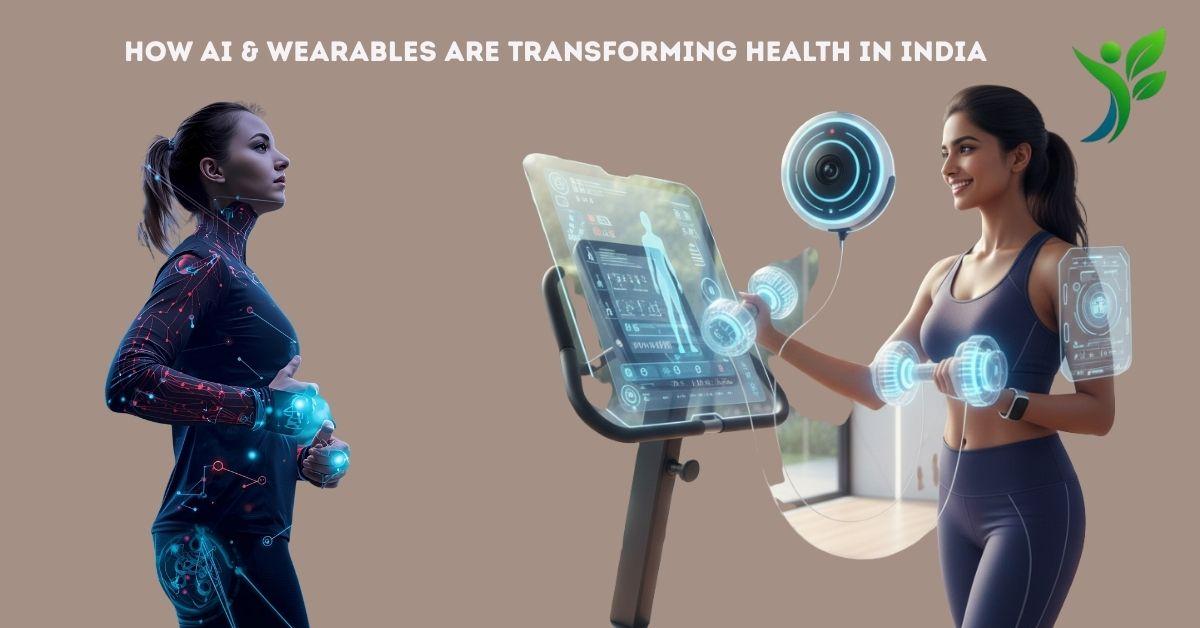
AI-powered health systems can now integrate data from:
- Smartwatches
- Fitness trackers
- Food logs
- Sleep monitors
- Continuous glucose monitors
- DNA tests
- Gut microbiome analysis
This allows apps to generate increasingly personalized recommendations.
Many users appreciate instant responses, lower costs, daily accountability, and continuous tracking.
What AI Health Coaches Do Well
1. Data Analysis
AI can process large amounts of health data quickly, identifying:
- Eating patterns
- Sleep trends
- Activity levels
- Habit consistency
- Behavioral correlations
This level of continuous monitoring is difficult for human professionals to provide manually.
2. Accessibility & Convenience
- Available 24/7
- Accessible globally
- Smartphone-based support
- Relatively low cost
3. Habit Tracking & Accountability
Many AI wellness apps help users:
- Track nutrition
- Monitor hydration
- Build routines
- Maintain consistency
4. Personalization at Scale
AI systems can adapt recommendations based on:
- User goals
- Preferences
- Biometrics
- Progress data
AI excels at organizing data, identifying patterns, and providing continuous wellness support.
Where AI Still Falls Short
1. Lack of Deep Clinical Judgment
Nutrition and health are rarely simple.
Human dietitians consider:
- Medical history
- Medications
- Emotional health
- Eating disorders
- Cultural factors
- Family dynamics
- Complex disease interactions
2. Emotional Intelligence & Empathy
Food is emotional, social, cultural, and psychological.
Real dietitians can:
- Build trust
- Understand emotional struggles
- Recognize disordered eating behaviors
- Adapt communication styles
- Provide encouragement sensitively
AI may simulate empathy conversationally, but it does not truly understand human emotional complexity.
3. Risk of Inaccurate Advice
AI systems depend heavily on:
- Data quality
- Algorithms
- Training information
Errors can occur when information is incomplete or health situations become medically complex.
Why Dietitians Still Matter
Registered dietitians and qualified nutrition professionals provide expertise grounded in:
- Clinical education
- Human assessment
- Medical understanding
- Evidence-based nutrition science
They are particularly important for individuals managing:
- Diabetes
- Digestive disorders
- Eating disorders
- Pregnancy nutrition
- Chronic disease
- Food allergies
- Pediatric nutrition
- Complex metabolic conditions
Human professionals can identify when symptoms require medical referrals, laboratory testing, mental health support, or broader healthcare evaluation.
The Mental Health and Eating Disorder Concern

One of the biggest concerns surrounding AI nutrition tools involves eating disorders and unhealthy food relationships.
Overly rigid tracking systems may unintentionally reinforce:
- Obsessive calorie monitoring
- Food anxiety
- Restrictive eating patterns
- Body image issues
Human professionals are often better equipped to recognize warning signs and adapt recommendations compassionately.
Many experts believe stronger safeguards are needed around mental health and disordered eating detection in AI wellness platforms.
Privacy and Data Security Questions
AI health coaching relies heavily on personal data.
Apps may collect:
- Biometric information
- Eating habits
- Sleep data
- Health conditions
- Emotional patterns
- Genetic data
Important Questions Include:
- Who owns health data?
- How securely is it stored?
- Can it be sold or shared?
- How transparent are companies?
Healthcare data is among the most sensitive information individuals possess.
The Best Approach May Be Hybrid Healthcare
Rather than replacing dietitians entirely, many experts believe AI works best as a supportive tool alongside human care.
Hybrid Healthcare Model
- AI tracking and analytics
- Human clinical judgment
- Personalized coaching
- Medical oversight
- Behavioral support
For example:
- AI may monitor patterns continuously
- Dietitians may interpret broader context
- Healthcare professionals may adjust treatment plans
This approach combines technological efficiency with human expertise.
Who Might Benefit Most From AI Health Coaches?
AI wellness tools may be useful for:
- General habit tracking
- Basic meal planning
- Fitness accountability
- Lifestyle awareness
- Healthy routine building
Particularly Helpful For:
- Busy professionals
- Fitness enthusiasts
- Individuals seeking structure
- Preventive wellness users
May Not Be Sufficient For:
- Serious medical conditions
- Complex nutrition needs
- Mental health concerns
- Eating disorders
- Advanced metabolic disease
The Commercialization Problem
Many AI wellness companies operate primarily as technology businesses rather than healthcare providers.
This may create incentives focused on:
- User engagement
- Subscription growth
- Data monetization
- Behavioral retention
Consumers should remain cautious of:
- Unrealistic health promises
- Extreme personalization claims
- “Miracle” wellness recommendations
- Unregulated supplement marketing
Technology sophistication does not automatically guarantee medical reliability.
The Future of AI in Nutrition and Healthcare
AI will likely continue playing a growing role in:
- Preventive health
- Personalized nutrition
- Chronic disease monitoring
- Habit formation
- Population-level wellness support
Future systems may become more accurate through:
- Better clinical integration
- Improved data quality
- Advanced biomarker analysis
- Stronger regulation
At the same time, many healthcare experts believe human-centered care will remain essential because health involves more than data optimization alone.

Final Thoughts
AI health coaches are transforming wellness by making nutrition and lifestyle guidance more accessible, personalized, and data-driven than ever before.
For many people, these tools can support:
- Better awareness
- Healthier habits
- Improved consistency
- More personalized wellness insights
However, AI systems still have major limitations involving:
- Clinical complexity
- Emotional intelligence
- Mental health understanding
- Medical judgment
- Human empathy
Conclusion
Real dietitians provide expertise and contextual understanding that algorithms cannot fully replicate.
The future of healthcare is unlikely to be entirely human or entirely AI-driven.
Instead, the most effective systems will probably combine:
- Technological efficiency
- Professional expertise
- Medical oversight
- Personalized support
- Human empathy
In 2026, the smartest approach may not be choosing between AI and real dietitians—but understanding where each one works best.