
Ayurvedic Superfoods Going Global: Ashwagandha, Moringa & Triphala
Ancient wellness traditions are experiencing a modern global revival.
In 2026, Ayurvedic ingredients, once primarily associated with traditional Indian medicine, are now appearing everywhere from luxury wellness cafés and functional beverages to supplements, skincare products, biohacking routines, and global health startups.
Among the most recognized Ayurvedic superfoods gaining international attention are:
- Ashwagandha
- Moringa
- Triphala
These ingredients are increasingly marketed for:
- Stress support
- Energy balance
- Gut health
- Immunity
- Recovery
- Longevity
- Cognitive wellness
The global wellness industry has embraced Ayurveda as consumers increasingly search for more natural, preventive, and holistic approaches to health.
At the same time, growing scientific interest in herbal medicine and plant-based compounds is bringing more research attention to traditional systems once dismissed by mainstream Western medicine.
However, the rising popularity of Ayurvedic superfoods also raises important questions:
- What does science actually support?
- Which claims are exaggerated?
- Are these ingredients safe for everyone?
- How should traditional medicine be integrated responsibly into modern wellness?
Understanding both the cultural roots and scientific evidence behind these ingredients matters more than ever.
What Is Ayurveda?
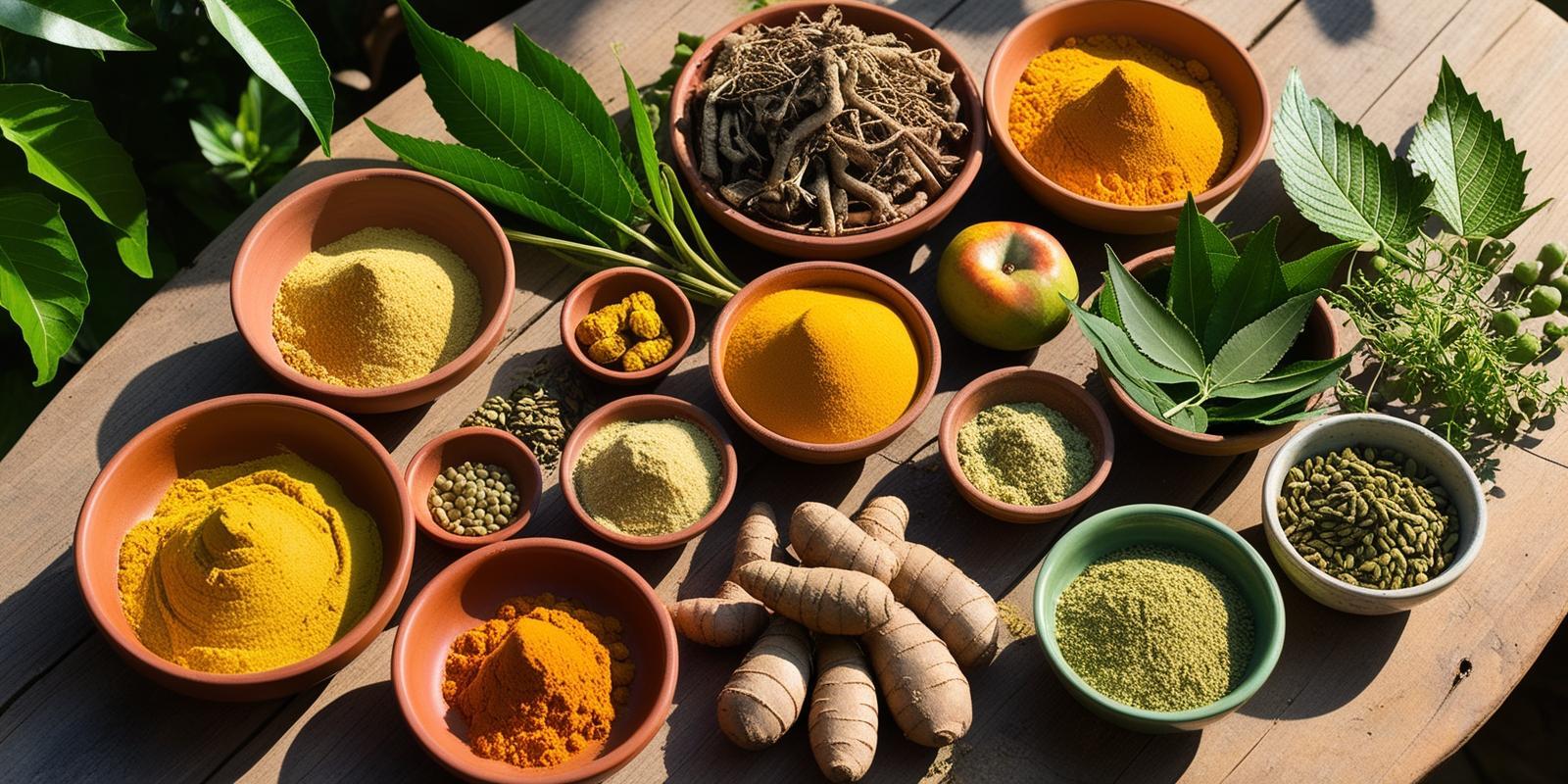
Ayurveda is one of the world’s oldest traditional medical systems, originating in India thousands of years ago.
The word Ayurveda roughly translates to:
The Science of Life
Traditional Ayurvedic philosophy emphasizes balance between:
- Body
- Mind
- Lifestyle
- Nutrition
- Environment
Ayurveda uses a combination of:
- Herbal preparations
- Dietary guidance
- Lifestyle practices
- Meditation
- Yoga
- Detoxification approaches
Modern scientific medicine differs significantly from Ayurvedic philosophy in methodology and evidence standards.
However, researchers increasingly study certain Ayurvedic herbs and compounds for potential therapeutic effects.
Why Ayurvedic Ingredients Are Becoming So Popular
Several trends are fueling global interest in Ayurvedic wellness:
- Rising stress levels
- Preventive health awareness
- Natural wellness trends
- Interest in adaptogens
- Plant-based lifestyles
- Holistic health approaches
Consumers increasingly seek alternatives or complements to:
- Highly processed wellness products
- Over-medicalized health solutions
- Synthetic supplements
Social media, influencer culture, and functional wellness brands have accelerated the popularity of Ayurvedic ingredients worldwide.
Wellness industries sometimes oversimplify or commercialize ancient traditions in ways that lose cultural and scientific nuance.
1. Ashwagandha: The Stress & Recovery Herb

Ashwagandha is perhaps the most internationally recognized Ayurvedic herb today.
Traditionally used in Ayurveda for vitality and resilience, it is now widely marketed as an adaptogen—a substance believed to help the body respond to stress.
Why People Use Ashwagandha
- Stress management
- Sleep support
- Anxiety reduction
- Athletic recovery
- Cognitive support
- Energy balance
Several studies suggest ashwagandha may help lower perceived stress and cortisol levels in some individuals.
What Science Says
Emerging research appears promising for:
- Stress resilience
- Sleep quality
- Anxiety symptom reduction
However:
- Long-term human evidence remains limited
- Supplement quality varies widely
- Dosages differ significantly between products
Important Safety Considerations
Ashwagandha may not be appropriate for everyone.
- Medication interactions
- Thyroid effects
- Digestive symptoms
- Pregnancy considerations
People with medical conditions should consult healthcare professionals before using herbal supplements regularly.
2. Moringa: The Nutrient-Dense “Miracle Tree”
Moringa has become increasingly popular in:
- Smoothies
- Powders
- Functional drinks
- Plant-based nutrition products
Sometimes called the “miracle tree,” moringa leaves are rich in:
- Vitamins
- Minerals
- Antioxidants
- Plant compounds
Why Moringa Is Popular
- Nutrient density
- Antioxidant support
- Energy support
- Inflammation management
- General wellness
In regions where malnutrition remains a concern, moringa has also been studied as a potentially valuable nutritional resource due to its micronutrient profile.
What Research Shows
Some research suggests moringa may support:
- Antioxidant activity
- Blood sugar regulation
- Nutritional supplementation
Like many superfoods, moringa is nutritious—but it is not magic. A balanced diet still matters far more than any single ingredient.
3. Triphala: The Traditional Gut Health Formula
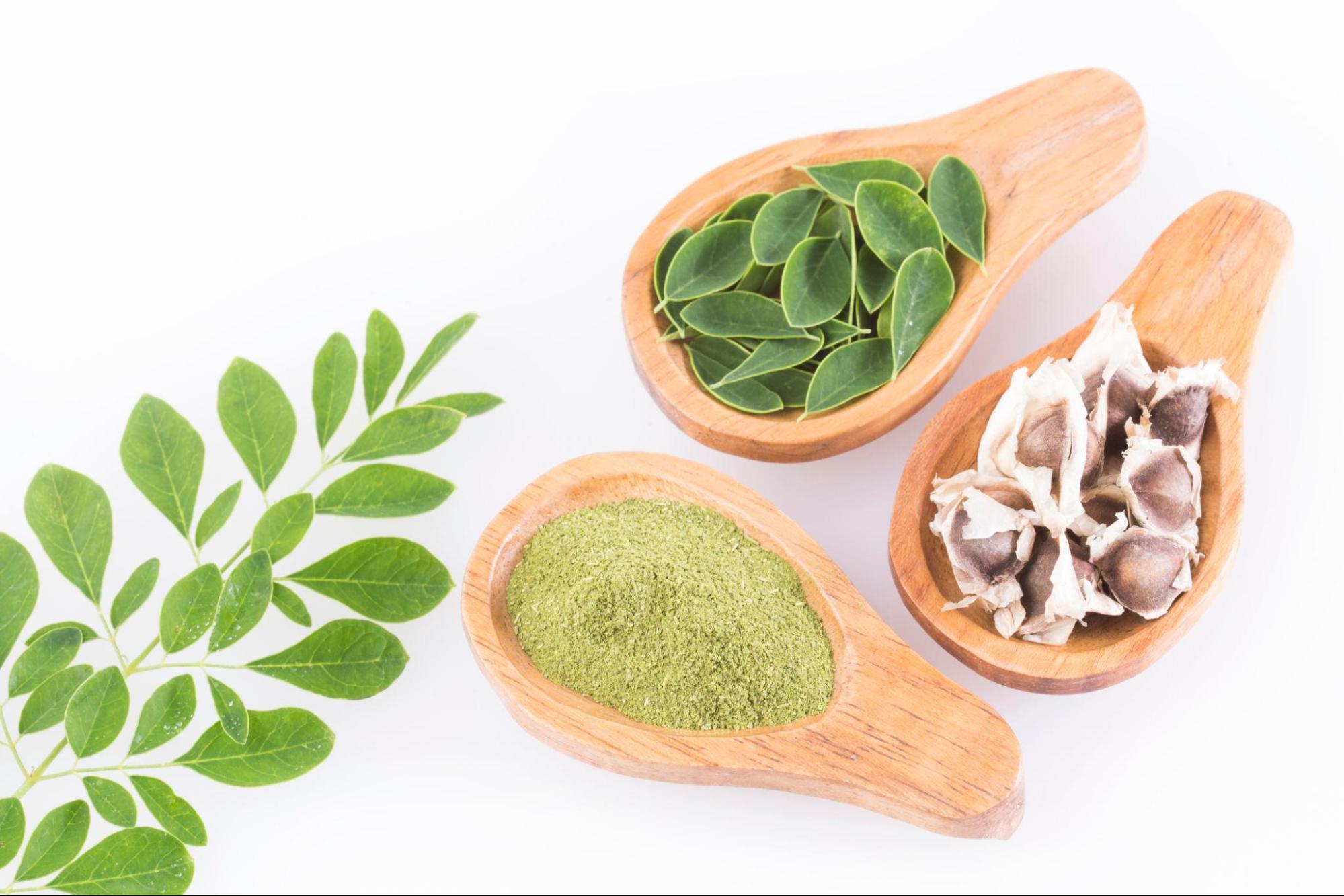
Triphala is a traditional Ayurvedic blend made from three fruits:
- Amla
- Bibhitaki
- Haritaki
Historically, triphala has been used for:
- Digestive support
- Detoxification
- Gut balance
- Regularity
Why Gut Health Interest Is Rising
Global interest in gut health has exploded due to growing research on:
- The microbiome
- Digestion
- Immunity
- Inflammation
- Gut-brain connections
What the Evidence Suggests
Some studies indicate triphala may support:
- Digestive function
- Mild bowel regularity
- Antioxidant activity
Consumers should remain cautious about exaggerated detox marketing claims often attached to herbal wellness products.
The Adaptogen and Functional Wellness Boom
Ashwagandha, moringa, and triphala are part of a much larger global movement toward:
- Functional nutrition
- Herbal adaptogens
- Integrative wellness
- Preventive health
Consumers increasingly seek products that promise:
- Stress support
- Energy optimization
- Cognitive enhancement
- Longevity benefits
This trend intersects heavily with:
- Biohacking culture
- Mental wellness
- Healthy aging
- Natural product demand
The Problem With “Superfood” Marketing

One challenge is that wellness marketing often exaggerates health claims.
Terms like:
- “Superfood”
- “Miracle herb”
- “Ancient secret”
can create unrealistic expectations.
No single ingredient can:
- Replace balanced nutrition
- Eliminate chronic stress
- Cure disease
- Reverse aging
Health outcomes remain heavily influenced by:
- Sleep
- Physical activity
- Overall diet
- Stress management
- Medical care
- Lifestyle consistency
Ayurvedic ingredients may support wellness, but they should not be viewed as shortcuts.
Quality and Regulation Matter
Herbal supplement quality varies significantly worldwide.
Potential concerns include:
- Contamination
- Heavy metals
- Mislabeling
- Inconsistent dosages
- Unverified claims
Consumers should prioritize:
- Reputable manufacturers
- Third-party testing
- Transparent sourcing
This is especially important because herbal products are not regulated equally across countries.
Cultural Appreciation vs Commercialization
As Ayurveda becomes more globalized, some critics argue wellness industries sometimes:
- Oversimplify ancient practices
- Remove cultural context
- Commercialize traditional medicine superficially
Respecting the origins and philosophy behind Ayurvedic traditions matters alongside scientific evaluation.
The healthiest approach likely combines cultural respect, evidence-based thinking, and balanced expectations.
The Future of Integrative Wellness

Researchers continue studying how traditional medicine and modern science may intersect more effectively.
Future healthcare models may increasingly combine:
- Preventive wellness
- Nutrition science
- Lifestyle medicine
- Evidence-supported herbal therapies
At the same time, stronger scientific standards and clinical research remain essential for distinguishing:
Promising therapies
from
Unsupported hype
Final Thoughts
Ayurvedic superfoods like Ashwagandha, Moringa, and Triphala are gaining global attention because they align with growing interest in:
- Preventive health
- Stress resilience
- Natural wellness
- Holistic living
Some research supports potential benefits in areas such as stress management, nutrition, antioxidant support, and digestive health.
However, many claims remain scientifically evolving rather than definitively proven.
The most balanced perspective is neither blind skepticism nor unquestioning hype.
These traditional ingredients may offer valuable support when used thoughtfully and responsibly—especially as part of broader healthy lifestyle practices.
Conclusion
Long-term wellness still depends far more on:
- Consistent habits
- Balanced nutrition
- Quality sleep
- Stress management
- Physical activity
- Evidence-based healthcare
Ancient traditions may contribute meaningful wisdom to modern health conversations, but sustainable well-being rarely comes from any single supplement or trend alone.
Integrating Ayurveda with modern science responsibly may help create a more balanced and preventive approach to wellness in the years ahead.