Introduction: Why Protein Supplements Are Everywhere in 2026
Protein supplements have become one of the biggest trends in health and fitness.
Today, you’ll see:
- Protein powders
- Protein bars
- Protein drinks
- High-protein snacks
marketed everywhere from gyms to supermarkets.
Social media often promotes protein as the “secret” to:
- Weight loss
- Muscle gain
- Better fitness
- Improved health
But here’s the important question:
Does everyone actually need protein supplements?
The answer is more complicated than marketing suggests.
This guide explains:
- What protein supplements are
- Who may benefit from them
- Common myths
- Risks and limitations
- How to choose wisely
What is Protein and Why Does the Body Need It?
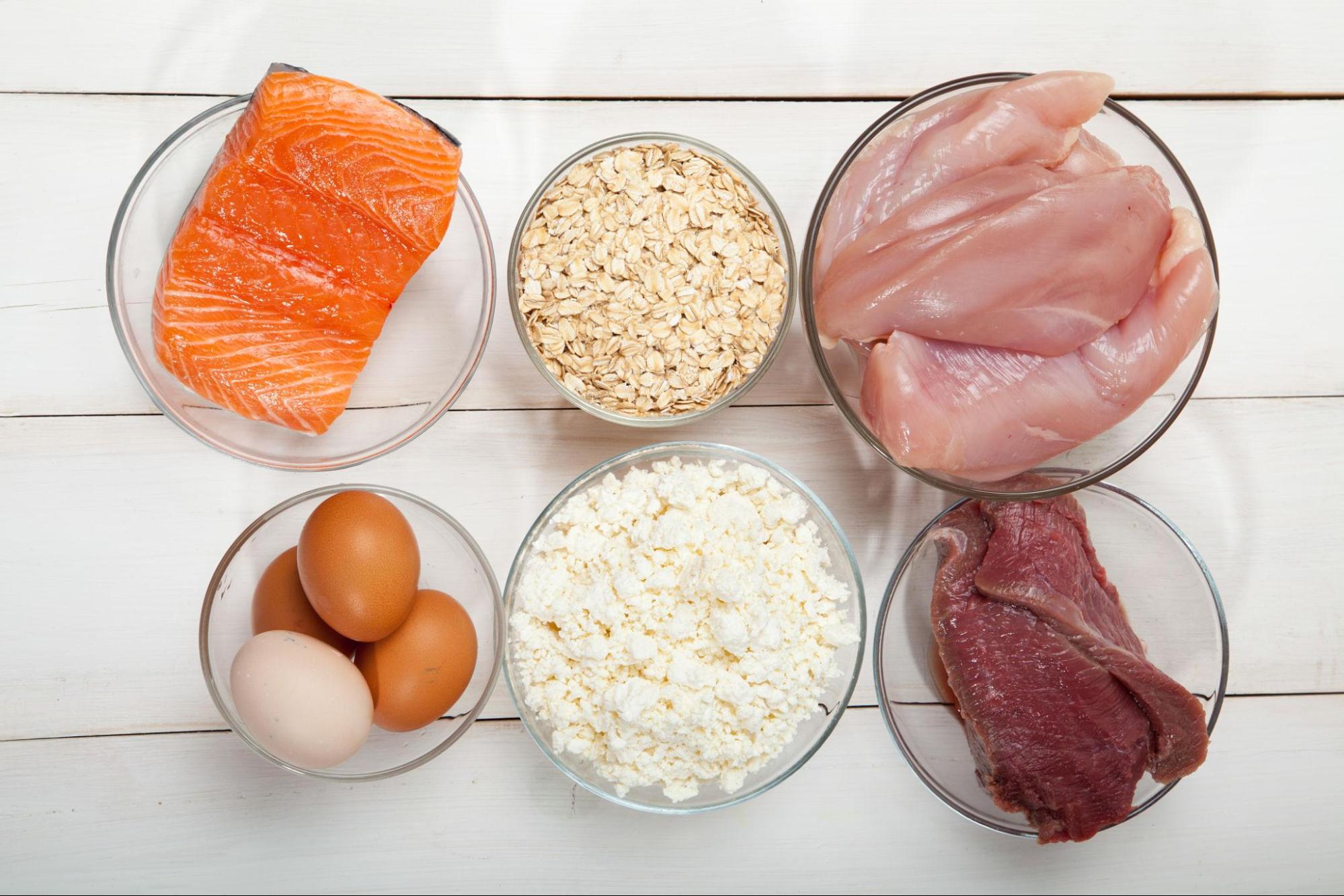
Protein is an essential nutrient that helps:
- Build and repair muscles
- Support hormones and enzymes
- Maintain skin, hair, and tissues
- Support recovery and immunity
The body uses amino acids from protein for many important functions.
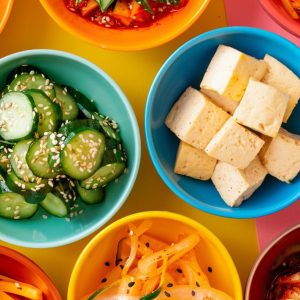
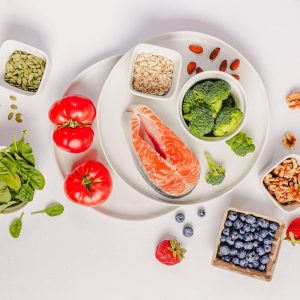
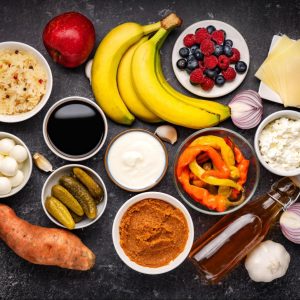
Common Protein Sources:
- Eggs
- Dairy products
- Lentils and beans
- Chicken and fish
- Nuts and seeds
Protein is important—but more is not always better.
What Are Protein Supplements?
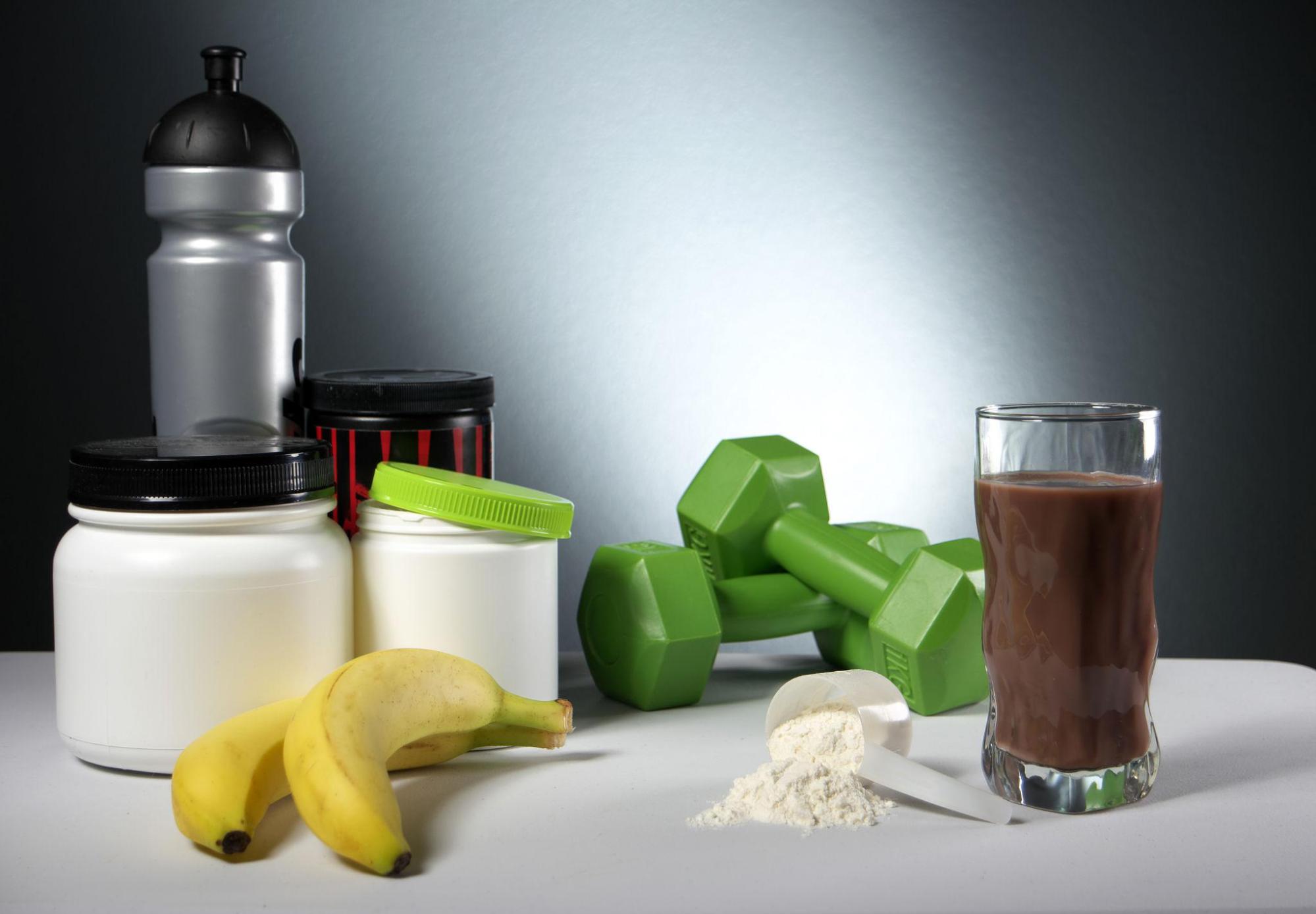
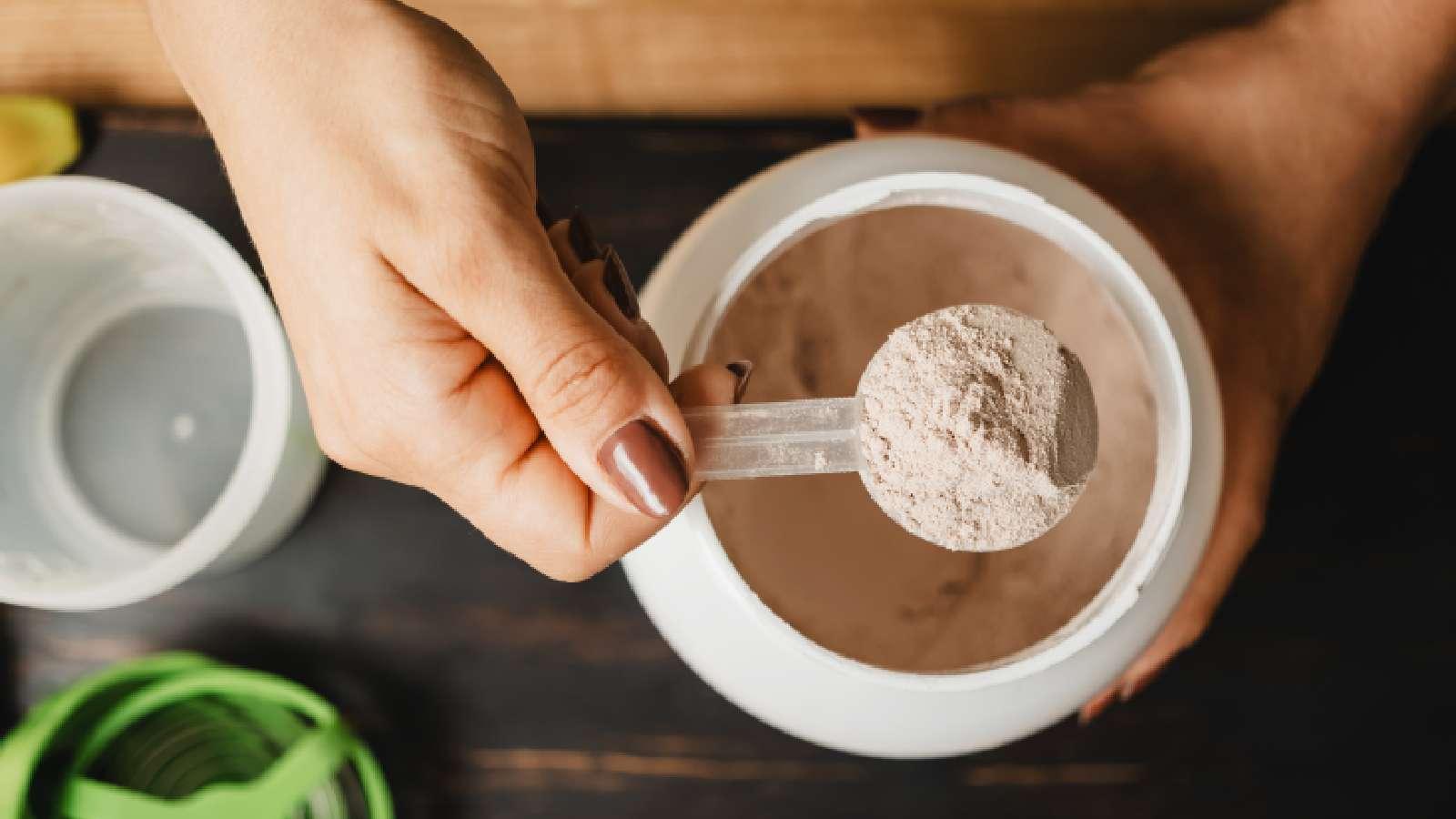
Protein supplements are concentrated protein products designed to increase protein intake conveniently.
Common Types:
- Whey protein
- Plant-based protein
- Casein protein
- Soy protein
- Pea protein
They are usually available as:
- Powders
- Ready-to-drink shakes
- Protein bars
Supplements are meant to supplement—not replace balanced meals.
Do Most People Need Protein Supplements?

For many healthy individuals:
A balanced diet may already provide enough protein.
People who regularly consume:
- Dal and legumes
- Dairy
- Eggs
- Paneer
- Chicken or fish
may meet their needs through food alone.
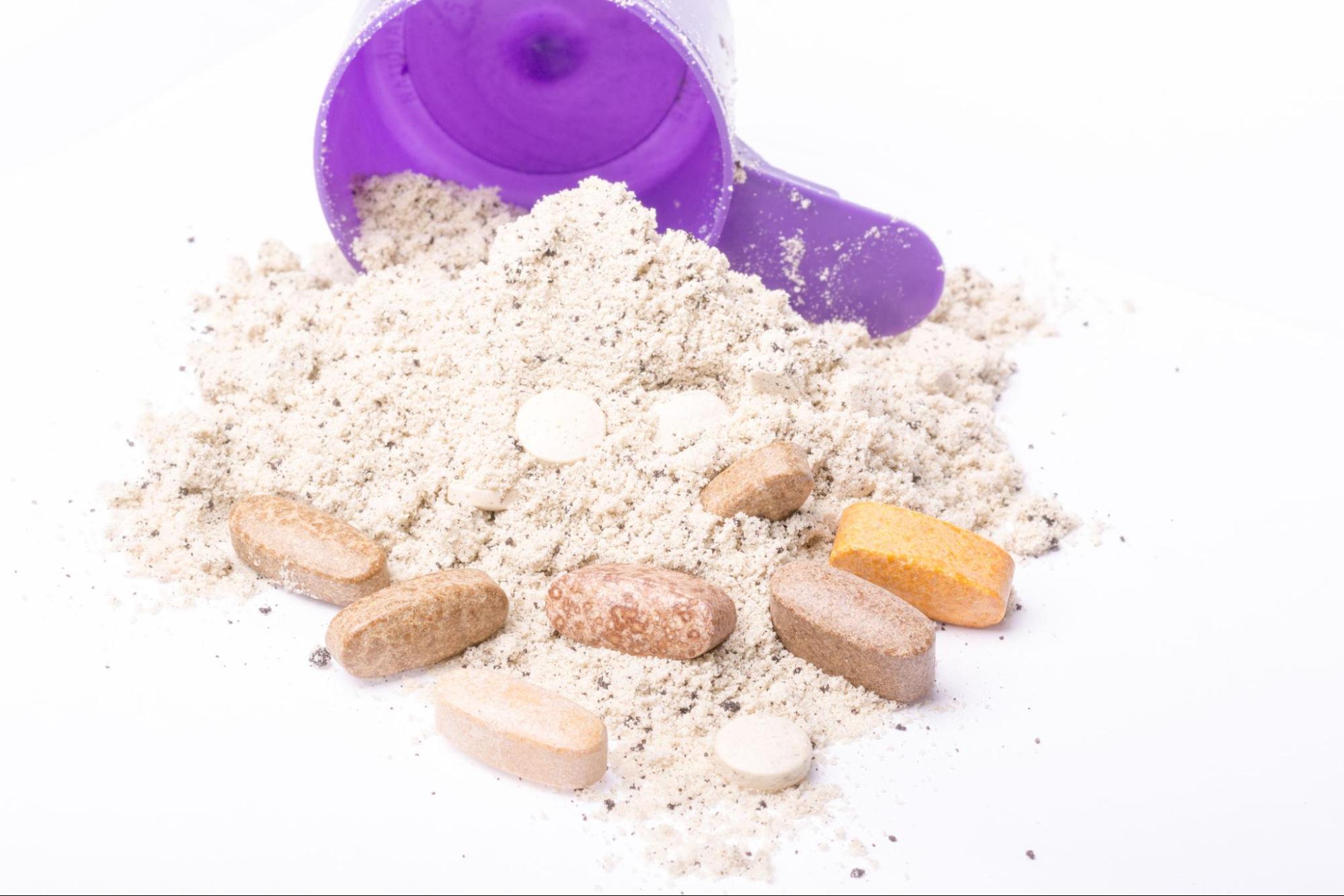
However, some people may benefit from supplements.
Who May Benefit From Protein Supplements?
-
Athletes & Gym-Goers
People doing:- Strength training
- Intense exercise
- Sports training
May require higher protein intake for recovery and muscle repair.
-
Busy Professionals
Some people struggle to prepare balanced meals regularly.
Protein supplements can be a convenient option during busy schedules. -
Vegetarians with Low Protein Intake
Some vegetarian diets may lack sufficient protein variety.
Supplements may help fill nutritional gaps when needed. -
Older Adults
Aging naturally reduces muscle mass.
Adequate protein may help support healthy aging and mobility. -
Recovery Situations
Certain medical or recovery situations may increase protein requirements.
Professional guidance is important here.
Common Myths About Protein Supplements

-
Myth 1: Everyone Needs Protein Powder
False. Many people can meet their protein needs through food. -
Myth 2: More Protein Means More Muscle
Muscle growth also depends on:- Training
- Sleep
- Recovery
- Overall nutrition
-
Myth 3: Protein Supplements Replace Healthy Meals
Supplements should not replace balanced diets regularly. -
Myth 4: All Protein Supplements Are Healthy
Some products contain:- Excess sugar
- Artificial additives
- Poor-quality ingredients
Quality matters.
Whole Foods vs Protein Supplements
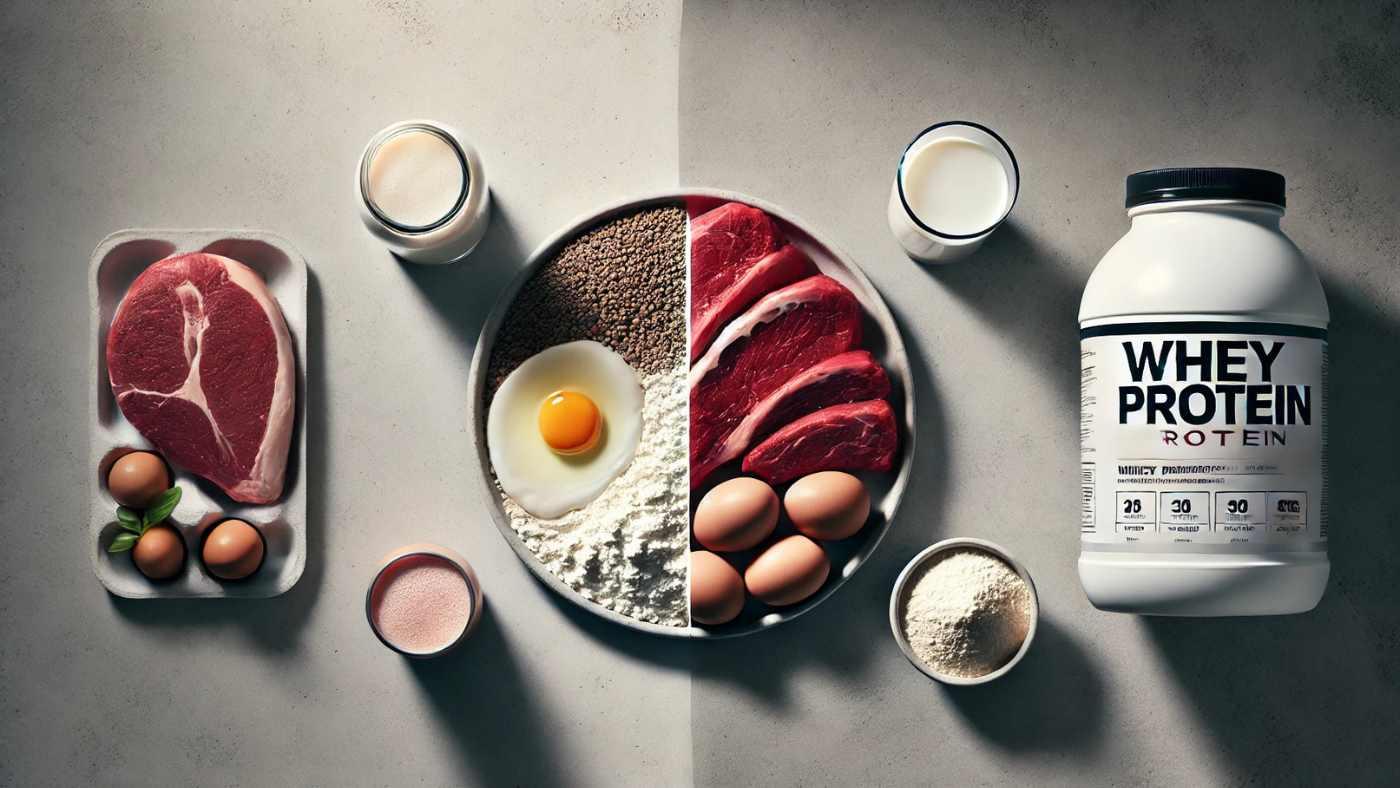
| Whole Foods | Protein Supplements |
|---|---|
| Natural nutrients | Convenient |
| Fiber & vitamins | Quick intake |
| More filling | Portable |
| Better long-term nutrition | Useful when diet falls short |
Whole foods should remain the foundation.
Potential Risks of Overusing Protein Supplements
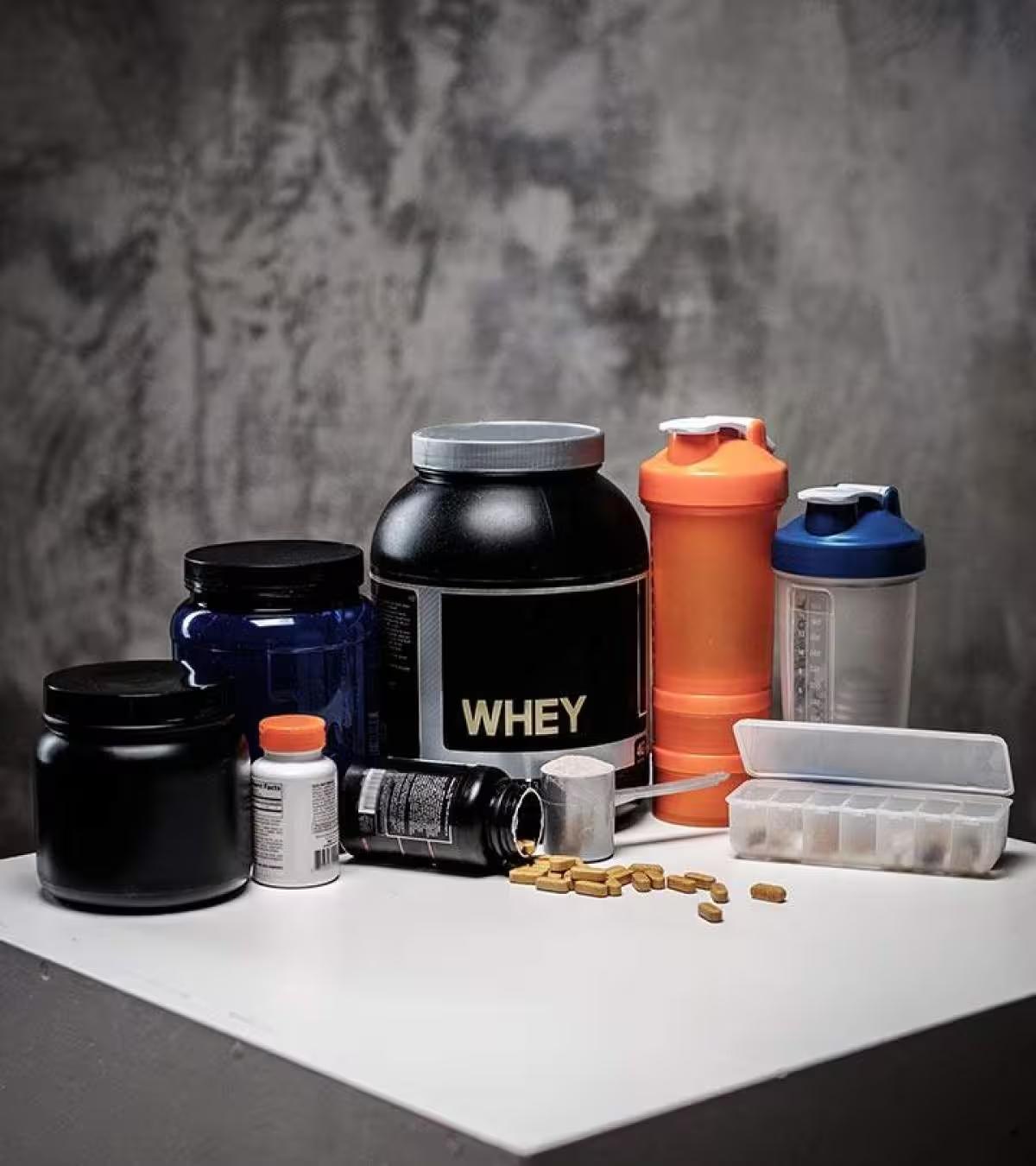
Excessive or unnecessary use may lead to:
- Digestive discomfort
- Bloating
- Unbalanced nutrition
- Excess calorie intake
In some cases, low-quality products may contain questionable ingredients.
Moderation and quality are important.
How to Choose a Protein Supplement Wisely

Look For:
- Trusted brands
- Clear ingredient lists
- Moderate sugar content
- Protein source transparency
Consider Your Goals:
- Muscle recovery
- General nutrition
- Vegetarian support
- Convenience
Not every supplement suits every person.
Protein-Rich Indian Foods

Many traditional Indian foods are naturally protein-rich.
Examples:
- Dal
- Chana
- Rajma
- Paneer
- Curd
- Eggs
- Soy products
- Millet-based meals
Balanced Indian diets can provide significant protein naturally.
Simple Daily Protein-Friendly Routine

Breakfast
- Eggs, paneer, or sprouts
Lunch
- Dal + roti + vegetables
Snacks
- Nuts, yogurt, or protein smoothie
Dinner
- Balanced meal with protein source
Consistency matters more than extreme intake.
Fitness, Sleep & Protein

Protein alone cannot create health or fitness results.
Recovery also depends on:
- Sleep
- Exercise
- Stress management
- Overall nutrition
Wellness is always holistic.
Final Thoughts
Protein supplements are tools—not magic solutions.
For some people, they offer convenience and support.
For others, balanced meals may already be enough.
The smartest approach is:
- Understanding your needs
- Prioritizing whole foods
- Using supplements carefully when necessary
Conclusion
Protein supplements can be helpful for certain individuals, especially active people or those struggling to meet nutritional needs through food alone.
However, they are not essential for everyone.
A balanced lifestyle built around:
- Nutritious meals
- Consistent exercise
- Good sleep
- Sustainable habits
Real health comes from balance, not marketing hype.