Introduction: Why Gut Health is a Major Wellness Focus in 2026
In 2026, gut health has become one of the biggest conversations in health and wellness.
Researchers now understand that the gut affects far more than digestion. A healthy gut may support:
- Immunity
- Energy levels
- Mental health
- Skin health
- Metabolism
At the center of gut wellness are probiotics—beneficial bacteria that help maintain balance in the digestive system.
The good news? Many probiotic foods are natural, affordable, and easy to include in daily meals.
This guide explores the best probiotic foods for gut health, their benefits, and how to include them in a balanced lifestyle.
What Are Probiotics?
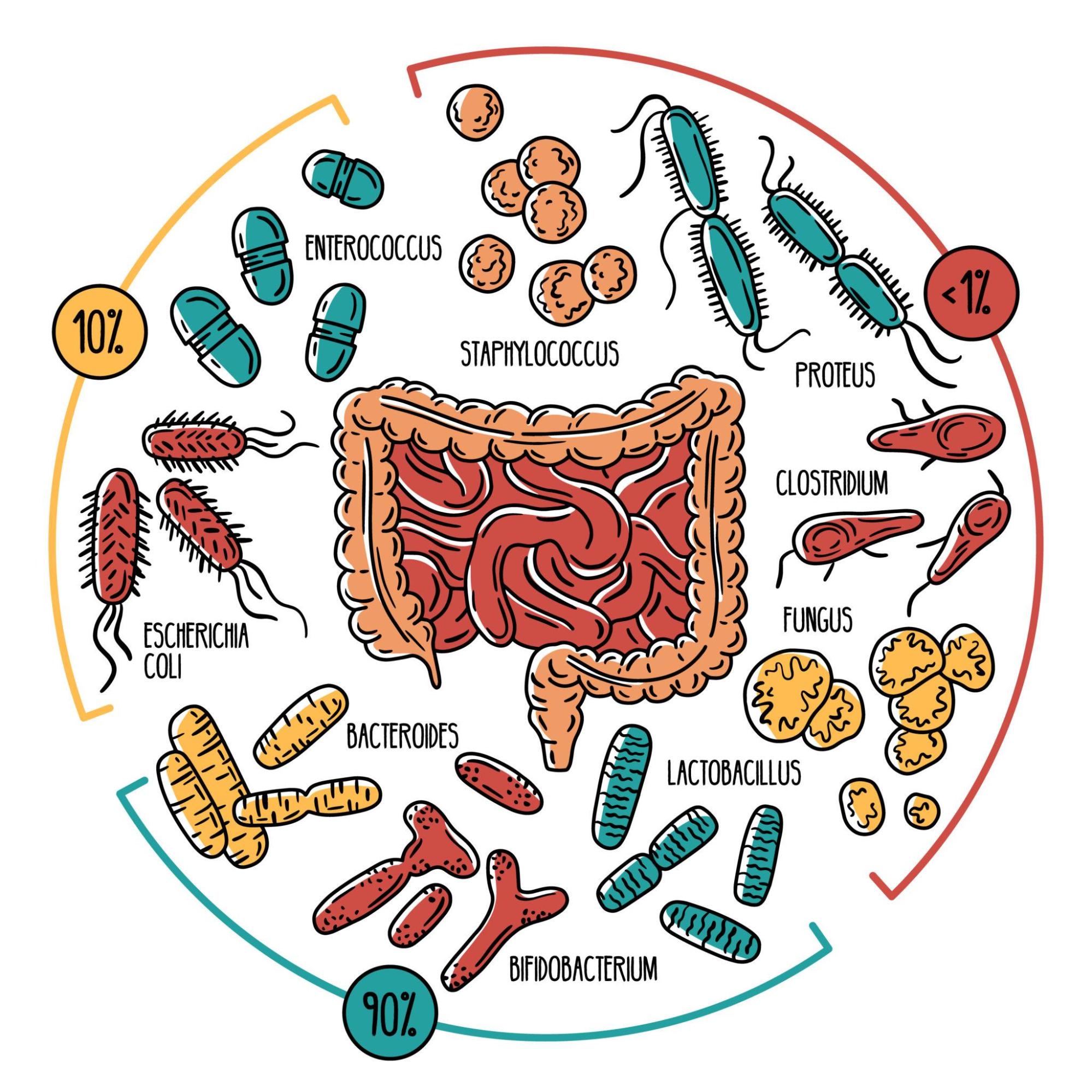
Probiotics are live beneficial microorganisms that support digestive and overall health.
They help maintain balance between:
- Good bacteria
- Harmful bacteria
Benefits of Probiotics:
- Better digestion
- Improved nutrient absorption
- Reduced bloating
- Immune support
Your gut microbiome plays a major role in overall wellness.
Why Gut Health Matters More Than Ever
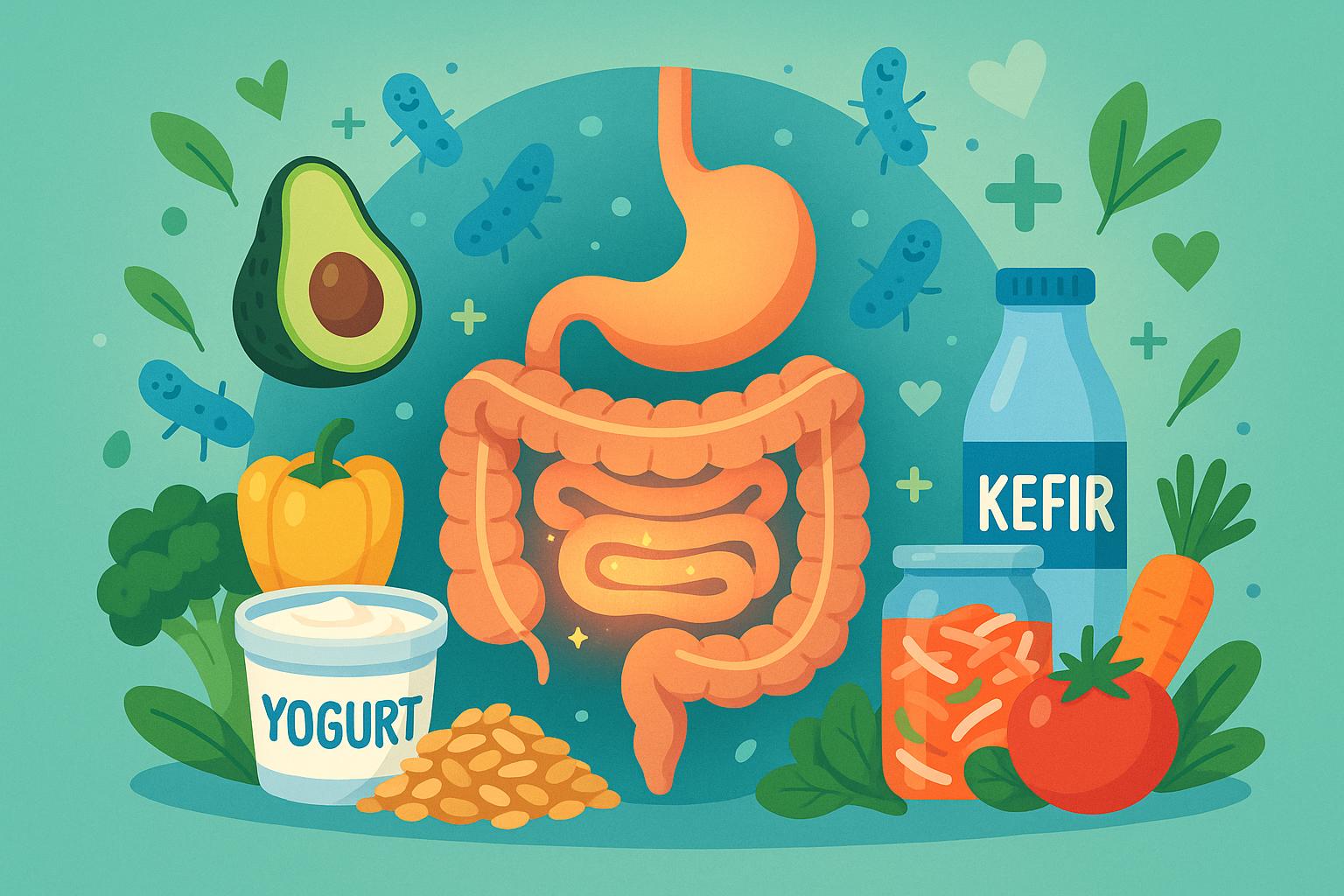
Modern lifestyles can negatively affect gut health through:
- Processed foods
- High sugar intake
- Stress
- Poor sleep
- Excess antibiotics
Common signs of poor gut health may include:
- Bloating
- Fatigue
- Digestive discomfort
- Low energy
Supporting gut health naturally has become increasingly important.
1. Yogurt (Dahi)
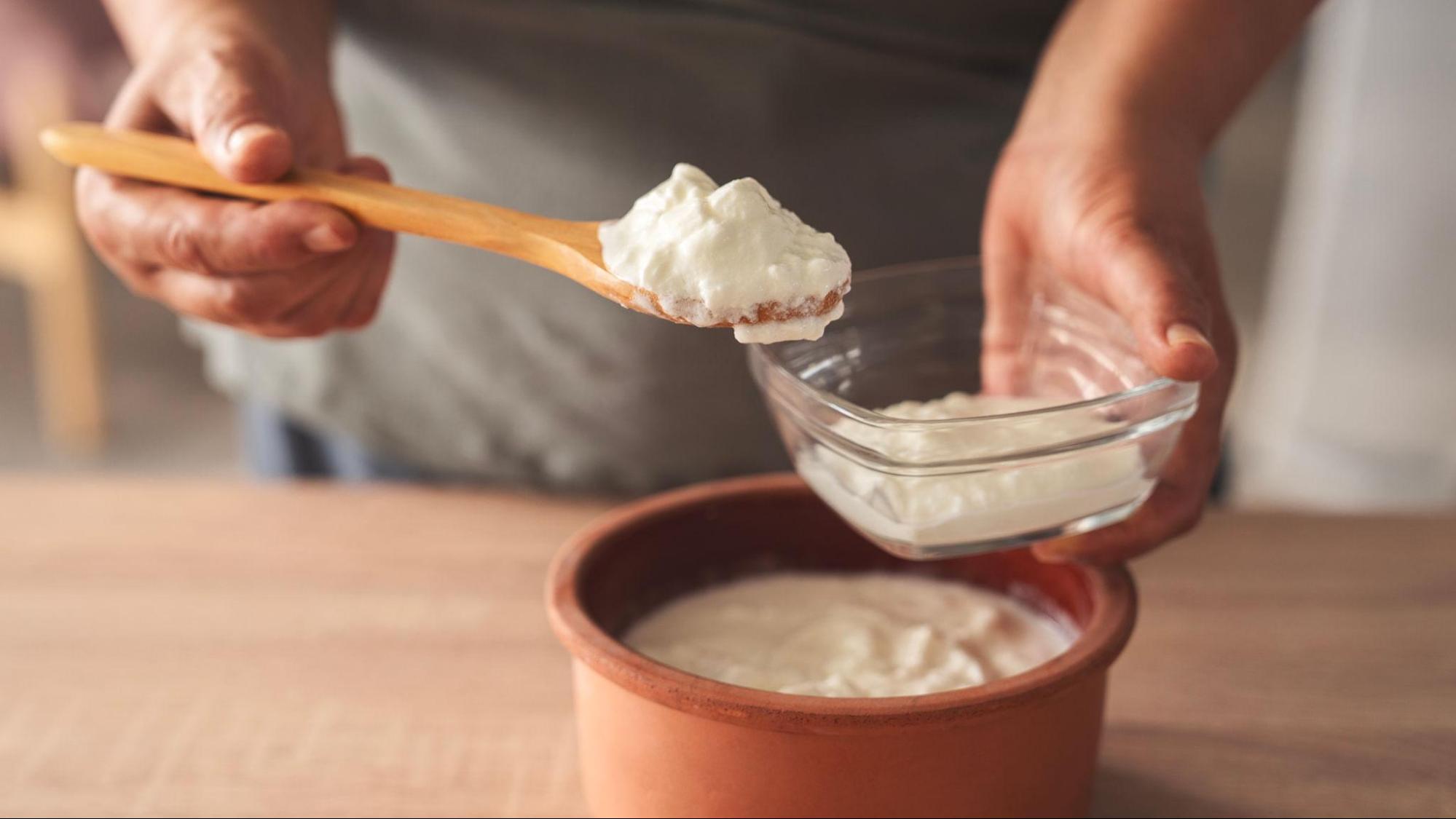
Yogurt is one of the most popular probiotic foods worldwide.
Benefits:
- Supports digestion
- Rich in beneficial bacteria
- Easy to include in meals
Best Choice:
- Plain yogurt
- Unsweetened curd
- Homemade dahi if possible
Avoid heavily sugary flavored yogurts.
2. Kefir
Kefir is a fermented milk drink rich in probiotics.
Benefits:
- Supports digestion
- Contains diverse beneficial bacteria
- May improve gut balance
Often considered more probiotic-rich than regular yogurt.
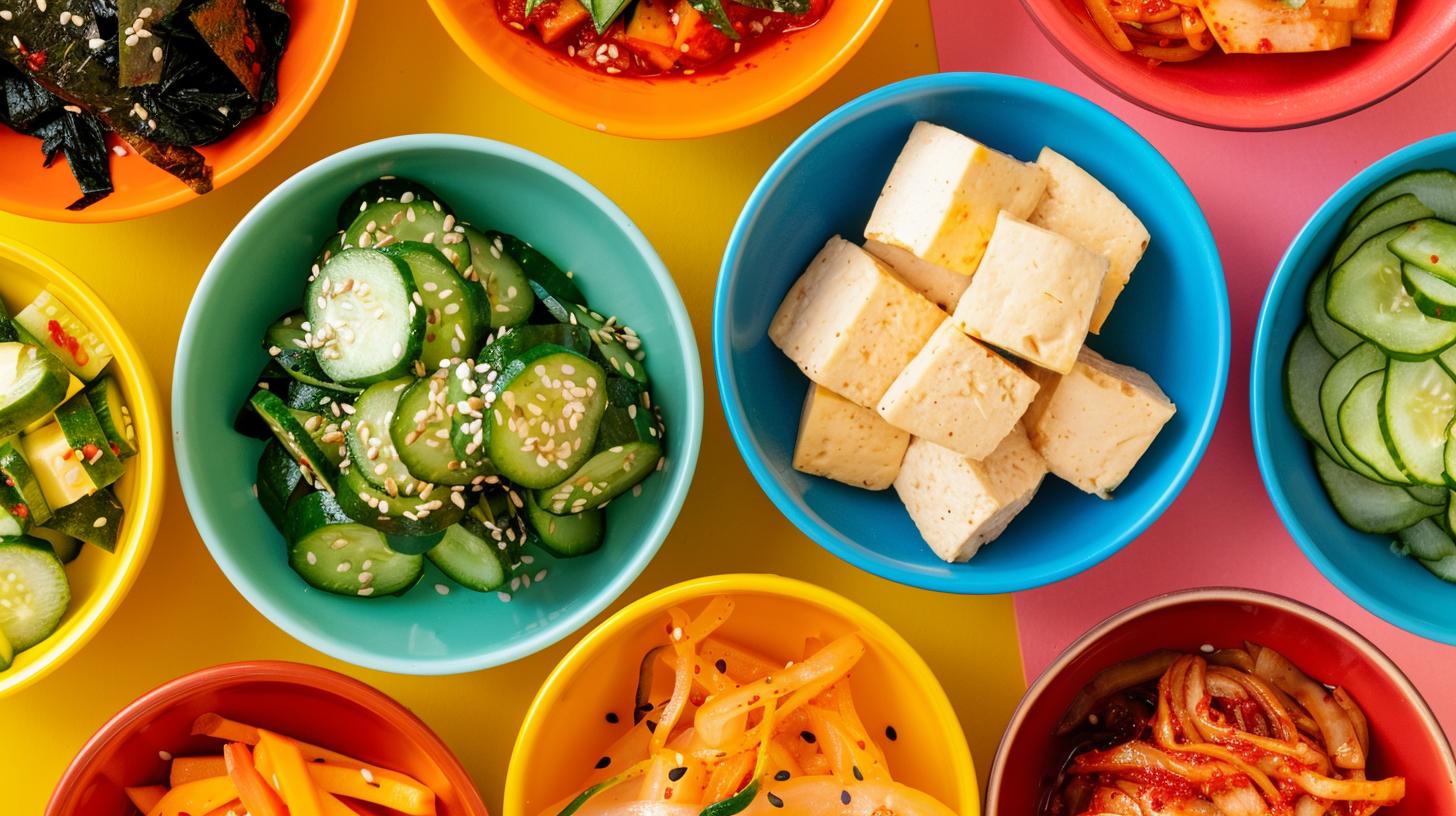
3. Kimchi
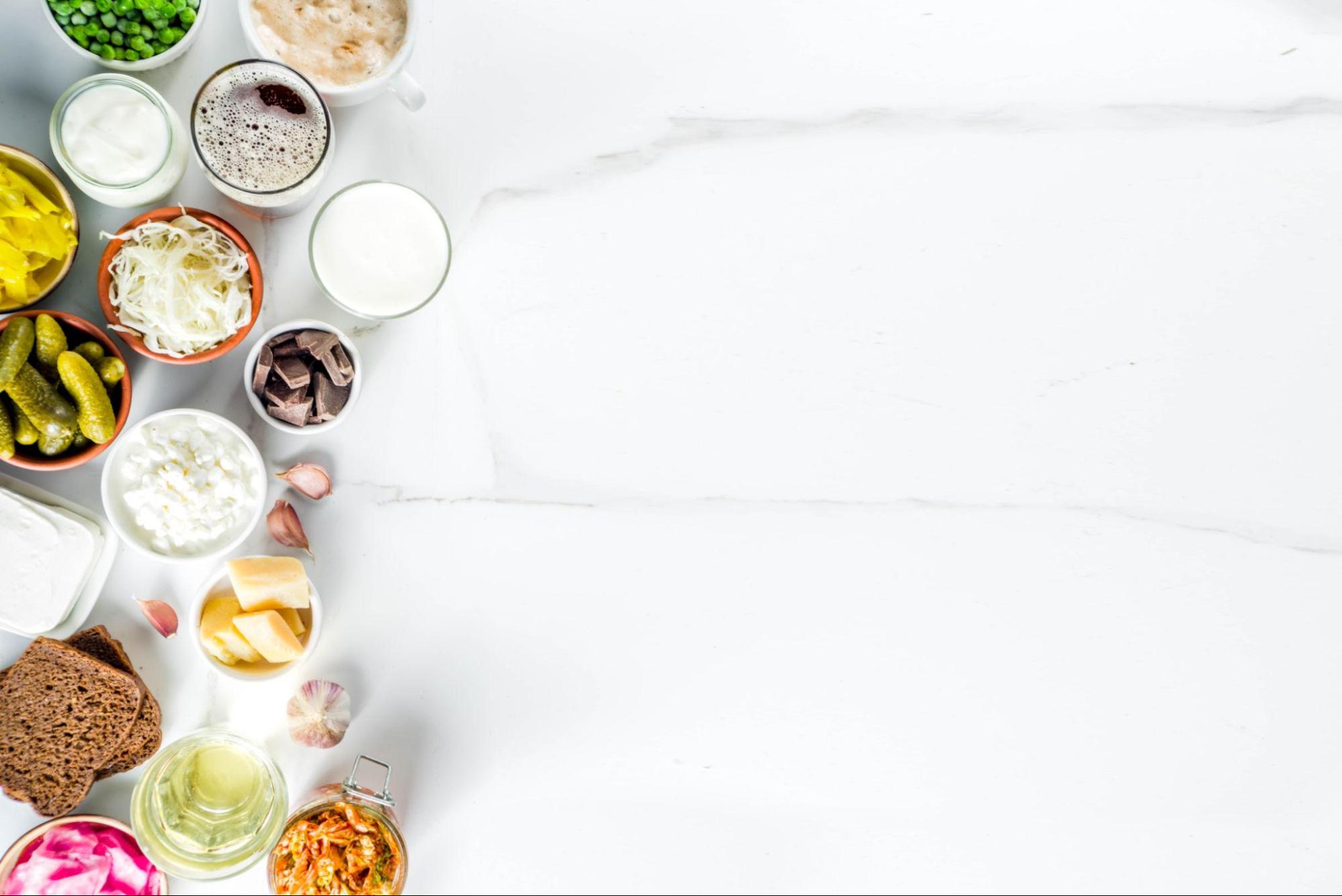
Kimchi is a Korean fermented vegetable dish made with:
- Cabbage
- Spices
- Garlic
- Ginger
Benefits:
- Rich in probiotics
- High in antioxidants
- Supports digestion
Also adds flavor and spice to meals.
4. Sauerkraut
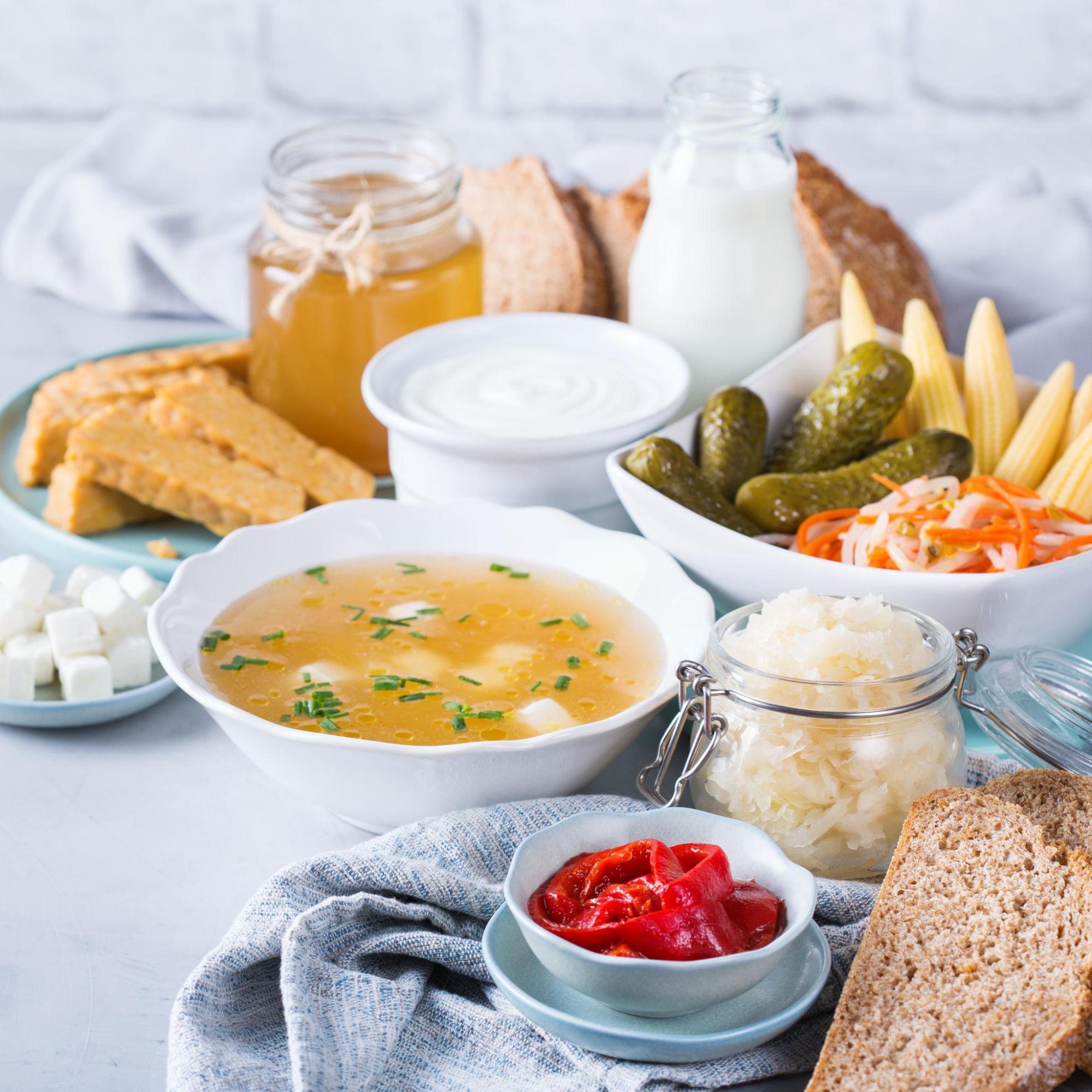
Sauerkraut is fermented cabbage commonly used in European diets.
Benefits:
- Supports gut bacteria
- Rich in fiber
- Contains vitamins and minerals
Choose unpasteurized versions for probiotic benefits.
5. Kombucha

Kombucha is a fermented tea drink becoming increasingly popular globally.
Benefits:
- Supports digestion
- Refreshing alternative to sugary drinks
- Contains probiotics and antioxidants
Consume moderately because some versions contain added sugar.
6. Traditional Indian Fermented Foods
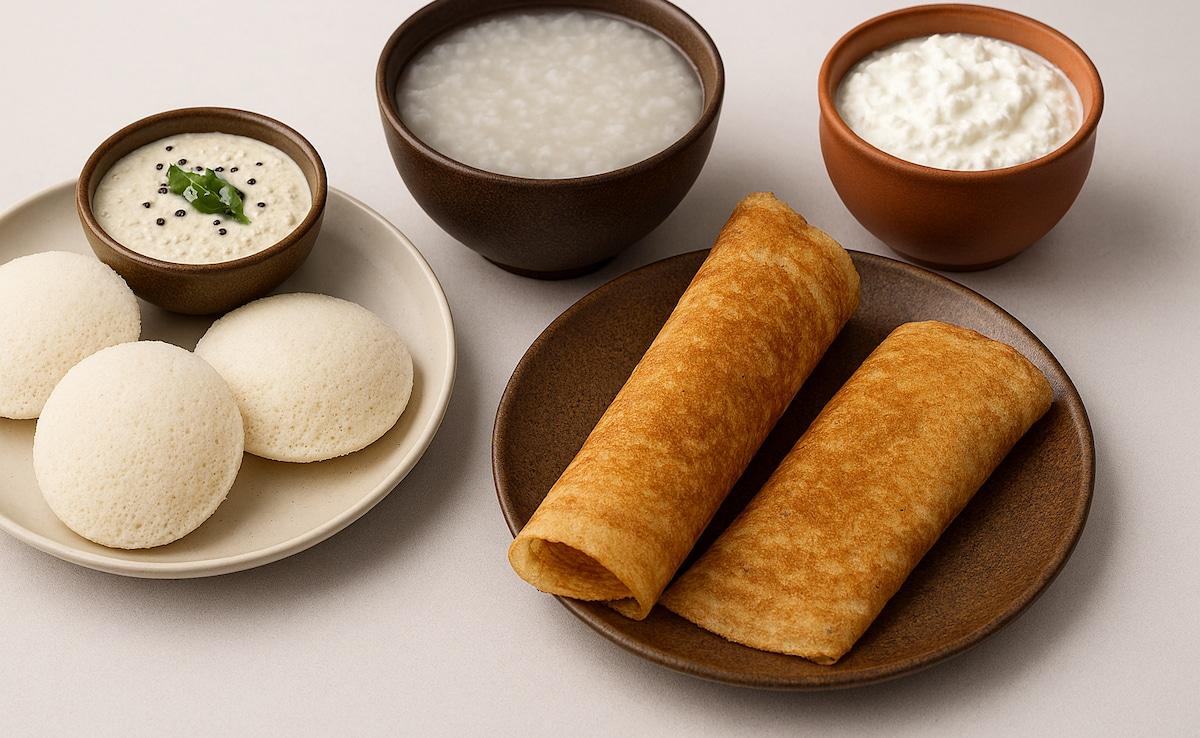
Indian cuisine naturally includes many probiotic-rich foods.
Examples:
- Dahi (curd)
- Chaas (buttermilk)
- Kanji
- Idli batter
- Dosa batter
Benefits:
- Affordable
- Traditional
- Easy to digest
Indian kitchens already contain many gut-friendly foods.
7. Miso
Miso is a Japanese fermented soybean paste.
Benefits:
- Supports gut bacteria
- Rich in nutrients
- Commonly used in soups
Prebiotics vs Probiotics
Many people confuse the two.
Probiotics:
Beneficial bacteria themselves.
Prebiotics:
Fiber that feeds good bacteria.
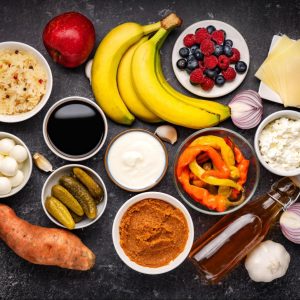
Good Prebiotic Foods:
- Bananas
- Garlic
- Onions
- Oats
Gut health improves when both work together.
How to Add Probiotic Foods Into Your Daily Routine
Breakfast
- Yogurt with fruits
- Idli or dosa
Lunch
- Chaas or fermented vegetables
Snacks
- Kombucha or kefir
Dinner
- Balanced meals with fiber-rich foods
Consistency matters more than quantity.
Common Gut Health Mistakes
- Too Much Processed Food – Harms beneficial bacteria.
- Excess Sugar Intake – May negatively affect gut balance.
- Lack of Fiber – Good bacteria need fiber to thrive.
- Overusing Antibiotics – Can reduce beneficial bacteria.
Lifestyle Habits That Support Gut Health
Gut health is not only about food.
Important Habits:
- Better sleep
- Stress management
- Hydration
- Physical activity
The gut and brain are strongly connected.
Final Thoughts
Probiotic foods are not “magic cures,” but they can play an important role in supporting overall wellness.
Simple dietary changes may help improve:
- Digestion
- Energy
- Immunity
- Daily comfort
Many probiotic foods are already part of traditional diets worldwide.
Conclusion
In 2026, gut health is becoming a major part of overall wellness—and probiotic foods are at the center of that conversation.
Adding foods like:
- Yogurt
- Kefir
- Kimchi
- Kombucha
- Traditional fermented Indian foods
can support healthier digestion and long-term wellness naturally.
Healthy guts often start with simple daily habits.