Introduction: The Rise of “Fibermaxxing” in 2026
In 2026, nutrition trends are shifting from extreme dieting to smart eating habits. One trend gaining serious attention is “Fibermaxxing”—a focus on increasing daily fiber intake for better health.
Unlike restrictive diets, a fiber-rich diet is simple, affordable, and backed by science. It improves digestion, supports weight management, and even boosts overall wellness.
If you want a healthier gut, better energy, and long-term health benefits, fibermaxxing might be exactly what you need.
What is a Fiber-Rich Diet?
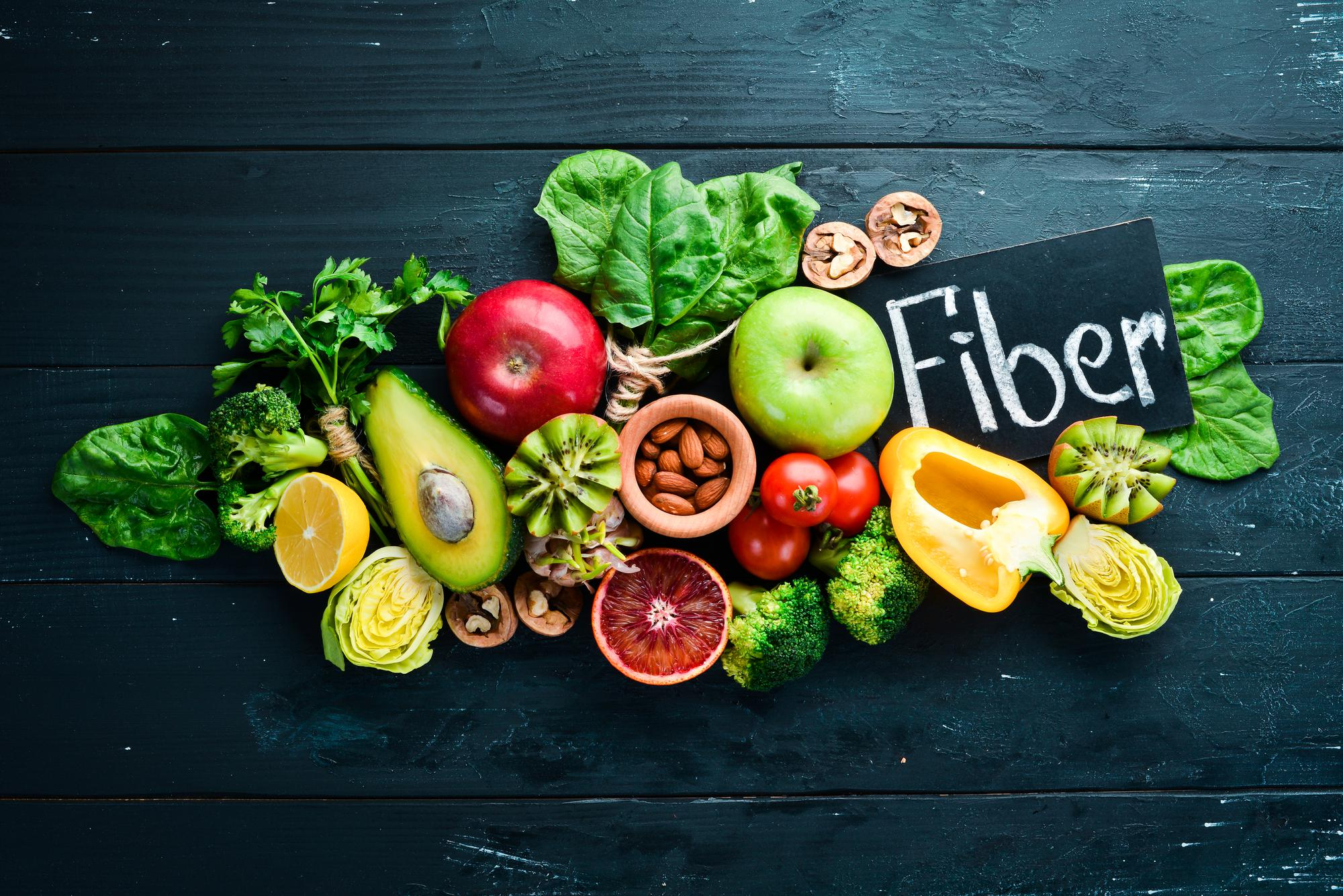
A fiber-rich diet includes foods that are high in dietary fiber, a type of carbohydrate that your body cannot digest.
Two Types of Fiber:
-
Soluble Fiber
Dissolves in water
Helps control blood sugar and cholesterol
Found in oats, fruits, and beans -
Insoluble Fiber
Adds bulk to stool
Improves digestion
Found in whole grains, vegetables
👉 Both are essential for overall health.
Why Fiber is Important
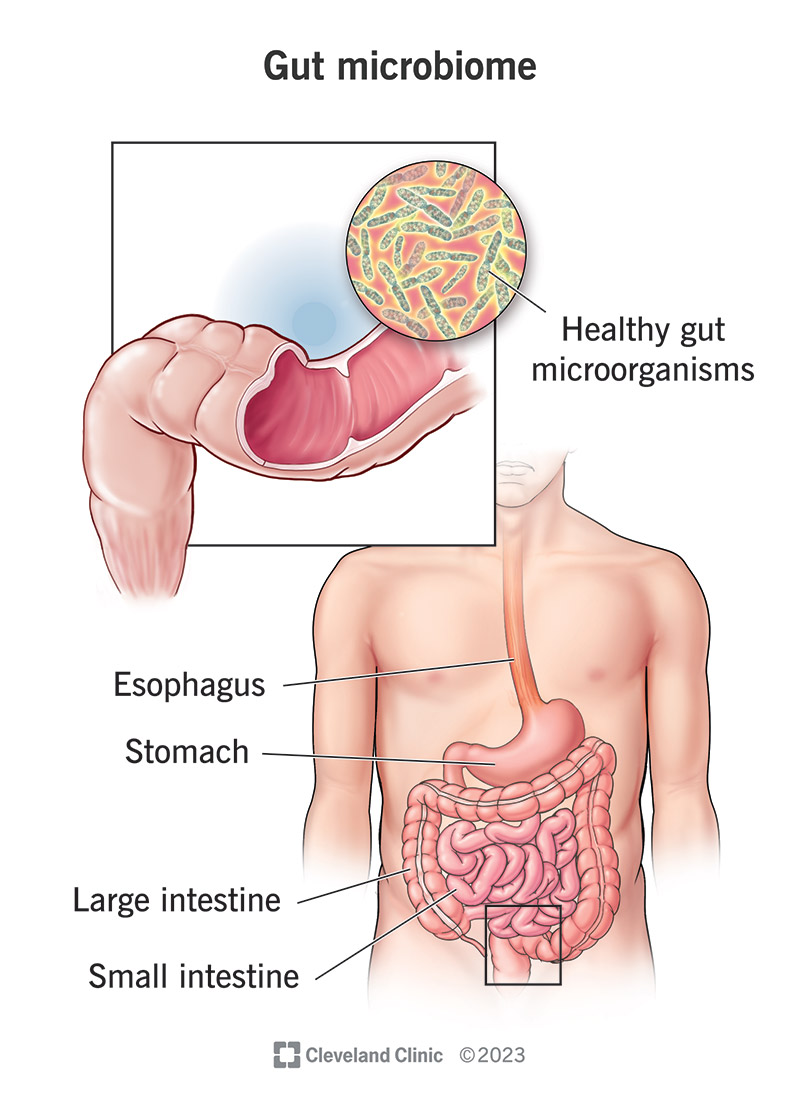
Fiber plays a key role in maintaining your body’s internal balance.
Benefits:
- Improves digestion
- Prevents constipation
- Supports gut health
- Reduces cholesterol
- Helps manage weight
- Stabilizes blood sugar
👉 A healthy gut = a healthy body.
Benefits of Fibermaxing
- Better Digestion
Fiber keeps your digestive system smooth and efficient. - Weight Management
High-fiber foods keep you full longer. - Improved Heart Health
Helps lower bad cholesterol. - Stable Energy Levels
Prevents sugar spikes and crashes. - Gut Microbiome Support
Feeds healthy gut bacteria.
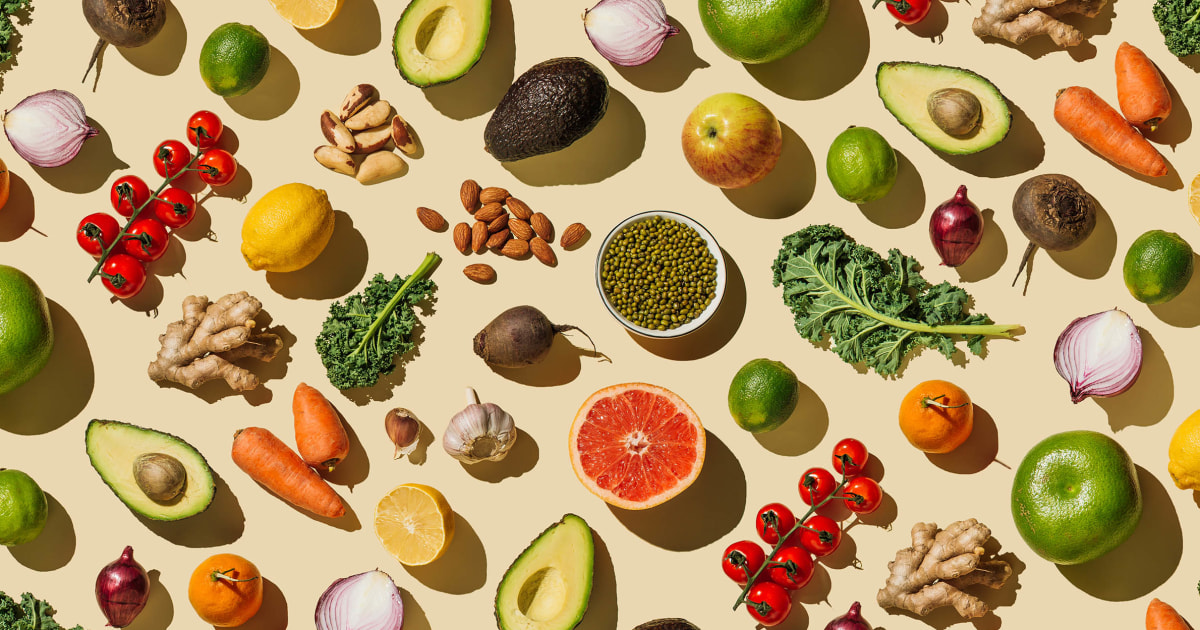
Best High-Fiber Foods to Include
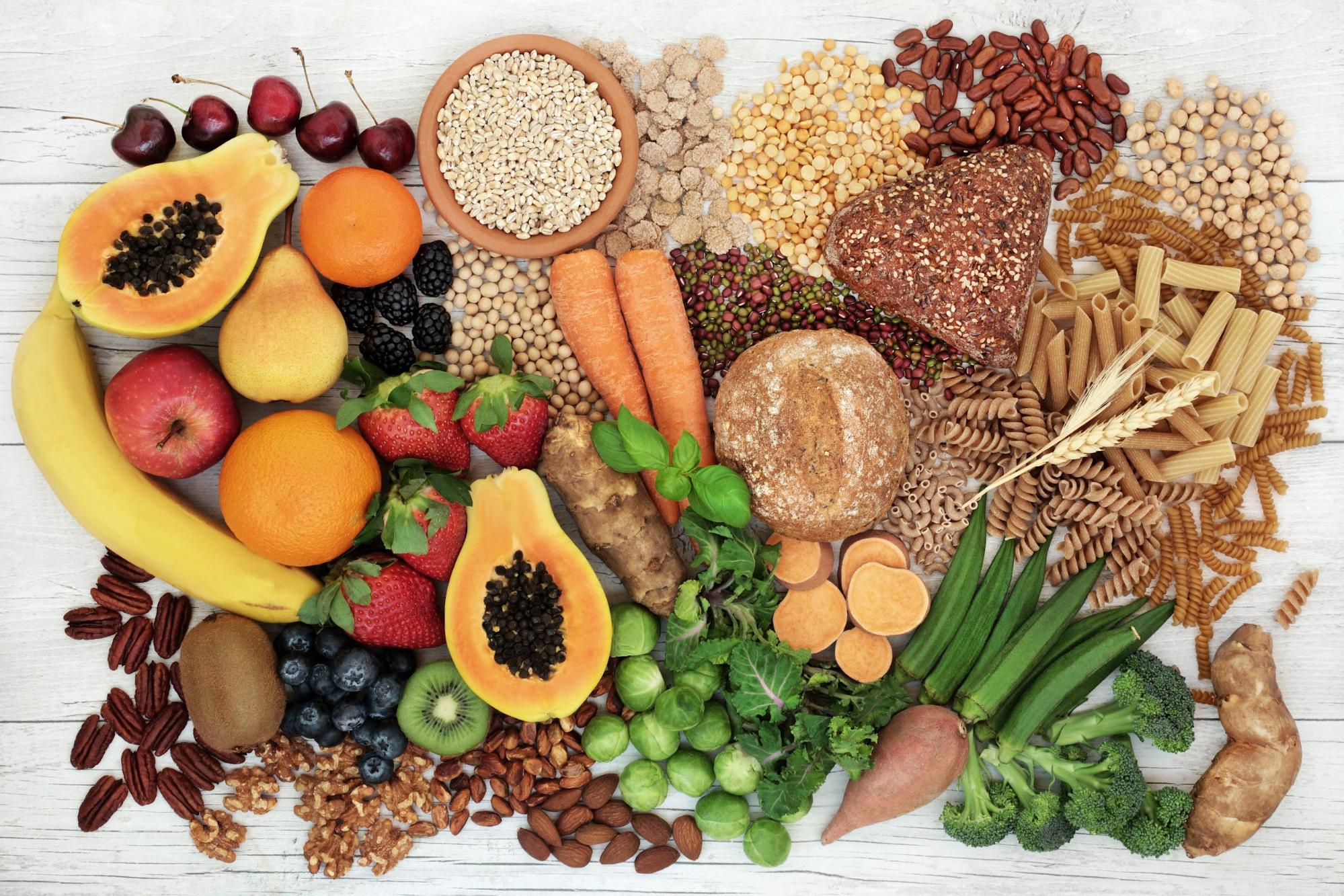
- Fruits:
Apples
Bananas
Berries - Vegetables:
Broccoli
Carrots
Spinach - Whole Grains:
Oats
Brown rice
Whole wheat - Legumes:
Lentils (dal)
Chickpeas
Beans - Nuts & Seeds:
Chia seeds
Flaxseeds
Almonds
1-Day Fibermaxxing Meal Plan
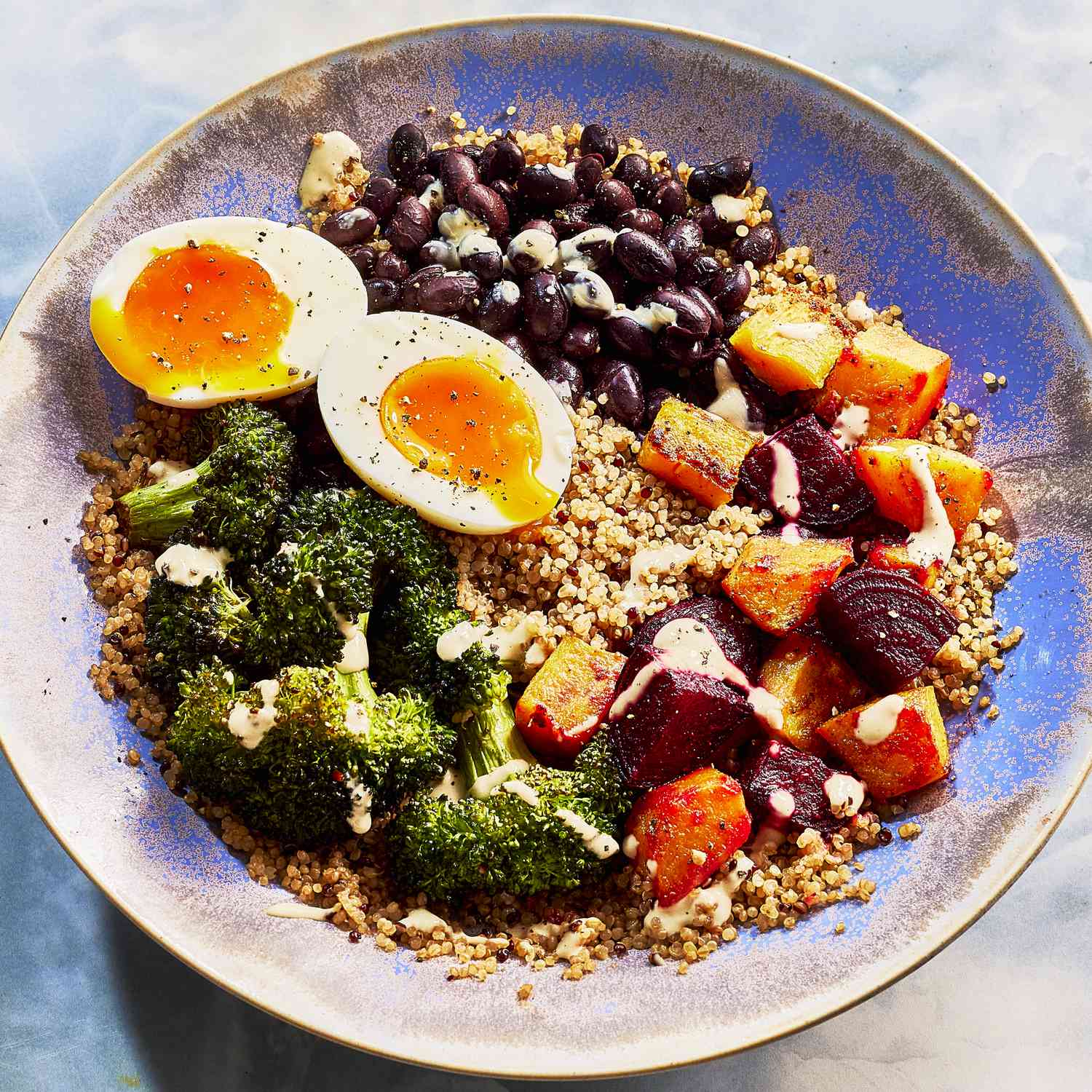
Here’s a simple high-fiber meal plan:
- Breakfast:
Oats with fruits and chia seeds
1 apple - Mid-Morning Snack:
Handful of almonds
Green tea - Lunch:
2 whole wheat rotis
Dal (lentils)
Mixed vegetable sabzi
Salad - Evening Snack:
Roasted chickpeas - Dinner:
Brown rice
Vegetable curry
Soup or salad
👉 Simple, affordable, and effective.
How Much Fiber Do You Need?
Men: 30–38 grams/day
Women: 21–25 grams/day
👉 Most people consume less than required.
How to Start Fibermaxxing (Step-by-Step)
- Step 1: Increase Gradually
Don’t suddenly jump to high fiber—start slowly. - Step 2: Drink More Water
Fiber works best with proper hydration. - Step 3: Replace Refined Foods
Switch white bread → whole grains - Step 4: Add Fruits & Vegetables
Include them in every meal.
Common Mistakes to Avoid
- Increasing Fiber Too Fast
Can cause bloating. - Not Drinking Enough Water
Leads to digestive discomfort. - Ignoring a Balanced Diet
Fiber is important, but so are proteins and fats.
Who Should Try Fibermaxxing?
- People with digestive issues
- Those trying to lose weight
- Anyone wanting better overall health
- Individuals with blood sugar concerns
Final Thoughts: Simple Habit, Big Impact
Fibermaxxing is not a complicated diet—it’s a lifestyle upgrade.
By making small changes, you can improve digestion, energy, and long-term health.
Conclusion
In 2026, the smartest diets are not extreme—they are balanced and sustainable.
A fiber-rich diet is one of the easiest ways to improve your health naturally.
Start today. Eat smart. Stay healthy.