
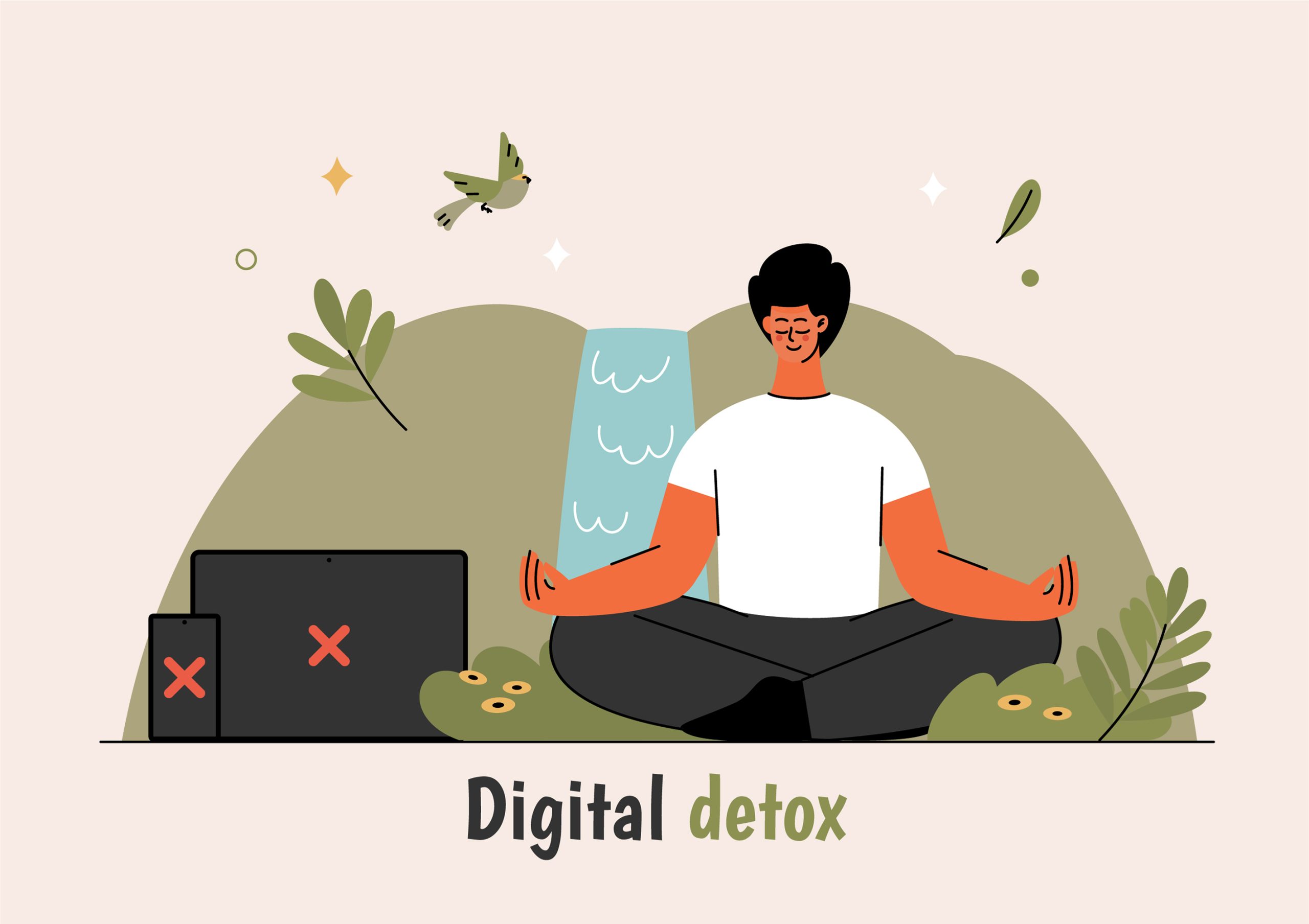
Introduction: Why Digital Detox Matters More Than Ever
In 2026, our lives are more digitally connected than ever before. From smart devices tracking our sleep to AI-driven apps guiding our daily routines, technology has become deeply embedded in our lives. While these advancements offer convenience and efficiency, they also come with a hidden cost—mental fatigue, reduced attention span, and constant overstimulation.
A digital detox is not about abandoning technology completely. Instead, it’s about creating a healthier relationship with it. Taking just seven days to reset your habits can significantly improve your mental clarity, sleep quality, productivity, and emotional well-being.
This guide walks you through a practical, realistic 7-day digital detox plan that fits modern lifestyles.

Day 1: Awareness & Digital Audit
The first step toward change is awareness.
What to do:
- Track your screen time for one full day
- Identify “time-draining” apps (social media, reels, games)
- Note how often you check your phone
Goal: Understand your current habits without judgment.
Day 2: Declutter Your Digital Space
What to do:
- Delete apps you don’t use
- Unfollow accounts that don’t add value
- Turn off non-essential notifications
- Clean your email inbox
Goal: Reduce noise and distractions.

Day 3: Set Boundaries with Technology
What to do:
- Define “no-phone zones” (bedroom, dining table)
- Set app time limits
- Schedule tech-free hours
Goal: Create intentional usage instead of habitual scrolling.
Day 4: Replace Screen Time with Real Activities
What to do:
- Read a physical book
- Go for a walk or workout
- Try journaling or meditation
- Spend time with family or friends
Goal: Rediscover offline joy and meaningful engagement.
Day 5: Mindfulness & Mental Reset

What to do:
- Practice 10–15 minutes of meditation
- Focus on breathing exercises
- Avoid multitasking
- Be present in every activity
Goal: Reconnect with yourself.
Day 6: Deep Work & Creativity
What to do:
- Work on a meaningful project
- Learn a new skill
- Write, design, or build something
- Avoid interruptions
Goal: Experience the power of uninterrupted focus.

Day 7: Reflection & Sustainable Habits
What to do:
- Journal your experience
- Note improvements (sleep, focus, mood)
- Decide which habits to keep
- Set future digital rules
Goal: Turn a 7-day detox into a lifestyle.
Benefits You’ll Notice After 7 Days
- Better sleep quality
- Improved focus and attention
- Reduced anxiety and stress
- More free time
- Stronger real-world connections
Common Challenges (And How to Overcome Them)
1. Fear of Missing Out (FOMO)
Most content is not urgent.
2. Work Dependency
Focus on reducing unnecessary usage.
3. Habitual Checking
Replace with physical actions like stretching.
Pro Tips for Long-Term Digital Balance
- Keep notifications minimal
- Use grayscale mode
- Follow a “digital sunset”
- Take one tech-free day weekly
Conclusion: Reset, Don’t Reject Technology
A digital detox is not about rejecting technology—it’s about reclaiming control. In 2026, the goal is not to disconnect completely but to use technology consciously.
Start small. Stay consistent. And remember—your mind deserves a break.