Longevity Supplements in 2026: What Science Actually Says
The global obsession with longevity is no longer confined to Silicon Valley biohackers or elite wellness clinics.
In 2026, healthy aging has become a mainstream global priority. Consumers are increasingly focused not only on living longer, but on extending healthspan — the number of years spent physically active, mentally sharp, and free from chronic disease. :contentReference[oaicite:0]{index=0}
This growing interest has fueled a massive longevity supplement industry built around promises of:
- Cellular repair
- Slower aging
- Improved energy
- Better brain health
- Enhanced metabolic function
- Increased lifespan
From NAD+ boosters and resveratrol to creatine and omega-3s, the market is flooded with products claiming to optimize aging.
But the scientific reality is far more nuanced.
While some supplements show promising evidence for supporting aspects of healthy aging, many popular anti-aging claims remain preliminary, overstated, or heavily dependent on animal studies rather than long-term human data. :contentReference[oaicite:1]{index=1}
What Longevity Supplements Are Trying to Do
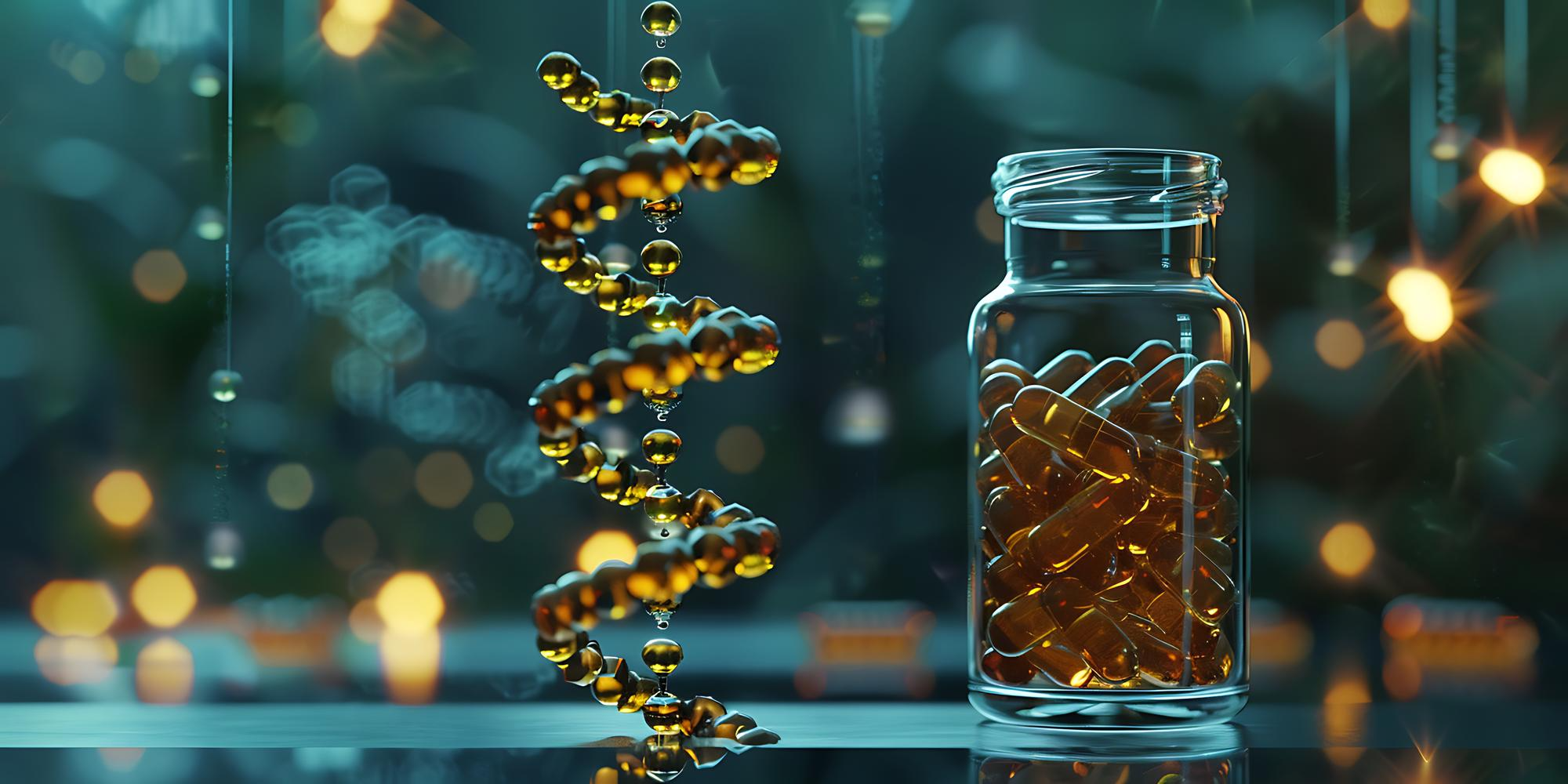
Most longevity supplements aim to influence biological processes associated with aging, including:
- Cellular energy production
- Oxidative stress
- Inflammation
- DNA repair
- Mitochondrial function
- Muscle preservation
- Metabolic health
Researchers increasingly believe aging is influenced by multiple interconnected biological pathways rather than a single “aging switch.”
However, slowing biological aging in humans remains extremely difficult to prove scientifically.
The Difference Between Lifespan and Healthspan
One important distinction often missing from supplement marketing is the difference between:
Lifespan → How long someone lives
Healthspan → How well someone lives during aging
Most evidence-supported longevity strategies focus more on improving healthspan rather than dramatically extending lifespan itself.
Experts consistently emphasize that:
- Exercise
- Nutrition
- Sleep
- Stress management
- Social connection
still have far stronger evidence than any supplement currently available. :contentReference[oaicite:2]{index=2}
Supplements may support healthy aging — but they do not replace foundational lifestyle habits.
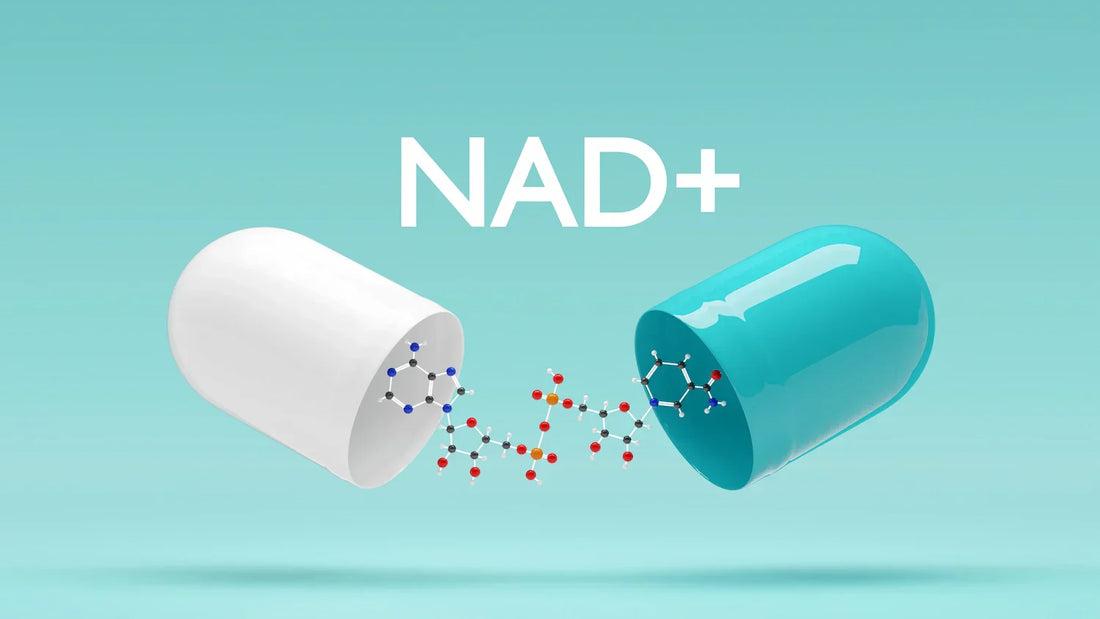
NAD+ Boosters: NMN and NR
Among the most popular longevity supplements in 2026 are NAD+ precursors such as:
- NMN (Nicotinamide Mononucleotide)
- NR (Nicotinamide Riboside)
These compounds aim to increase levels of NAD+, a molecule involved in:
- Cellular energy production
- DNA repair
- Metabolic regulation
What the Science Says
Human studies suggest NAD+ boosters may help support:
- Energy metabolism
- Cellular repair pathways
- Mitochondrial function
However, experts caution that evidence for actual lifespan extension in humans remains limited. :contentReference[oaicite:3]{index=3}
Marketing often moves faster than scientific certainty.
Resveratrol: Popular but Controversial
Resveratrol became famous because early research suggested it may activate pathways associated with caloric restriction and cellular stress resistance.
It is naturally found in:
- Grapes
- Red wine
- Berries
Animal studies showed intriguing anti-aging potential.
The Challenge
Human evidence has been far less convincing.
Some experts now consider resveratrol one of the more overhyped longevity supplements because long-term human benefits remain unclear. :contentReference[oaicite:4]{index=4}
While resveratrol may have antioxidant benefits, meaningful anti-aging effects in humans remain uncertain.
Omega-3s: One of the Strongest Evidence-Based Options
Unlike many trendy anti-aging compounds, omega-3 fatty acids have substantial human research behind them.
Omega-3s May Support:
- Cardiovascular health
- Brain function
- Inflammation reduction
- Healthy aging markers
Many experts consider omega-3s among the most evidence-supported longevity-related supplements available today.
Creatine Is No Longer Just for Athletes
Creatine is increasingly recognized as more than a sports supplement.
Research suggests creatine may help support:
- Muscle preservation
- Cognitive performance
- Energy metabolism
- Healthy aging
This is particularly important because age-related muscle loss (sarcopenia) can significantly affect mobility and independence later in life. :contentReference[oaicite:5]{index=5}
Many longevity experts now view creatine as one of the most practical aging-support supplements.
Vitamin D and Magnesium Still Matter
While newer biohacking supplements receive more attention, basic nutritional deficiencies remain extremely common.
Experts continue emphasizing:
- Vitamin D
- Magnesium
- Adequate protein intake
- Fiber consumption
- Omega-3 intake
Correcting nutritional deficiencies may have a greater real-world impact than many expensive experimental supplements.
Emerging Longevity Compounds
Spermidine
Being studied for its role in autophagy, the body’s process of clearing damaged cellular material.
Urolithin A
Researchers are investigating its potential effects on mitochondrial support and muscle function.
Rapamycin & Metformin
These prescription medications are widely discussed in longevity circles because animal studies suggest possible anti-aging effects.
However, they are not approved specifically as anti-aging therapies and require medical supervision.
The Biohacking Problem: Hype Often Exceeds Evidence
One major challenge in the longevity industry is that marketing frequently outpaces scientific validation.
Many supplement claims rely on:
- Animal experiments
- Cell studies
- Theoretical mechanisms
- Small short-term trials
Social media and influencer culture often amplify:
- Extreme supplement stacks
- Expensive protocols
- Anti-aging hacks
- Celebrity biohacking routines
Scientific uncertainty is often missing from marketing messages.
Safety and Quality Matter
Not all supplements are regulated equally worldwide.
Potential Concerns:
- Ingredient purity
- Contamination
- Mislabeling
- Unverified dosages
- Unsupported health claims
Experts increasingly recommend:
- Third-party testing
- Medical guidance
- Evidence-based decision-making
- Avoiding excessive supplement stacking
What Actually Has the Strongest Longevity Evidence?
The Future of Longevity Science
The strongest evidence for healthy aging still consistently points toward:
- Regular exercise
- Strength training
- High-quality sleep
- Mediterranean-style nutrition
- Social connection
- Stress reduction
- Maintaining healthy body composition
No supplement currently appears capable of replacing these foundational behaviors.
The Future of Longevity Science
Researchers are increasingly studying:
- Cellular senescence
- Epigenetic aging
- Mitochondrial function
- Personalized longevity interventions
- AI-driven health optimization
Future anti-aging therapies may become far more precise and evidence-based than today’s supplement market.
But in 2026, the science remains far more complex than the simple “anti-aging pill” narrative often presented online.
Final Thoughts
Longevity supplements exist at the intersection of exciting science, commercial hype, preventive health, and consumer optimism.
Some supplements—particularly omega-3s, creatine, vitamin D correction, and certain metabolic support compounds—have meaningful evidence supporting aspects of healthy aging and healthspan improvement.
Others remain scientifically promising but not yet fully validated in long-term human studies.
There is currently no proven supplement capable of dramatically stopping or reversing human aging.
Conclusion
Healthy aging still depends primarily on:
- Lifestyle quality
- Physical activity
- Nutrition
- Sleep
- Mental well-being
- Preventive healthcare
Supplements may support those goals, but they work best when viewed as additions to a healthy lifestyle—not shortcuts around it. :contentReference[oaicite:6]{index=6}
The future of longevity is likely to come from combining science, healthy habits, and evidence-based healthcare—not from any single supplement.