
Cortisol & Chronic Stress: The Hidden Driver of Modern Illness
Modern life is becoming increasingly fast, connected, and demanding.
People today face constant streams of information, financial pressure, work overload, social comparison, sleep disruption, digital stimulation, and emotional uncertainty. While stress has always been part of human existence, many health experts now believe the modern world has created an environment of nearly continuous low-grade stress exposure.
At the center of this biological response is a hormone called cortisol.
Often referred to as the body’s primary stress hormone, cortisol plays a critical role in survival. In healthy situations, it helps regulate:
- Energy
- Alertness
- Blood pressure
- Metabolism
- Inflammation
- Immune responses
But when stress becomes chronic rather than temporary, cortisol regulation can become disrupted-and that may contribute to a wide range of modern health problems.
What Is Cortisol?
Cortisol is a hormone produced by the adrenal glands as part of the body’s stress-response system.
When the brain detects stress or perceived danger, the nervous system activates the fight-or-flight response, releasing hormones including:
- Cortisol
- Adrenaline
This response evolved to help humans survive immediate threats by:
- Increasing energy availability
- Raising alertness
- Mobilizing glucose
- Suppressing non-essential functions temporarily
In short bursts, cortisol is not harmful-it is essential.
Problems arise when stress becomes chronic and the body remains in an extended state of physiological activation.
Why Chronic Stress Is Different From Normal Stress
Temporary stress is a natural part of life.
Examples Include:
- Public speaking
- Exams
- Exercise
- Short-term deadlines
After the stress passes, the nervous system usually returns to baseline.
Chronic stress is different because the body may remain in a prolonged state of activation for weeks, months, or even years.
Common Sources of Chronic Stress:
- Financial insecurity
- Workplace pressure
- Relationship conflict
- Caregiving responsibilities
- Sleep deprivation
- Constant digital stimulation
- Social media comparison
- Economic uncertainty
The body often struggles to distinguish between physical danger and ongoing psychological stress.
How Chronic Stress Affects the Body

Chronic stress can influence nearly every major system in the body.
1. Sleep Disruption
Elevated stress hormones can interfere with:
- Falling asleep
- Staying asleep
- Deep sleep quality
Poor sleep then increases stress further, creating a damaging cycle.
2. Weight Gain & Metabolism
- Increased appetite
- Sugar cravings
- Abdominal fat accumulation
- Blood sugar instability
3. Immune Function
Long-term cortisol dysregulation may weaken immune resilience over time.
4. Digestive Health
- Digestive discomfort
- Appetite changes
- Irritable bowel symptoms
- Altered gut microbiome balance
5. Cardiovascular Health
- High blood pressure
- Heart disease
- Stroke risk
- Chronic inflammation
The body was not designed to remain in constant survival mode indefinitely.
The Mental Health Impact
Chronic stress affects not only physical health, but also emotional well-being.
Many individuals experiencing prolonged stress report:
- Anxiety
- Emotional exhaustion
- Irritability
- Brain fog
- Reduced motivation
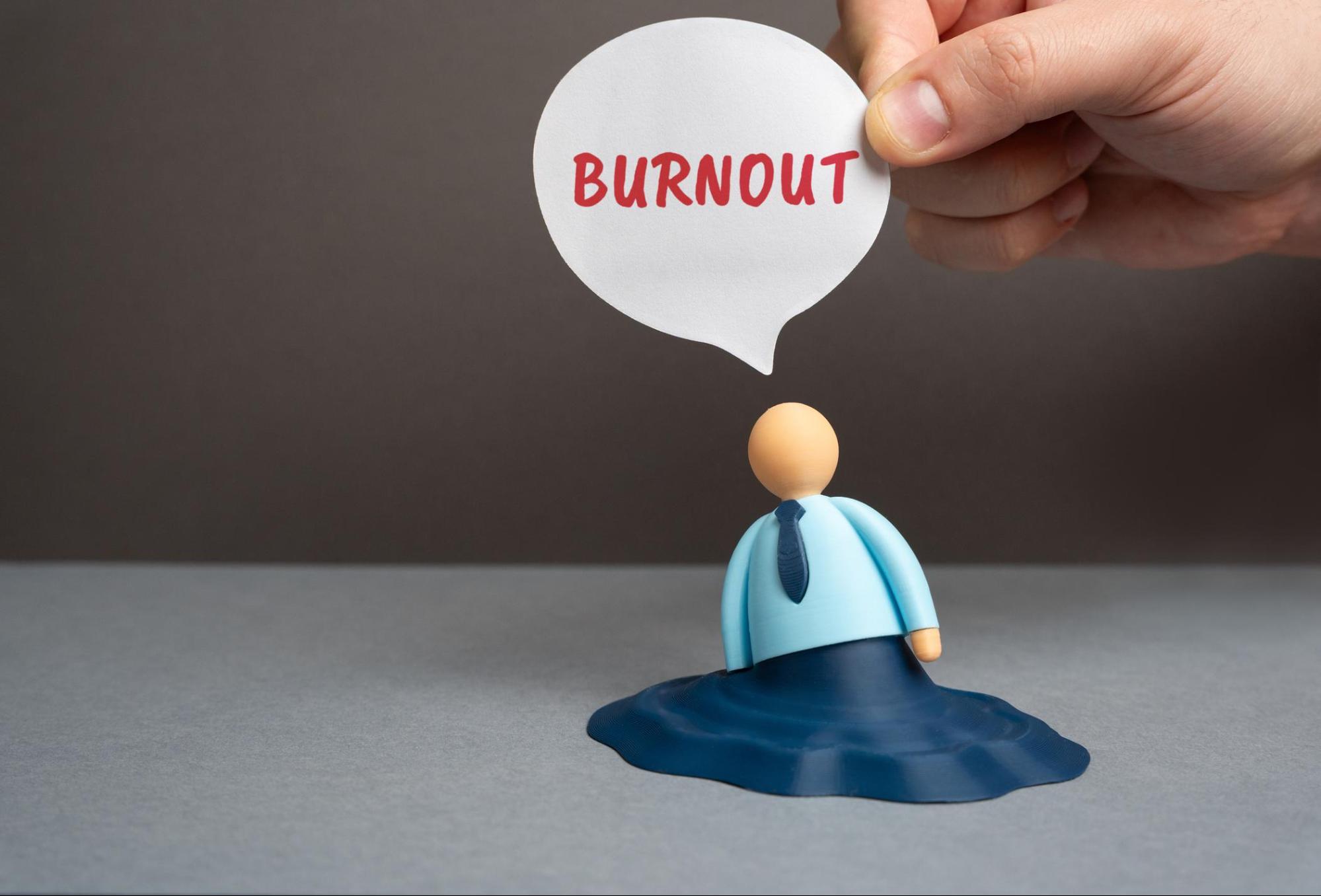
- Burnout
- Difficulty concentrating
Over time, nervous system overload may contribute to more serious mental health challenges.
Burnout is increasingly recognized as both a workplace issue and a public health concern.
The Role of Technology and Modern Lifestyle

Modern technology has dramatically changed how humans experience stress.
Today’s environment includes:
- Constant notifications
- 24/7 work connectivity
- Information overload
- Social comparison
- Continuous stimulation
- Reduced recovery time
Even during rest periods, the brain often remains highly stimulated through:
- Smartphones
- Streaming platforms
- Social media
- News cycles
Researchers increasingly believe this constant cognitive activation contributes to chronic nervous system stress.
Why Stress Often Becomes Invisible
One reason chronic stress is so dangerous is that many people normalize it.
Common statements include:
- “I’m just busy.”
- “Everyone is stressed.”
- “I’ll rest later.”
- “This is normal.”
Over time, people may adapt psychologically to chronic stress without recognizing how significantly it affects:
- Energy
- Mood
- Sleep
- Focus
- Physical health
Stress often accumulates gradually rather than appearing suddenly.
The High-Functioning Stress Problem
Many chronically stressed individuals continue functioning outwardly:
- Going to work
- Meeting responsibilities
- Maintaining productivity
This can mask underlying physiological exhaustion.
High-functioning stress may still involve:
- Elevated cortisol patterns
- Emotional fatigue
- Poor recovery
- Sleep disruption
- Reduced resilience
Productivity does not necessarily equal wellness.
Can Cortisol Levels Actually Be Tested?

Cortisol can be measured through:
- Blood tests
- Saliva testing
- Urine testing
However, interpreting cortisol is complex because levels naturally fluctuate throughout the day.
Experts caution against oversimplified social media trends claiming every symptom is caused by “high cortisol.”
Self-diagnosis based solely on online content can be misleading.
What Actually Helps Reduce Chronic Stress?
Stress management is not about eliminating stress entirely-which is impossible.
The goal is improving recovery, resilience, and nervous system regulation.
Research-Supported Strategies:
- Sleep Optimization – One of the strongest regulators of stress physiology.
- Physical Activity – Helps regulate mood and stress hormones.
- Social Connection – Strong relationships improve resilience.
- Mindfulness Practices – Meditation, journaling, yoga, and breathwork may help.
- Reducing Constant Stimulation – Less multitasking and notification overload.
- Therapy & Mental Health Support – Professional guidance can help manage chronic emotional stress.
Nutrition and Stress
Nutrition also affects stress resilience.
Balanced diets rich in:
- Protein
- Fiber
- Omega-3 fats
- Micronutrients
may better support nervous system function.
Meanwhile, chronic stress often increases cravings for:
- Sugar
- Highly processed foods
- Alcohol
- Excess caffeine
These habits may worsen long-term stress regulation.
The Future of Stress Medicine

Healthcare is increasingly recognizing chronic stress as a major factor in long-term disease risk.
Researchers continue exploring:
- Nervous system regulation
- Stress biomarkers
- Gut-brain connections
- Trauma physiology
- Personalized mental healthcare
Future healthcare may place greater emphasis on preventing stress-related illness rather than simply treating disease after it develops.
Final Thoughts
Cortisol itself is not the enemy. It is an essential survival hormone designed to help humans respond to challenges.
The real problem emerges when modern lifestyles keep the body trapped in a near-constant state of stress activation without adequate recovery.
Chronic stress is increasingly linked to many of the most common health struggles of modern life:
- Burnout
- Sleep disruption
- Anxiety
- Metabolic dysfunction
- Inflammation
- Emotional exhaustion
While stress may be unavoidable, chronic overload should not become normalized.
Conclusion
Protecting long-term health increasingly requires more than simply managing productivity.
It also requires protecting:
- Recovery
- Mental well-being
- Sleep quality
- Emotional resilience
- Nervous system balance
In an increasingly demanding world, managing stress is no longer just about feeling better-it is one of the most important investments in long-term health.