

Menopause & Metabolic Health: What Every Woman Over 40 Should Know
For many women, midlife health changes can feel confusing, frustrating, and unexpectedly intense.
Weight gain appears despite unchanged habits. Sleep becomes less predictable. Energy fluctuates. Stress feels harder to manage. Recovery slows down. Mood shifts become more noticeable.
And many women begin wondering:
“What is happening to my body?”
In 2026, growing awareness around menopause and metabolic health is finally changing how healthcare professionals, researchers, and society discuss women’s aging.
For decades, menopause was often treated narrowly as a reproductive transition primarily associated with hot flashes and irregular periods.
Today, scientists increasingly recognize menopause as a major metabolic, hormonal, neurological, and cardiovascular transition affecting nearly every system in the body.
This shift matters because women are spending a significant portion of their lives in postmenopausal health stages yet many still receive limited education or support around what these changes actually involve.
Understanding how menopause affects metabolism, body composition, sleep, energy, and long-term health is becoming essential for women navigating life after 40.
What Is Menopause?
Menopause officially occurs when a woman has gone 12 consecutive months without a menstrual period.
The transition leading up to menopause is called perimenopause, which can begin years earlier and involve fluctuating hormone levels.
These hormonal shifts primarily involve changes in:
- Estrogen
- Progesterone
- Testosterone
Menopause is a natural biological process not a disease.
However, the hormonal changes associated with it can significantly affect:
- Metabolism
- Sleep
- Appetite
- Body composition
- Mood
- Bone health
- Cardiovascular risk
The menopause experience varies widely between individuals. Some women experience mild symptoms, while others face major disruptions to daily life.
Why Metabolism Changes During Menopause
One of the most common concerns women report during midlife is unexpected weight gain or difficulty maintaining previous body composition.
Several biological factors contribute.
1. Hormonal Changes
Declining estrogen levels influence:
- Fat distribution
- Insulin sensitivity
- Appetite regulation
- Energy metabolism
Many women notice increased abdominal fat accumulation during and after menopause.
2. Muscle Loss With Age
Women naturally lose muscle mass gradually with aging, particularly if strength training and protein intake are insufficient.
Because muscle helps regulate metabolism, reduced muscle mass may lower overall energy expenditure.
3. Sleep Disruption
Poor sleep common during menopause may affect:
- Hunger hormones
- Blood sugar regulation
- Stress responses
- Recovery
4. Increased Stress Load
Midlife often includes:
- Career demands
- Caregiving responsibilities
- Financial pressure
- Emotional stress
Chronic stress may contribute to cortisol dysregulation and metabolic challenges.
Menopause Is About More Than Weight
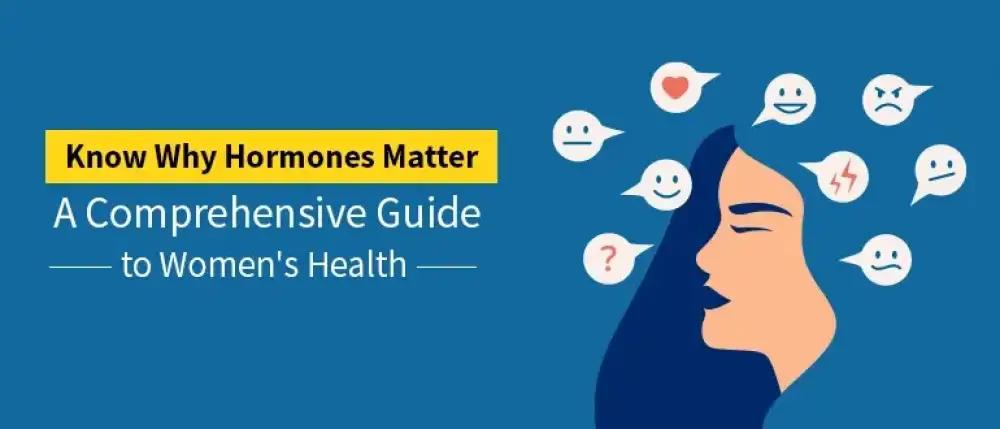
While weight gain receives enormous attention, menopause affects far more than body size.
Researchers increasingly study links between menopause and:
- Cardiovascular health
- Bone density
- Cognitive function
- Insulin resistance
- Inflammation
- Mood disorders
- Sleep quality
After menopause, women’s risk for:
- Heart disease
- Osteoporosis
- Metabolic syndrome
generally increases.
Many experts now emphasize menopause as a broader health transition rather than only a reproductive milestone.
The Sleep-Hormone Connection
Sleep disruption is one of the most overlooked aspects of menopause.
Many women experience:
- Night sweats
- Insomnia
- Frequent waking
- Anxiety-related sleep problems
- Reduced sleep quality
Poor sleep can then worsen:
- Hunger cravings
- Mood instability
- Fatigue
- Stress resilience
- Weight management
This creates a difficult cycle where hormonal changes and sleep disruption reinforce one another.
Why Midlife Stress Hits Differently
Women in midlife often face significant cumulative stress loads.
Common pressures include:
- Career responsibilities
- Parenting
- Caring for aging parents
- Financial demands
- Relationship shifts
- Health concerns
At the same time, hormonal changes may affect emotional regulation and stress sensitivity.
Many women report feeling:
- More emotionally reactive
- More exhausted
- Less resilient to stress
- Mentally overloaded
Researchers increasingly recognize the importance of nervous system health and stress management during menopause transitions.
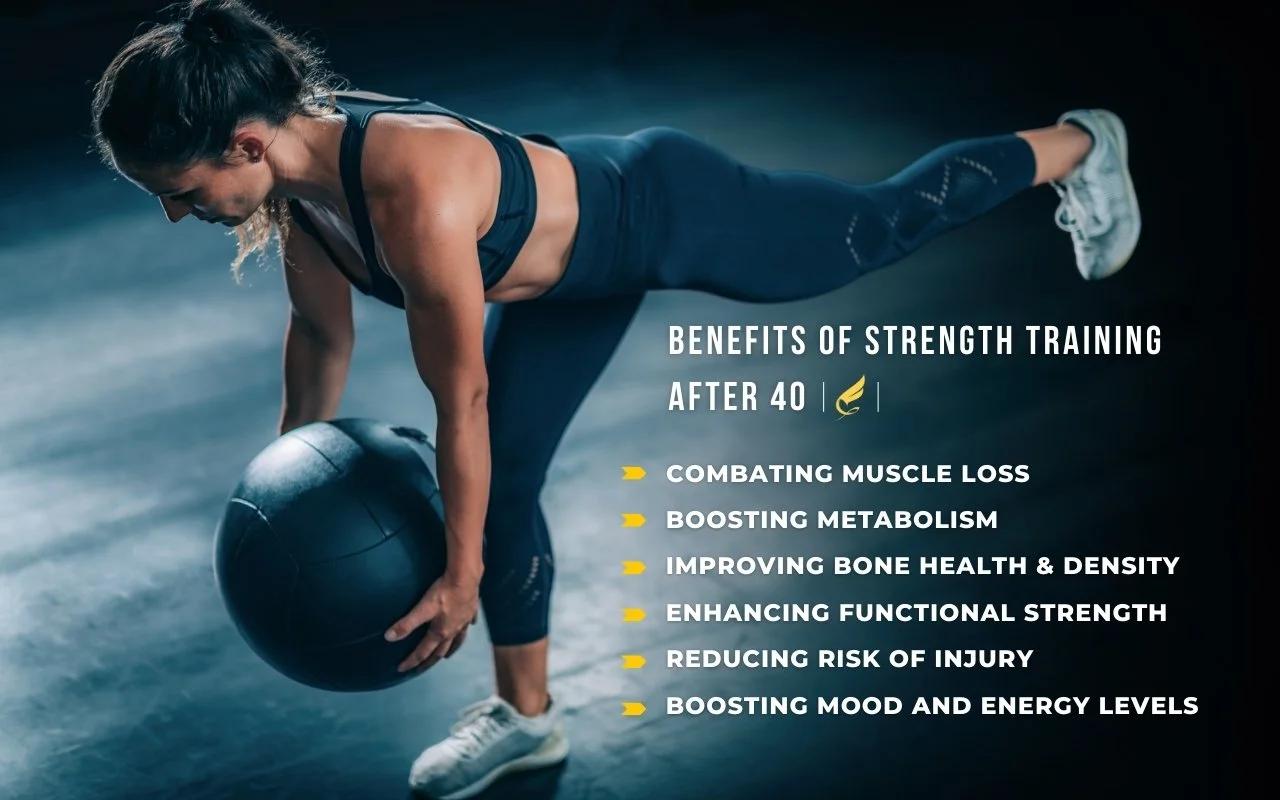
Muscle and Strength Become Critically Important

One of the biggest shifts in modern menopause science is the growing focus on muscle preservation.
Strength training is increasingly recommended because muscle supports:
- Metabolism
- Blood sugar regulation
- Bone density
- Mobility
- Long-term independence
Many experts now consider resistance training one of the most important health interventions for women over 40.
The conversation is shifting from simply “getting smaller” toward:
- Building strength
- Supporting metabolic health
- Improving long-term resilience
Nutrition During Menopause
Extreme dieting often becomes less effective and potentially more harmful during menopause transitions.
Experts increasingly recommend focusing on:
- Protein intake
- Fiber-rich foods
- Blood sugar stability
- Healthy fats
- Nutrient density
Protein becomes especially important for:
- Muscle preservation
- Satiety
- Recovery
Meanwhile, highly processed foods and excessive alcohol may worsen:
- Sleep quality
- Inflammation
- Blood sugar instability
- Hot flashes for some individuals
Nutrition goals increasingly center around supporting energy, strength, recovery, hormonal balance, and long-term health.
The Mental Health Component
Hormonal fluctuations may also influence:
- Anxiety
- Mood changes
- Irritability
- Brain fog
- Emotional sensitivity
At the same time, societal attitudes toward aging women can contribute additional emotional pressure.
Many women report feeling:
- Dismissed medically
- Unprepared for menopause
- Frustrated by changing bodies
- Overwhelmed by conflicting health advice
Awareness and education are improving, but gaps in women’s health research and care still remain significant.
Hormone Therapy: A More Nuanced Conversation

Hormone replacement therapy (HRT), also called menopausal hormone therapy, remains a complex and individualized topic.
For some women, hormone therapy may help improve:
- Hot flashes
- Sleep
- Mood
- Bone protection
- Quality of life
However, risks and benefits vary depending on:
- Medical history
- Timing
- Cardiovascular risk
- Cancer history
- Individual health factors
Modern menopause care increasingly emphasizes individualized decision-making rather than one-size-fits-all recommendations.
What Actually Helps Most?
Despite endless wellness trends targeting women over 40, the strongest evidence still supports foundational health habits:
- Strength training
- Sleep prioritization
- Stress management
- Protein-rich nutrition
- Cardiovascular exercise
- Social support
- Preventive healthcare
Perfection is not necessary. Consistency matters far more than extreme approaches.
The Future of Women’s Midlife Health
One encouraging trend in 2026 is that menopause is finally receiving more scientific and public attention.
Researchers continue exploring:
- Hormonal aging
- Female metabolism
- Brain health
- Personalized menopause care
- Longevity for women
- Metabolic interventions
Digital health platforms, wearable technologies, and specialized women’s health clinics are also expanding menopause support globally.
The conversation is gradually shifting from:
Shame and silence
toward:
Education, empowerment, preventive health, and long-term wellness.
Final Thoughts
Menopause is not simply the end of reproductive years.
It is a major biological transition affecting metabolism, sleep, muscle, cardiovascular health, emotional well-being, and long-term aging.
For many women, the experience can feel physically and emotionally overwhelming especially when expectations and education have been limited.
Modern research increasingly shows that women can support metabolic and overall health during this stage through:
- Strength-focused exercise
- Balanced nutrition
- Sleep support
- Stress management
- Preventive healthcare
- Individualized medical guidance
The goal is not to fight aging or pursue unrealistic perfection. The goal is building strength, resilience, energy, and long-term health during one of the most important transitions in a woman’s life.