The New Sleep Science: Chronotypes, Sleep Debt & Recovery
Sleep is no longer viewed as simply “rest.”
In 2026, sleep science has become one of the fastest-growing areas of health research, with scientists increasingly recognizing sleep as a foundational biological system influencing nearly every aspect of human health.
Modern research now links sleep quality and circadian regulation to:
- Brain function
- Metabolism
- Immune health
- Emotional resilience
- Cardiovascular risk
- Longevity
- Athletic recovery
- Mental performance
At the same time, modern lifestyles are disrupting sleep more than ever before.
Artificial lighting, shift work, digital overstimulation, social schedules, late-night screen exposure, and chronic stress have created what many researchers describe as a global sleep crisis.
The central message of modern sleep science is increasingly clear: Sleep is not passive downtime-it is one of the body’s most important active recovery systems.
Why Sleep Matters More Than Previously Thought
For many years, sleep was often sacrificed in favor of:
- Productivity
- Work demands
- Social schedules
- Entertainment
- Hustle culture
Today, researchers understand that insufficient sleep affects far more than energy levels.
Chronic sleep disruption may contribute to:
- Weight gain
- Anxiety
- Depression
- Diabetes
- Heart disease
- Impaired immunity
- Cognitive decline
- Hormonal imbalance
Even modest sleep restriction can negatively affect:
- Reaction time
- Focus
- Decision-making
- Emotional regulation
In many cases, sleep deprivation impairs performance similarly to alcohol intoxication.
What Are Chronotypes?

One of the biggest developments in sleep science is growing understanding of chronotypes.
Chronotypes refer to natural biological preferences for sleep and wake timing.
People do not all operate on identical internal schedules.
Common Chronotype Patterns:
- Morning-oriented (“Larks”)
- Evening-oriented (“Owls”)
- Intermediate patterns
Chronotypes are influenced partly by genetics and circadian biology.
This helps explain why:
- Some people naturally wake early and feel energetic in the morning
- Others feel mentally sharper later in the day
Modern society often rewards early schedules, even though not everyone’s biology aligns with them equally.
Why Chronotypes Matter
Chronotype research suggests that forcing individuals into schedules misaligned with their biology may affect:
- Productivity
- Mood
- Cognitive performance
- Sleep quality
- Long-term health
Examples:
- A natural night owl forced into very early schedules may experience chronic sleep deprivation
- A morning-oriented person may struggle during late-night work demands
Researchers increasingly explore whether:
- School schedules
- Workplace timing
- Shift systems
should better account for biological sleep variation.
Understanding Sleep Debt
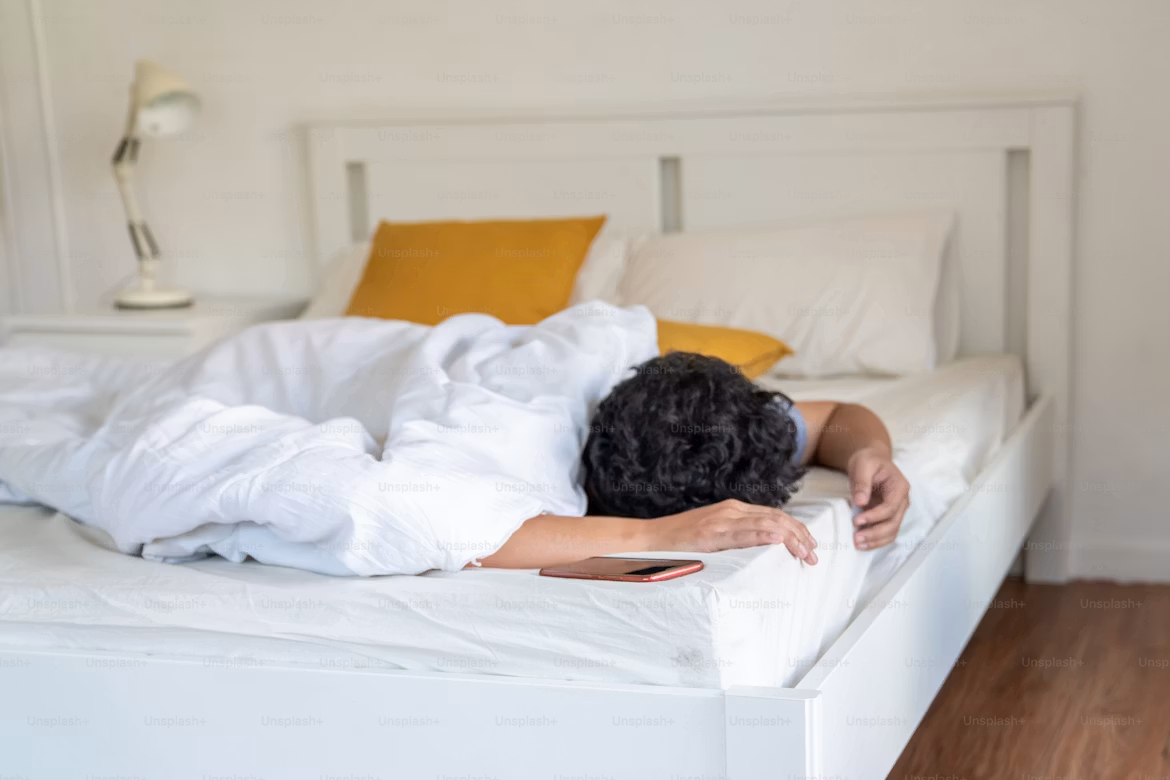
Sleep debt refers to the cumulative effect of insufficient sleep over time.
Many people believe they can adapt fully to sleeping too little consistently.
Research suggests otherwise. Even small nightly deficits can accumulate gradually.
Example:
Losing 1-2 hours of sleep nightly for several weeks may significantly affect performance and recovery.
Common Symptoms of Sleep Debt:
- Fatigue
- Brain fog
- Irritability
- Poor concentration
- Increased cravings
- Reduced motivation
Many chronically sleep-deprived individuals normalize these symptoms without realizing how impaired they have become.
Can Sleep Debt Be Recovered?
Recovery sleep can help restore some cognitive and physical function, but it is not always a perfect reset.
Weekend oversleeping may partially help, but inconsistent sleep schedules can also disrupt circadian rhythms further.
Researchers increasingly emphasize:
- Consistent sleep timing
- Adequate nightly sleep
- Long-term sleep quality
rather than relying solely on occasional recovery sleep.
Long-term sleep habits matter more than occasional catch-up sleep.
The Circadian Rhythm System
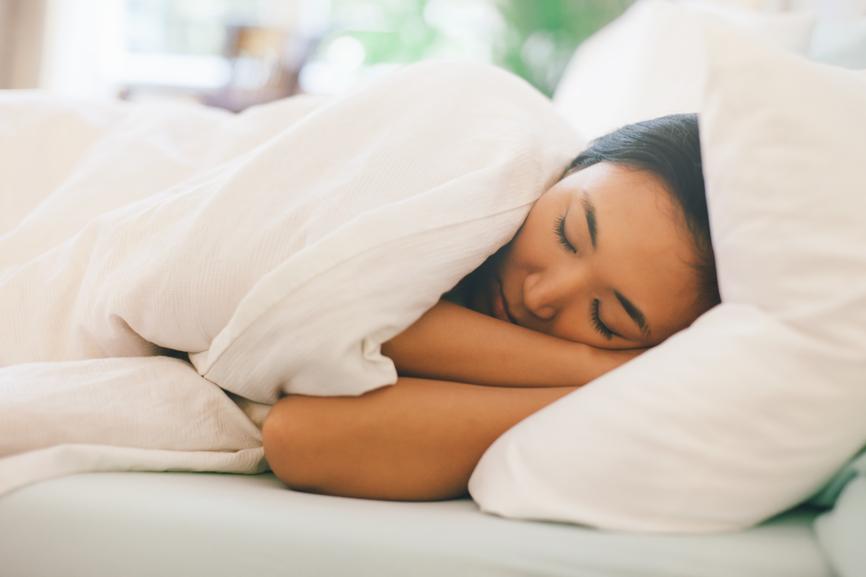
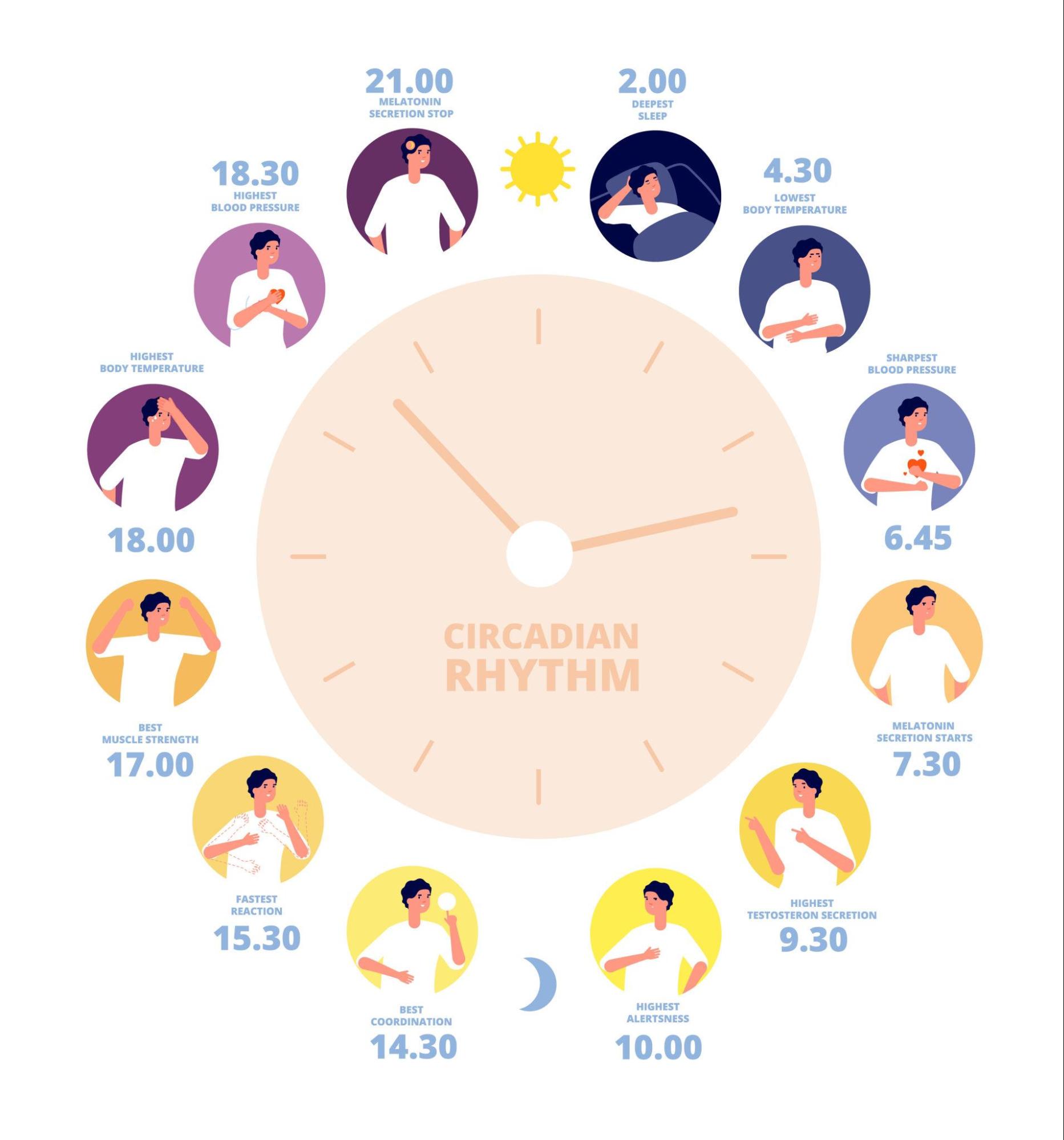
Sleep is closely tied to circadian rhythms-internal biological clocks regulating:
- Sleep-wake cycles
- Hormone release
- Body temperature
- Metabolism
- Alertness
Light exposure plays a major role in circadian regulation.
Natural sunlight helps signal wakefulness, while darkness promotes melatonin production and sleep readiness.
Modern lifestyles often disrupt this system through:
- Late-night screen exposure
- Artificial lighting
- Irregular schedules
- Shift work
This mismatch between biology and environment is sometimes called social jet lag.
Why Screens and Technology Affect Sleep
Digital technology has become one of the largest modern sleep disruptors.
Factors Include:
- Blue light exposure
- Constant notifications
- Emotional stimulation
- Endless scrolling
- Late-night work culture
Smartphones and streaming platforms keep many people mentally activated late into the night.
This may delay:
- Melatonin release
- Sleep onset
- Deep sleep quality
The brain often struggles to transition fully into recovery mode after prolonged stimulation.
Sleep and Mental Health
Sleep and mental health are deeply interconnected.
Poor sleep may worsen:
- Anxiety
- Depression
- Emotional instability
- Stress resilience
At the same time, mental health struggles often disrupt sleep quality further.
Researchers increasingly view sleep as both a symptom and a driver of broader psychological well-being.
Sleep and Physical Recovery

Athletes and performance experts increasingly prioritize sleep as a recovery tool.
Sleep supports:
- Muscle repair
- Hormonal balance
- Memory consolidation
- Immune recovery
- Physical restoration
Insufficient sleep may impair:
- Athletic performance
- Injury recovery
- Strength adaptation
- Endurance
- Coordination
This is why elite sports organizations increasingly inves`t in sleep optimization programs.
How Much Sleep Do Most Adults Need?
Individual needs vary, but most adults generally require approximately:
7-9 Hours Per Night
However, quality matters as much as quantity.
Someone spending 8 hours in bed with highly fragmented sleep may still experience poor recovery.
Practical Ways to Improve Sleep Recovery
- Maintain Consistent Sleep Timing – Supports circadian stability.
- Increase Morning Light Exposure – Helps regulate biological clocks.
- Reduce Late-Night Screen Exposure – Supports melatonin production.
- Manage Stress – Relaxation practices help recovery.
- Limit Evening Caffeine & Alcohol – Both can disrupt sleep quality.
- Optimize Your Sleep Environment – Cool, dark, quiet spaces support better sleep.
Modern sleep science emphasizes sustainable habits-not perfection.
The Rise of Sleep Technology
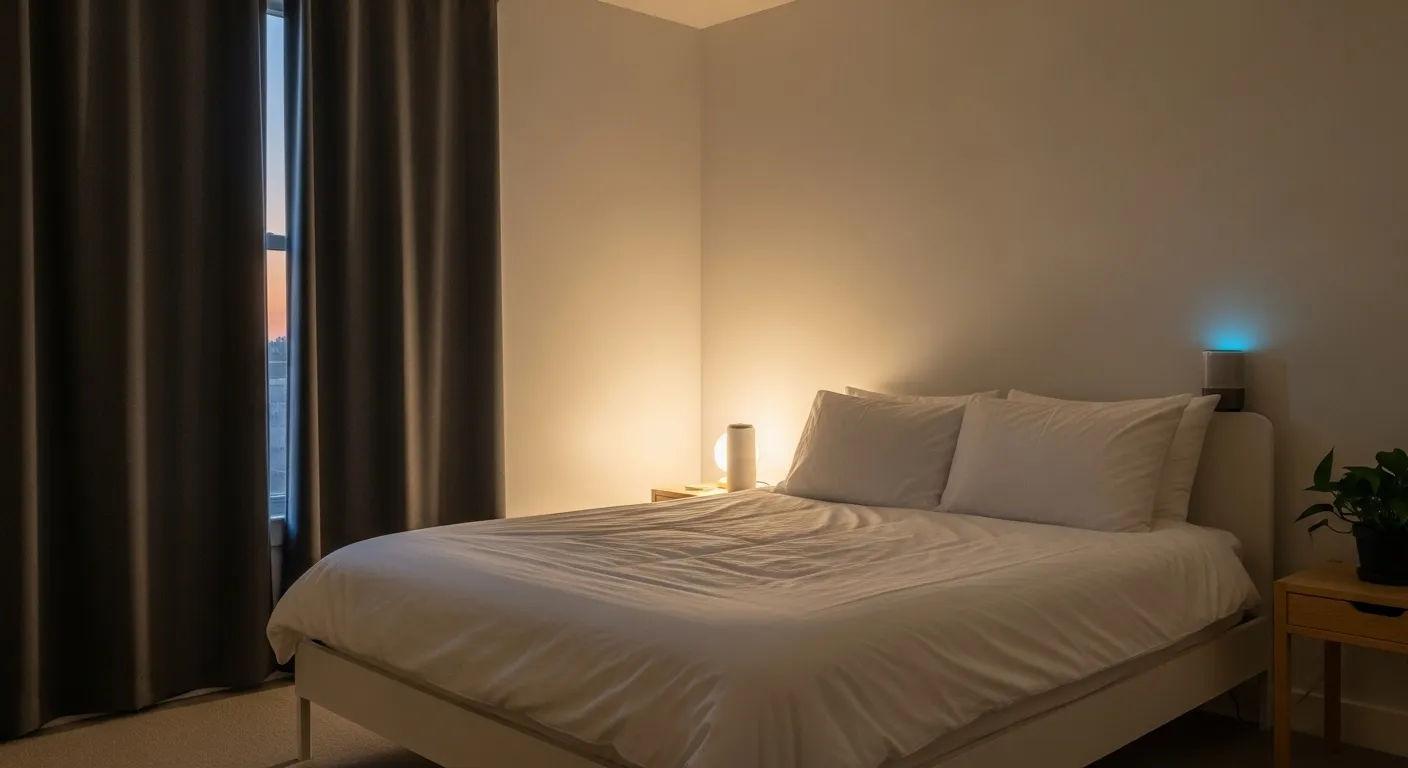
Sleep tracking devices are becoming increasingly common.
Wearables now monitor:
- Sleep stages
- Heart rate variability
- Recovery metrics
- Breathing patterns
- Movement
While useful, experts caution against becoming overly obsessive about sleep data-a phenomenon sometimes called orthosomnia.
Sleep technology should support awareness, not create additional anxiety.
The Future of Sleep Science
Researchers continue exploring:
- Personalized sleep medicine
- Circadian biology
- Sleep and neurodegeneration
- AI-driven sleep optimization
- Shift-work health risks
- Sleep and metabolic disease
As science advances, sleep may become one of the most important pillars of preventive healthcare.
Final Thoughts
The new sleep science is reshaping how society understands recovery, performance, and long-term health.
Chronotypes reveal that people have different biological sleep preferences. Sleep debt highlights how chronic sleep restriction accumulates over time. Circadian research shows how modern lifestyles increasingly conflict with human biology.
Sleep is not wasted time. It is one of the body’s most essential systems for recovery, cognitive function, emotional stability, metabolic health, and long-term resilience.
Conclusion
In a world that often rewards constant productivity and stimulation, protecting sleep may become one of the most powerful health decisions people can make.
Prioritizing healthy sleep habits today can support:
- Better recovery
- Improved focus
- Stronger mental health
- Enhanced physical performance
- Long-term wellness
Modern sleep science continues to reinforce a simple truth: better sleep is one of the most effective investments in lifelong health.