
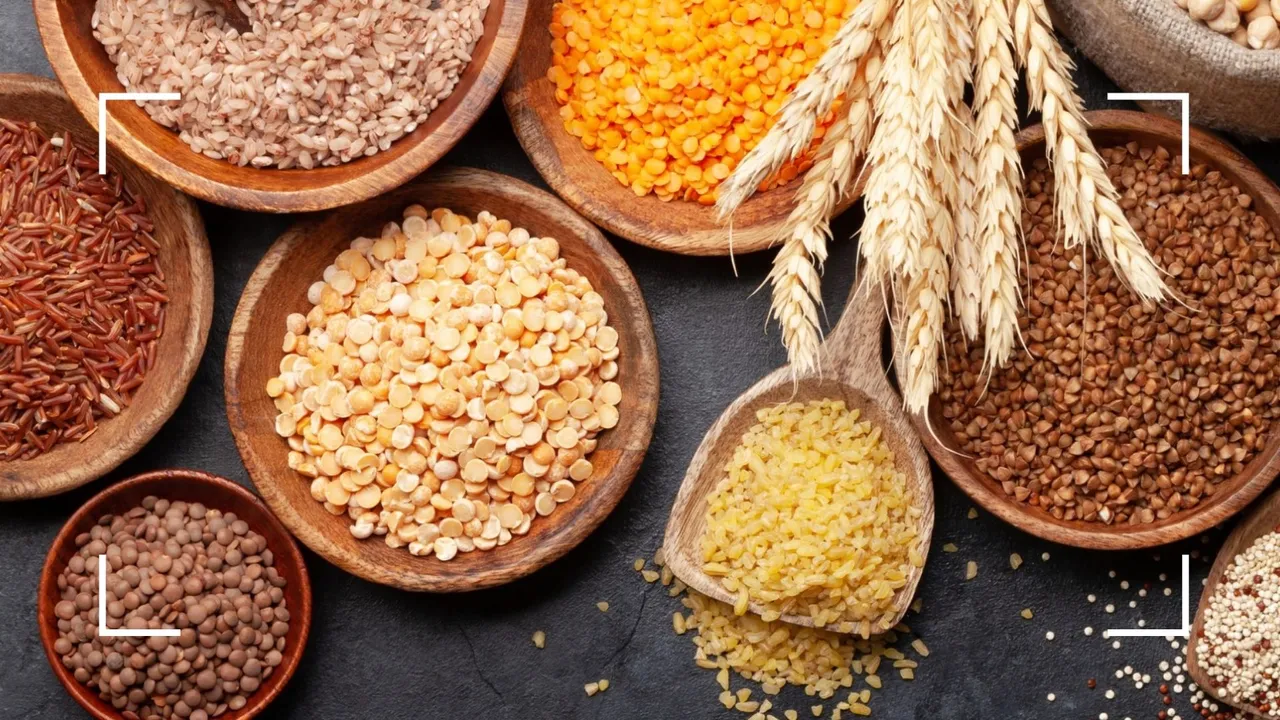
Why Nutrition Experts Are Rediscovering One of the World’s Oldest Superfoods
For centuries, millets have been a dietary staple across parts of India, Africa, and Asia. Long before modern
wellness trends emerged, communities relied on these nutrient-dense grains for energy, resilience, and overall
health.
Today, millets are experiencing a global resurgence.
From health food stores in the United States to wellness cafés in Europe and nutrition-focused meal plans
worldwide, millets are increasingly being recognized as a powerful ingredient for digestive wellness and
long-term health.
The growing interest isn’t just about ancient food traditions — it’s about science-backed
nutrition.
As consumers seek natural ways to support gut health, reduce highly processed foods, and diversify their diets,
millets are emerging as one of the most promising grains of 2026.
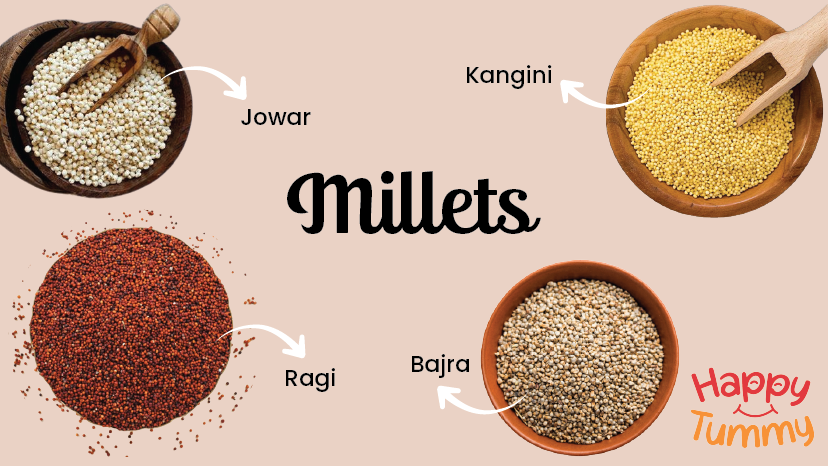
What Are Millets?
Millets are a group of small-seeded cereal grains that have been cultivated for thousands of years. Popular
varieties include:
Pearl Millet (Bajra)
- High fiber
- Energy support
- Rich in minerals
Finger Millet (Ragi)
- Excellent calcium source
- High nutrient density
- Very versatile
Foxtail Millet
- Great in grain bowls
- Salad base
- Light texture
Kodo Millet
- High dietary fiber
- Digestive support
- Whole-food nutrition
Little Millet
- Mild flavor
- Easy to cook
- Good iron content
Barnyard Millet
- Low glycemic
- Rich in fiber
- Fast-cooking
Unlike heavily refined grains, millets retain much of their natural fiber and micronutrient content, making them
a superior choice for digestive wellness.
Why Gut Health Matters More Than Ever
The digestive system influences much more than digestion alone. Research continues to highlight connections
between gut health and:
- Immune function
- Energy levels
- Metabolic health
- Inflammation response
- Mental well-being
Many health professionals now emphasize maintaining a diverse and balanced gut microbiome
through diet — and millets are an outstanding tool for that goal.
How Millets Support Gut Health
1. Rich in Dietary Fiber
One of the most important reasons millets are gaining attention is their fiber content. Dietary
fiber helps:
- Support regular digestion
- Promote satiety and fullness
- Assist healthy bowel function
- Feed beneficial gut bacteria
Did you know? Many modern diets fall short of recommended daily fiber intake (25–38
g/day). Adding one serving of millet can contribute 2–4 g of dietary fiber.
2. Supports a Healthy Gut Microbiome
Certain fibers found in millets may act as prebiotics — nourishment for beneficial
microorganisms in the digestive system. A healthy microbiome is associated with:
- Better digestion and nutrient absorption
- Stronger immune support
- Reduced digestive discomfort
3. Naturally Gluten-Free
Millets are naturally gluten-free. For individuals who avoid gluten due to medical necessity or
personal preference, millets provide a nutritious alternative to refined gluten-free products that may lack
fiber and nutrients. This has contributed significantly to their growing popularity in Western wellness markets.
Nutritional Benefits Beyond Digestion
Millets offer more than digestive support. They also provide:
- Plant-Based Protein — helpful for muscle maintenance and overall nutrition
- Essential Minerals — including Magnesium, Iron, Phosphorus, and Potassium
- B Vitamins — important for energy metabolism and cellular function
- Antioxidants — certain varieties contain beneficial plant compounds that support overall
wellness
Why Western Markets Are Embracing Millets
Several converging trends are driving millet adoption globally:
Growing Interest in Functional Foods
Consumers increasingly seek foods that provide benefits beyond basic nutrition. Millets align well with this
movement due to their fiber, nutrient density, and digestive health potential.
Demand for Sustainable Agriculture
Millets generally require less water, fewer agricultural inputs, and offer greater climate resilience. As
sustainability becomes a key purchasing factor, environmentally friendly crops are attracting growing attention.
Expansion of Global Cuisine
Consumers are becoming more adventurous and interested in traditional foods from different cultures. Millets fit
naturally into this trend, bringing centuries of culinary heritage into modern kitchens.
Rising Awareness of Whole Foods
Health-conscious shoppers are increasingly moving away from highly processed products and returning to minimally
processed ingredients — millets are a perfect fit.
Easy Ways to Add Millets to Your Diet
One reason millets are succeeding in Western markets is their remarkable versatility. They can
be used in:
- Breakfast Bowls — Replace refined cereals with cooked millet topped with fruit and nuts
- Salads — Use cooked millet as a nutrient-rich grain base
- Grain Bowls — Combine with vegetables, legumes, and lean proteins
- Soups and Stews — Add texture and nutritional value
- Baking — Incorporate millet flour into breads, muffins, and pancakes
Pro Tip: Most millet varieties cook in 15–20 minutes using a 1:2 grain-to-water ratio —
similar to rice or quinoa. Rinse before cooking for best results.
Common Myths About Millets — Debunked
MYTH 1
Millets are difficult to cook.
FACT
Most varieties can be prepared similarly to rice or quinoa — simply rinse, boil, and serve.
MYTH 2
Millets are only traditional foods with no place in modern diets.
FACT
Modern chefs and food brands worldwide are incorporating millets into contemporary recipes and packaged
products.
MYTH 3
Millets lack protein.
FACT
While not complete protein sources, many millet varieties contribute meaningful amounts of plant-based
protein per serving.
MYTH 4
Millets are just a passing wellness trend.
FACT
The combination of nutrition, sustainability, and culinary versatility suggests lasting relevance well beyond
temporary trends.
What Nutrition Experts Are Watching in 2026
The future of nutrition increasingly focuses on:
- Gut health optimization
- Fiber diversity in the diet
- Personalized nutrition approaches
- Sustainable food systems
- Whole-food dietary patterns
Millets align with every one of these trends. As consumers continue seeking nutrient-rich
alternatives to refined grains, millets are positioned to become a mainstream pantry staple rather than a niche
health food.
A Practical 4-Week Gut-Health Millet Plan
If you’re new to millets, this gradual approach makes it easy to build the habit:
| Week | Goal | How to Do It |
|---|---|---|
| Week 1 | Introduction | Replace one rice-based meal with cooked millet |
| Week 2 | Expand Usage | Add millet to salads or lunch grain bowls |
| Week 3 | Morning Routine | Try warm millet porridge for breakfast with fruit |
| Week 4 | Baking Experiment | Swap a portion of regular flour for millet flour in baking |
Gradual changes often lead to more sustainable and enjoyable dietary habits. By week four, most people notice
they naturally reach for millets without a second thought.
Conclusion
Millets may be ancient grains, but their relevance has never been more modern.
As Western consumers prioritize gut health, whole-food nutrition, sustainability, and digestive
wellness, millets are emerging as one of the most compelling grain choices of 2026.
Rich in fiber, naturally gluten-free, nutrient-dense, and highly versatile, millets offer benefits that extend
far beyond a single food trend.
For individuals seeking better digestive health and more balanced nutrition, incorporating millets into everyday
meals may be a simple yet meaningful step toward long-term wellness.
The future of healthy eating may not require discovering something new — it may simply involve
rediscovering something ancient.
Ready to Start Your Millet Journey?
Try replacing just one meal this week with millet and experience the gut-health difference for yourself.
Share your experience in the comments below!
Save this article to revisit your 4-week millet plan anytime.