
Introduction: Why Sleep Quality Matters More Than Ever
In 2026, people are more exhausted than ever—not just physically, but mentally.
Modern lifestyles filled with:
- Screen exposure
- Stress
- Irregular schedules
- Late-night scrolling
- Digital overload
are disrupting healthy sleep patterns worldwide.
As a result, many people sleep for 7-8 hours but still wake up feeling tired.
This has led to growing interest in a wellness trend called:
Sleep Syncing
Unlike basic sleep advice, sleep syncing focuses on aligning your daily routine with your body’s natural biological clock for deeper, more restorative rest.
This guide explains:
- What sleep syncing is
- Why it matters
- How it works
- Simple ways to improve your sleep naturally
What is Sleep Syncing?

Sleep syncing means aligning your sleep schedule with your circadian rhythm—your body’s natural internal clock.
Your circadian rhythm controls:
- Sleep and wake cycles
- Energy levels
- Hormones
- Digestion
- Mental alertness
The body naturally prefers consistency.
When your routine constantly changes, your internal clock becomes disrupted.
Why Sleep Problems Are Increasing in 2026
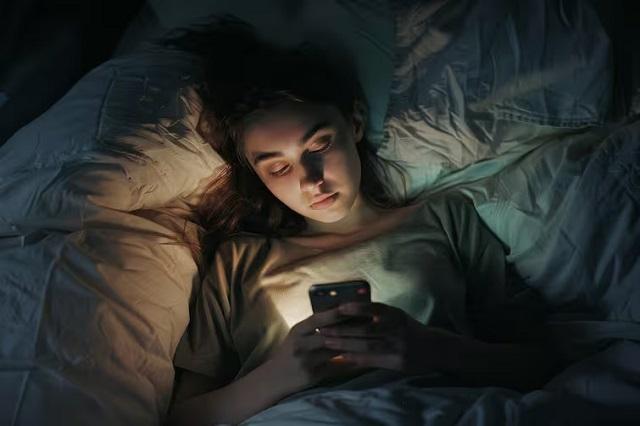
Modern habits often work against natural sleep patterns.
Common Sleep Disruptors:
- Blue light from screens
- Irregular sleep schedules
- Night-time scrolling
- Stress and anxiety
- Excess caffeine
- Late-night work culture
Many people are sleeping, but not recovering properly.
How Sleep Syncing Works
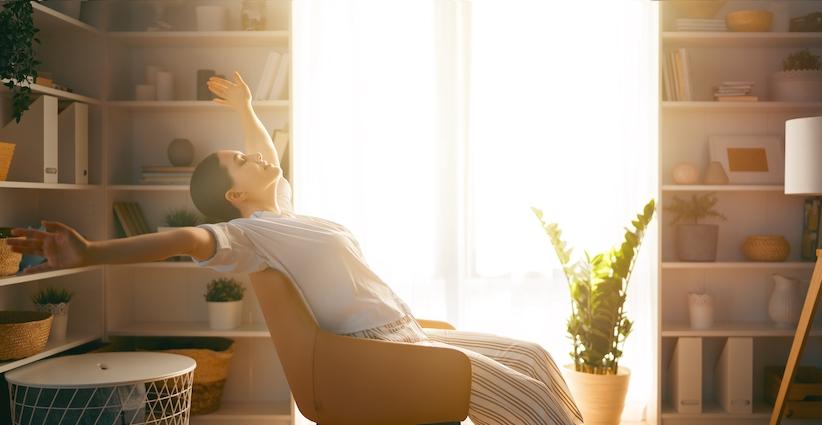
Sleep syncing focuses on consistency and rhythm.
Instead of only asking:
“How many hours did you sleep?”
it asks:
“When and how consistently are you sleeping?”
The goal is to train your body to expect:
- Sleep
- Wake-up times
- Meal timing
- Light exposure
at predictable intervals.
Benefits of Sleep Syncing
-
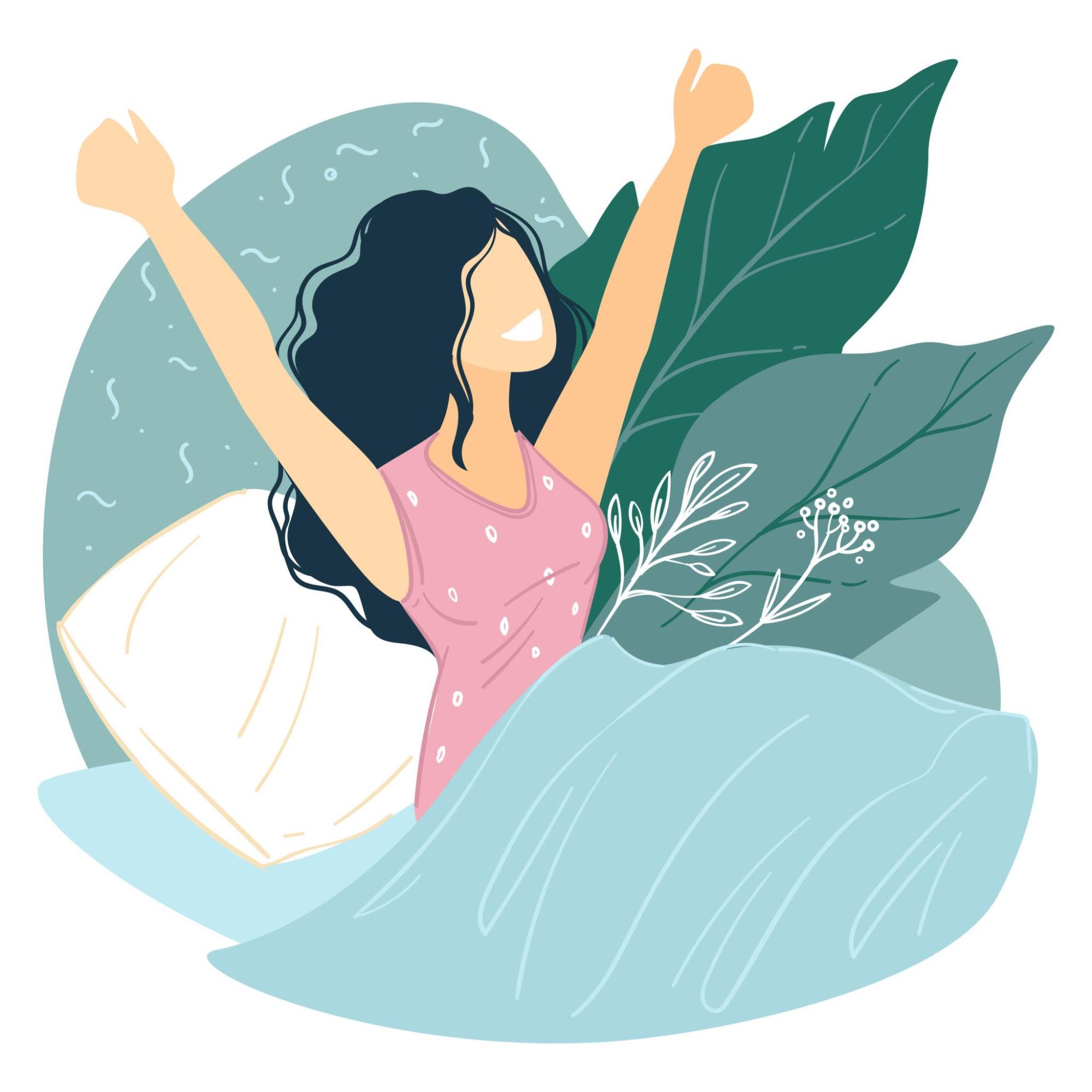
Deeper Sleep Quality
Consistent sleep timing may improve sleep efficiency and recovery. -
Better Energy Levels
Your body functions better with stable biological rhythms. -
Improved Mental Clarity
Quality sleep supports:- Focus
- Memory
- Mood regulation
-
Better Hormonal Balance
Sleep strongly affects:- Stress hormones
- Hunger hormones
- Recovery processes
-
Reduced Stress & Anxiety
Better rest supports emotional stability.
Signs Your Sleep Rhythm May Be Disrupted
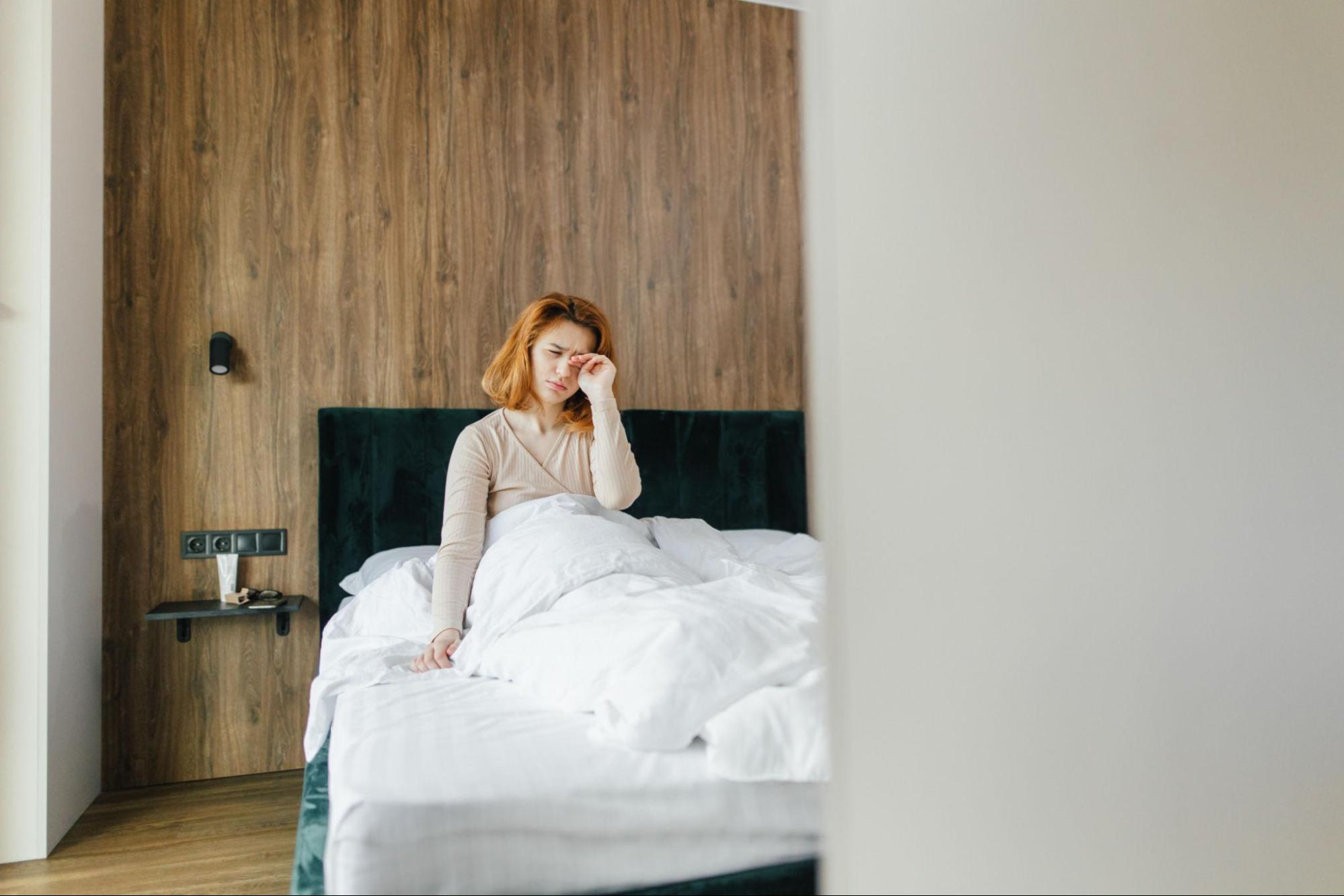
Common Signs:
- Waking up tired
- Brain fog
- Difficulty sleeping
- Afternoon crashes
- Mood swings
- Poor concentration
These may indicate circadian rhythm disruption.
How to Start Sleep Syncing

-
Wake Up at the Same Time Daily
Consistency is more important than perfection.
Even weekends matter. -
Get Morning Sunlight
Natural light helps regulate your body clock.
Aim for 10-20 minutes of morning sunlight exposure. -
Reduce Screen Exposure at Night
Blue light may suppress melatonin production.- Night mode
- Dim lighting
- Less scrolling before bed
-
Create a Wind-Down Routine
Your brain needs signals that sleep is approaching.- Reading
- Stretching
- Journaling
- Calm music
-
Avoid Heavy Meals Late at Night
Late-night eating may affect sleep quality.
Sleep Syncing and Mental Health

Sleep and mental wellness are deeply connected.
Poor sleep may increase:
- Anxiety
- Irritability
- Emotional stress
- Brain fog
Meanwhile, healthy sleep supports:
- Emotional regulation
- Stress recovery
- Mental resilience
Sleep is foundational to wellness.
Technology & Sleep Tracking in 2026
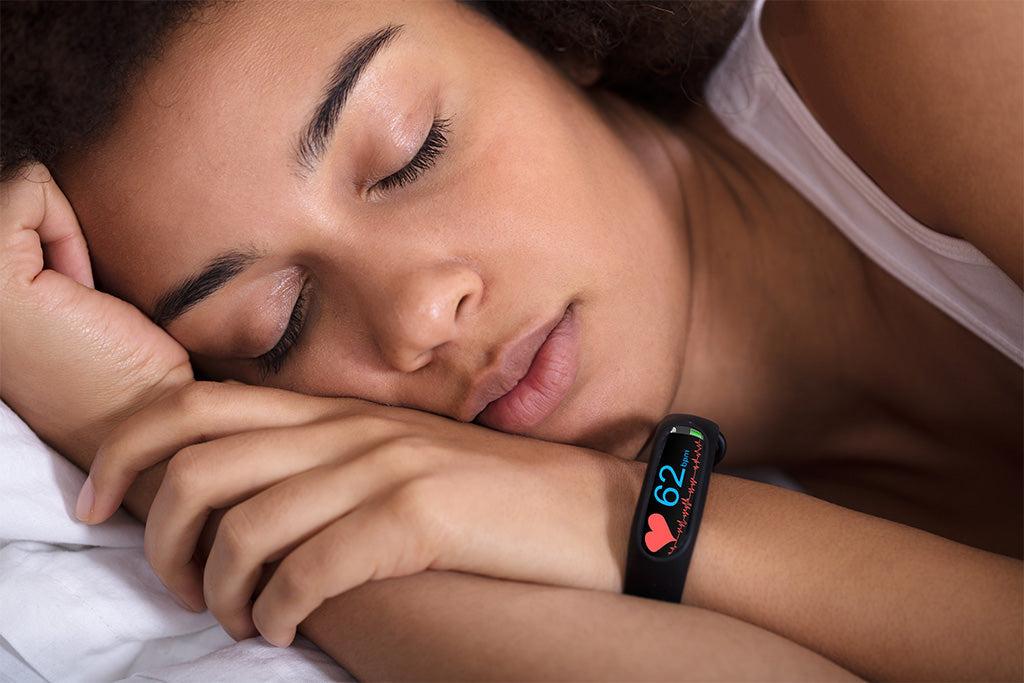
Many people now use:
- Smartwatches
- Sleep apps
- Wearables
to monitor:
- Sleep quality
- Sleep stages
- Recovery patterns
Technology can help—but obsession with data may increase stress. Balance matters.
Common Sleep Syncing Mistakes
- Chasing Perfect Sleep – Perfection creates anxiety.
- Sleeping at Random Times – Irregular timing confuses the body clock.
- Overusing Screens Before Bed – Constant stimulation delays sleep readiness.
- Excessive Caffeine – Late caffeine affects deep sleep.
A Simple Sleep Syncing Routine
Morning
- Wake up consistently
- Get sunlight
- Hydrate
Afternoon
- Avoid excessive caffeine late in the day
Evening
- Reduce screen time
- Eat lighter meals
- Relax before sleep
Small routines create long-term sleep improvements.
Who Can Benefit From Sleep Syncing?
Sleep syncing may help:
- Busy professionals
- Students
- Shift workers
- People with burnout
- Anyone struggling with low energy
Final Thoughts
Sleep syncing is not about sleeping more—it’s about sleeping smarter.
Deep rest comes from alignment:
- Consistent schedules
- Healthy routines
- Reduced digital overload
- Better recovery habits
In 2026, quality sleep is becoming one of the most important wellness priorities.
Conclusion
Sleep syncing is helping people rethink sleep beyond just “hours slept.”
By aligning your routine with your natural body clock, you may improve:
- Sleep quality
- Mental clarity
- Energy
- Emotional well-being
Deep rest often begins with consistent rhythms, not complicated hacks.