10 Mindfulness Exercises to Reduce Anxiety
Anxiety can feel overwhelming, but with regular practice of mindfulness, you can take control of your thoughts, emotions, and physical sensations. Mindfulness involves being present in the moment without judgment, which is especially beneficial for those in the USA and Canada dealing with the fast-paced demands of daily life. Mindfulness exercises can significantly reduce anxiety and stress, helping you regain a sense of calmness. Here are 10 mindfulness exercises to reduce anxiety and bring peace into your day.
Mindful Breathing
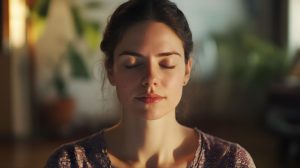
One of the simplest and most effective mindfulness exercises for reducing anxiety is mindful breathing. It’s a technique that helps focus your attention on your breath, bringing your mind back to the present moment.
How to Practice:
- Find a quiet space to sit or lie down.
- Take slow, deep breaths through your nose, filling your lungs completely.
- Hold the breath for a moment, then exhale slowly through your mouth.
- Focus on the sensation of the air entering and leaving your body. If your mind wanders, gently bring it back to your breathing.
Practicing mindful breathing for just five minutes a day can significantly reduce anxiety and help calm racing thoughts.
Body Scan Meditation
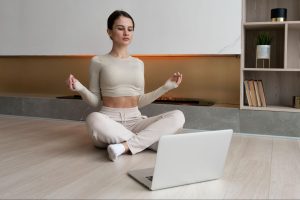
The body scan meditation helps you become aware of the different sensations in your body and can help release tension stored in muscles.
How to Practice:
- Sit or lie down in a comfortable position.
- Starting from your toes, focus your attention on each part of your body.
- Slowly work your way up, noticing sensations such as tension, warmth, or tingling in your legs, abdomen, arms, and head.
- As you focus on each area, consciously relax the muscles and let go of any tension.
This exercise brings awareness to your physical state, promoting relaxation and reducing anxiety.
5-4-3-2-1 Grounding Exercise
The 5-4-3-2-1 grounding technique helps bring you back to the present moment by focusing on your senses. It’s especially effective during anxiety attacks or periods of high stress.
How to Practice:
- Identify 5 things you can see around you.
- Identify 4 things you can feel (e.g., the chair you’re sitting on or your clothing).
- Identify 3 things you can hear.
- Identify 2 things you can smell.
- Identify 1 thing you can taste.
This technique redirects your focus from anxious thoughts to your physical environment, helping to ease the feeling of anxiety.
Mindful Walking
Walking meditation is a great way to combine movement with mindfulness, especially if sitting still feels difficult.
How to Practice:
- Walk at a slow, steady pace, paying attention to each step.
- Focus on how your feet feel as they touch the ground, the movement of your legs, and the rhythm of your breathing.
- Notice your surroundings, like the sounds of nature or the feel of the breeze.
- If your mind starts to wander, gently bring it back to the sensations of walking.
Mindful walking can reduce anxiety and help you feel more connected to your body and surroundings.
Loving-Kindness Meditation (Metta Meditation)
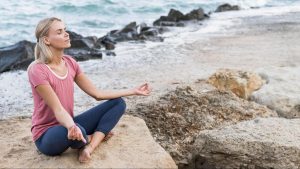
This practice involves focusing on sending positive energy and compassion to yourself and others. It’s a great way to reduce self-criticism and cultivate feelings of warmth and connection.
How to Practice:
- Sit comfortably and close your eyes.
- Take a few deep breaths, and silently repeat phrases such as, “May I be happy, may I be healthy, may I be free from anxiety.”
- After a few minutes, think of someone you care about and repeat similar phrases for them: “May you be happy, may you be healthy, may you be free from anxiety.”
- Gradually extend this loving-kindness to friends, acquaintances, and even difficult people in your life.
This exercise promotes self-compassion and reduces feelings of anxiety by replacing negative thoughts with kindness.
Mindful Eating

Mindful eating helps you slow down and appreciate your food, which can reduce stress and anxiety around meals.
How to Practice:
- Before eating, take a moment to appreciate your food’s colors, textures, and smells.
- As you eat, chew slowly and focus on the taste and texture of each bite.
- Pay attention to how your body feels as you eat, and stop when you feel satisfied.
Mindful eating helps you connect with your body’s hunger and fullness cues, reducing the anxiety associated with overeating or unhealthy eating patterns.
Progressive Muscle Relaxation

This technique involves tensing and then relaxing different muscle groups, which helps release physical tension that often accompanies anxiety.
How to Practice:
- Sit or lie down in a comfortable position.
- Starting with your toes, tense the muscles for 5-10 seconds, then release them.
- Move upwards through your body—calves, thighs, abdomen, arms, shoulders—tensing and relaxing each muscle group.
- Focus on the difference between the tension and the feeling of relaxation.
Progressive muscle relaxation helps relieve the physical symptoms of anxiety, like muscle tightness or headaches.
Mindful Journaling

Writing can be a powerful way to express and process anxious thoughts. Mindful journaling involves writing with full attention to the present moment and your current feelings.
How to Practice:
- Set aside 10-15 minutes each day to write.
- Write freely about your current emotions, without worrying about structure or grammar.
- Focus on how you feel in the present moment, and allow yourself to express any thoughts or worries.
Journaling helps reduce anxiety by externalizing your thoughts and offering a safe space for reflection.
Visualization

Visualization involves imagining a peaceful, calming place to help reduce stress and anxiety.
How to Practice:
- Close your eyes and imagine yourself in a relaxing place, such as a beach, forest, or mountain.
- Engage your senses: visualize the sights, sounds, smells, and sensations of this peaceful location.
- As you focus on this mental image, allow yourself to relax and feel a sense of calm.
This practice helps reduce anxiety by shifting your focus away from stressors and creating a mental escape.
Mindful Listening

Mindful listening involves focusing entirely on the sounds around you, which can help bring your mind back to the present moment.
How to Practice:
- Sit or lie down in a quiet place, close your eyes, and listen to the sounds around you.
- Focus on individual sounds, such as the wind, birds, or distant voices.
- Avoid judging or analyzing the sounds—simply observe them as they come and go.
Mindful listening helps anchor you to the present moment, reducing anxiety by shifting your focus from internal worries to external surroundings.
Summary
Mindfulness exercises are a simple yet effective way to reduce anxiety and bring calm into your life. Whether you choose mindful breathing, progressive muscle relaxation, or loving-kindness meditation, these practices help you manage anxiety by promoting relaxation, self-awareness, and mental clarity. Incorporating these mindfulness techniques into your daily routine can significantly improve your mental health, especially for those in the USA and Canada facing the stresses of modern life.