
Introduction: Why Your Eyes and Brain Feel Exhausted
In 2026, screens are unavoidable.
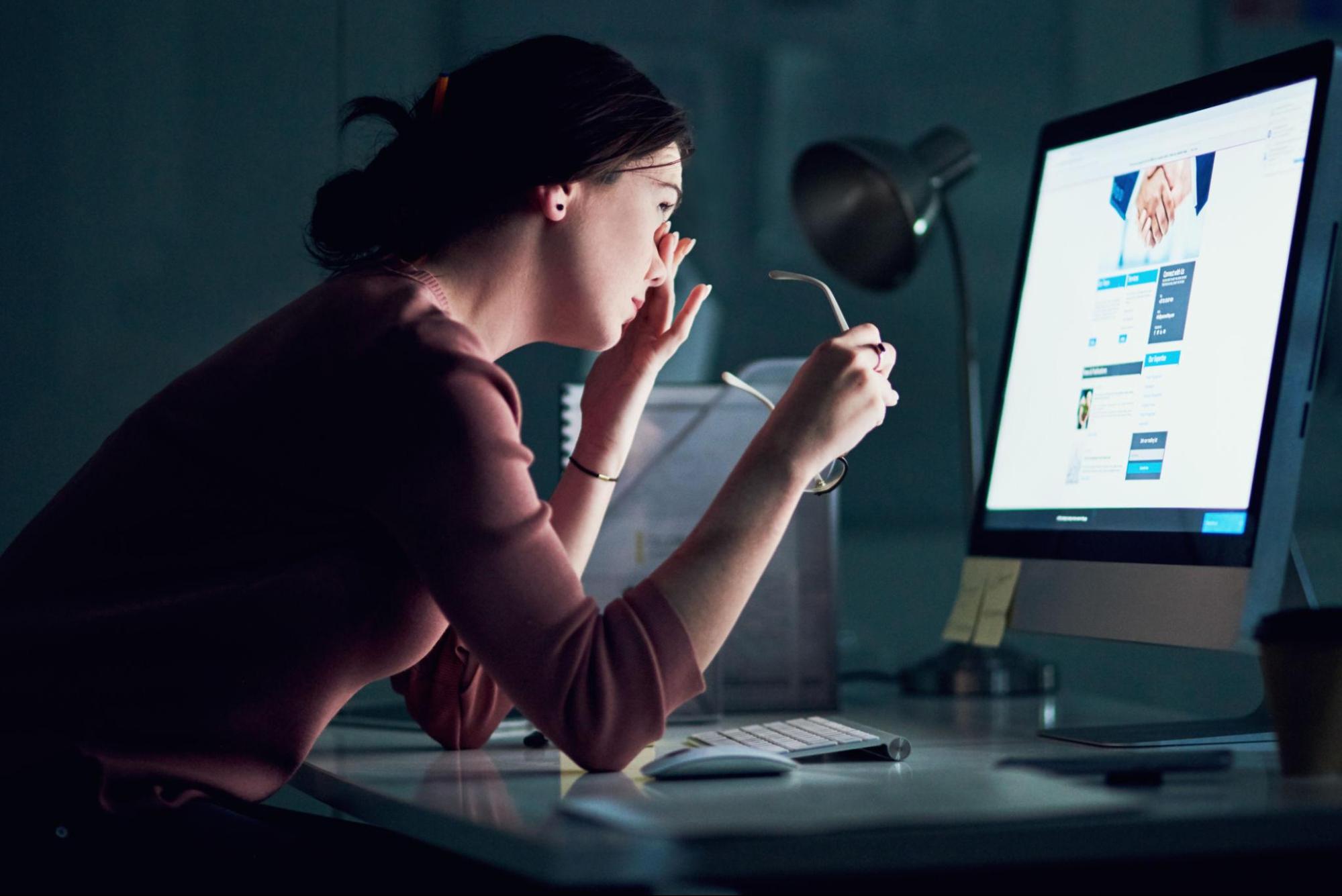
Whether you work remotely, scroll social media, attend online meetings, or binge-watch content, your eyes and brain are constantly exposed to digital stimulation.
As a result, many people experience:
- Tired eyes
- Headaches
- Brain fog
- Mental exhaustion
- Difficulty focusing
But here’s the important question:
Is it eye strain or screen fatigue?
Many people confuse these two conditions, even though they affect the body differently.
Understanding the difference can help you:
- Reduce discomfort
- Improve productivity
- Protect long-term health
Let’s break it down clearly.
What is Eye Strain?

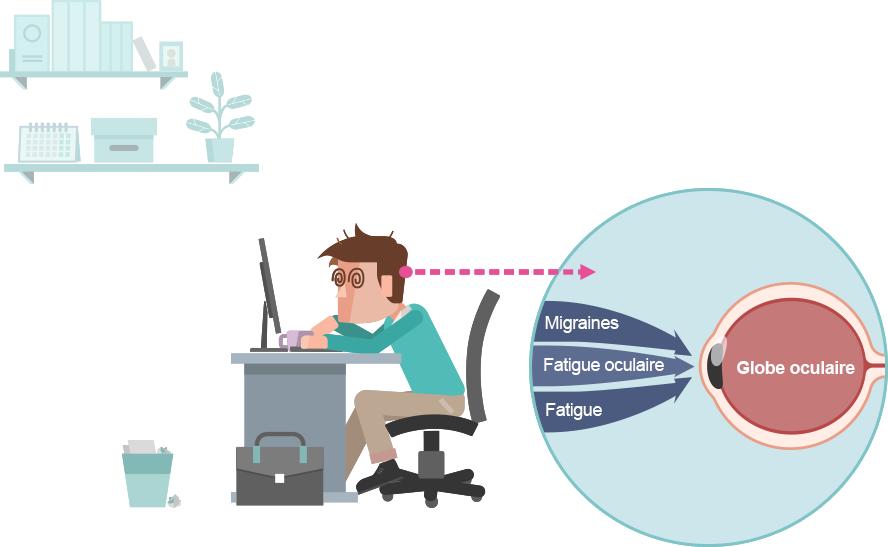
Eye strain—also called digital eye strain or computer vision syndrome—happens when your eyes work too hard for long periods.
It mainly affects:
- Your eyes
- Vision focus muscles
- Light sensitivity
Common Symptoms of Eye Strain
Physical Symptoms:
- Dry eyes
- Blurred vision
- Burning sensation
- Watery eyes
- Eye redness
Additional Symptoms:
- Headaches
- Difficulty focusing
- Sensitivity to light
Eye strain is mostly a physical eye problem caused by prolonged visual effort.
What is Screen Fatigue?

Screen fatigue is broader.
It affects:
- The brain
- Mental energy
- Focus
- Emotional state
It happens when prolonged screen exposure overwhelms your nervous system.
Common Symptoms of Screen Fatigue
Mental Symptoms:
- Brain fog
- Mental exhaustion
- Reduced concentration
- Irritability
- Low motivation
Physical Symptoms:
- Headaches
- Neck tension
- Fatigue even without physical work
Screen fatigue is more about mental overload than eye problems.
Key Difference: Eye Strain vs Screen Fatigue
| Eye Strain | Screen Fatigue |
|---|---|
| Affects the eyes directly | Affects the brain & energy |
| Dry or blurry eyes | Mental exhaustion |
| Vision discomfort | Brain fog |
| Usually physical | Mostly neurological/mental |
| Caused by visual focus | Caused by digital overload |
You can experience both at the same time.
Causes of Eye Strain
| Cause | Why it Contributes to Eye Strain |
|---|---|
| Staring at Screens Too Long | Long focus periods strain the muscles that control your eyes. |
| Poor Lighting | Bright or dim lighting makes your eyes work harder and increases stress. |
| Blue Light Exposure | Blue light from digital screens can cause discomfort and disrupt visual clarity. |
| Poor Screen Distance | Screens that are too close force your eyes to focus harder, increasing strain. |
Causes of Screen Fatigue
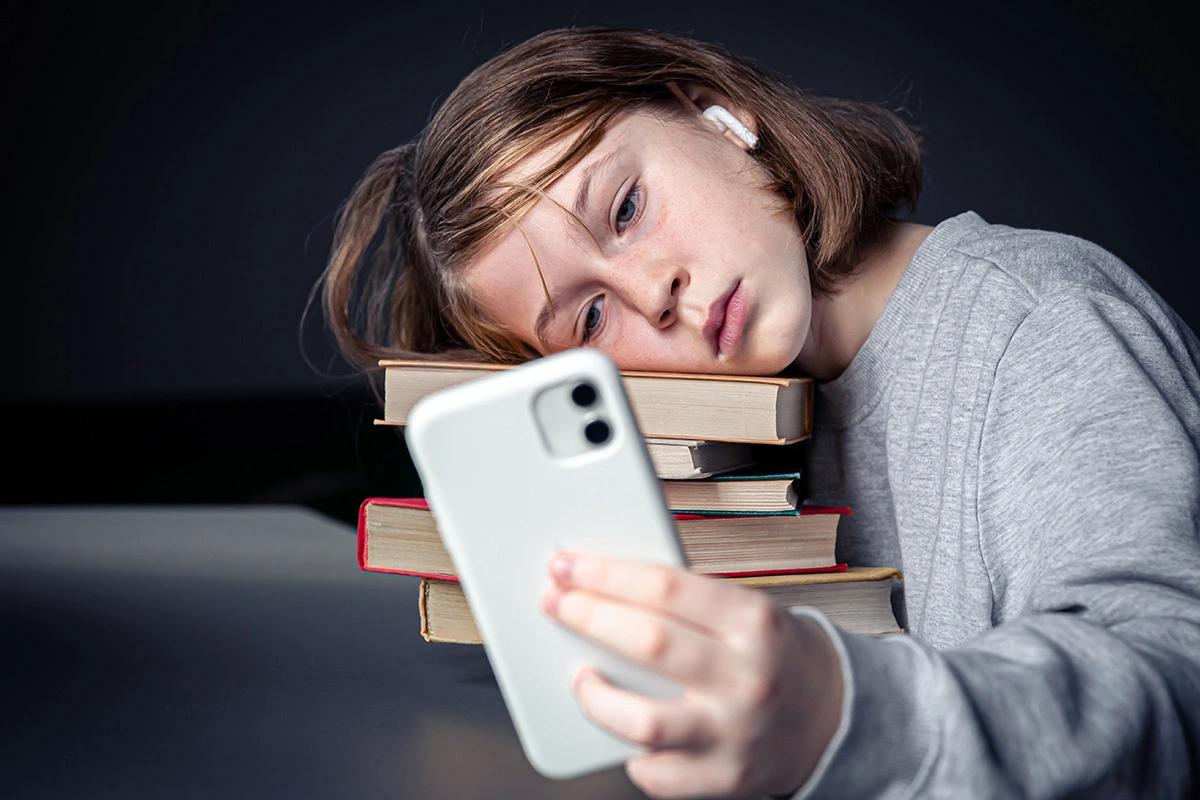
Common Causes:
- Constant Notifications
Your brain never fully relaxes. - Information Overload
Too much content consumes mental energy. - Multitasking
Switching between apps drains focus. - Lack of Real Breaks
Scrolling during breaks is not mental recovery.
How to Know Which One You Have
Signs You Have Eye Strain:
- Dry or burning eyes
- Blurred vision
- Trouble focusing visually
- Eye discomfort improves after rest
Signs You Have Screen Fatigue:
- Brain fog
- Mental tiredness
- Emotional exhaustion
- Lack of concentration
Many people have both without realizing it.
How to Reduce Eye Strain

-
Follow the 20-20-20 Rule
Every 20 minutes:
Look 20 feet away
For 20 seconds -
Blink More Often
People blink less while using screens. -
Adjust Screen Brightness
Match brightness with room lighting. -
Use Proper Screen Distance
Keep screens about arm’s length away. -
Reduce Blue Light Exposure
Use:- Night mode
- Blue light filters
- Glasses if needed
How to Reduce Screen Fatigue

-
Take Mental Breaks
Step away from screens completely. -
Reduce Multitasking
Focus on one task at a time. -
Limit Social Media Overload
Too much stimulation drains mental energy. -
Get Better Sleep
Sleep helps your brain recover from digital stress. -
Spend Time Offline
Nature and physical movement reduce mental fatigue.
Healthy Screen Habits for 2026
Build These Habits:
- Use screen breaks regularly
- Keep good posture
- Avoid screens before sleep
- Stay hydrated
- Balance digital and offline time
Prevention is easier than recovery.
When Should You See a Doctor?
Consult a professional if you experience:
- Persistent blurry vision
- Severe headaches
- Eye pain
- Chronic fatigue
- Sleep disruption
Final Thoughts
Modern life revolves around screens—but your health should still come first.
Understanding whether you’re dealing with:
- Eye strain
- Screen fatigue
- Or both
helps you manage symptoms effectively.
Conclusion
Eye strain and screen fatigue may seem similar, but they affect the body differently.
Eye strain affects your vision.
Screen fatigue affects your mental energy.
The solution is balance:
- Better screen habits
- More breaks
- Less digital overload
Your eyes and brain both need recovery.