
Introduction: Why Mental Health Matters More Than Ever
In 2026, mental health is finally receiving the attention it deserves.
People today are dealing with:
- Chronic stress
- Screen fatigue
- Anxiety
- Burnout
- Information overload
The challenge is that social media often promotes “quick fixes” that don’t actually help long-term mental wellness.
The good news? Research shows that certain habits genuinely improve mental health when practiced consistently.
This guide covers 5 research-backed mental health practices that actually work—simple habits supported by psychology, neuroscience, and wellness studies.
What Makes a Mental Health Practice Effective?

Effective mental health practices usually help:
- Reduce stress hormones
- Improve emotional regulation
- Increase resilience
- Support brain health
- Improve sleep and focus
The key is consistency—not perfection.
1. Regular Physical Activity

Exercise is one of the most researched mental health tools available.
Research Shows:
Regular movement can help reduce:
- Stress
- Anxiety
- Symptoms of depression
Why It Works:
Physical activity increases:
- Endorphins (“feel-good” chemicals)
- Blood flow to the brain
- Energy levels
Best Activities:
- Walking
- Yoga
- Cycling
- Strength training
Even 20–30 minutes daily can make a difference.
2. Quality Sleep

Sleep and mental health are deeply connected.
Poor sleep can increase:
- Irritability
- Anxiety
- Brain fog
- Emotional exhaustion
Research Suggests:
Adults generally need:
- 7–9 hours of quality sleep
Healthy Sleep Habits:
- Reduce screen time before bed
- Maintain a regular sleep schedule
- Avoid excessive caffeine late at night
Sleep is emotional recovery for the brain.
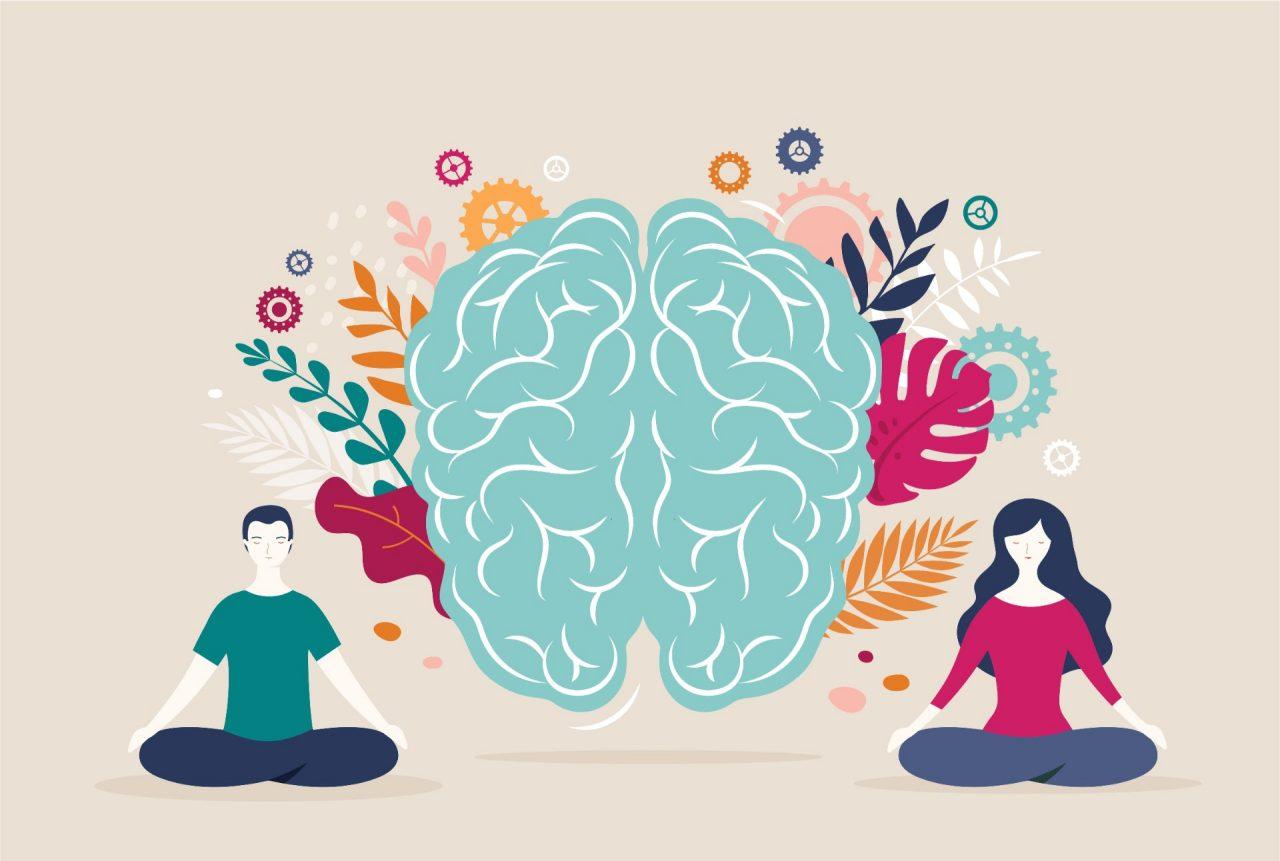
3. Mindfulness & Meditation

Mindfulness means paying attention to the present moment without judgment.
Benefits Supported by Research:
- Reduced stress
- Better emotional control
- Improved focus
- Lower anxiety levels
Simple Ways to Practice:
- Deep breathing
- Guided meditation
- Mindful walking
- Journaling
You don’t need hours—just a few mindful minutes daily.
4. Strong Social Connections

Humans are naturally social beings.
Research consistently shows that strong relationships improve:
- Emotional resilience
- Stress management
- Overall happiness
Healthy Social Habits:
- Spend time with supportive people
- Talk openly about feelings
- Build real-life connections—not only digital ones
Isolation can worsen mental health challenges.
5. Limiting Digital Overload

Modern digital lifestyles constantly stimulate the brain.
Excessive screen time may contribute to:
- Anxiety
- Mental fatigue
- Sleep disruption
- Reduced concentration
Research-Based Tips:
- Take screen breaks
- Limit social media comparison
- Create phone-free time daily
Your brain needs recovery from constant stimulation.
Why Quick Fixes Often Fail

Mental health is not usually improved by:
- One motivational video
- One productivity hack
- One meditation session
Real improvement comes from:
- Consistent habits
- Better lifestyle balance
- Long-term emotional care
Additional Habits That Support Mental Wellness
-
Healthy Nutrition
Balanced meals support brain health. -
Sunlight & Nature
Natural light improves mood and sleep cycles. -
Journaling
Helps process emotions and thoughts. -
Gratitude Practices
Can improve emotional outlook over time.
Common Mental Health Mistakes
- Ignoring Stress Signals – Burnout often builds slowly.
- Comparing Yourself Online – Social media comparison harms self-esteem.
- Overworking Constantly – Rest is productive too.
- Expecting Instant Change – Mental wellness takes time.
When to Seek Professional Support
Lifestyle practices help—but professional support matters too.
Consider professional help if you experience:
- Persistent anxiety
- Severe burnout
- Long-term sadness
- Panic attacks
- Difficulty functioning daily
Mental health support is healthcare—not weakness.
Building a Simple Daily Mental Health Routine
Morning
- Light movement
- Sunlight exposure
- Deep breathing
Afternoon
- Balanced meals
- Short breaks from screens
Evening
- Reduced phone usage
- Journaling or mindfulness
- Consistent sleep routine
Small routines create long-term stability.
Final Thoughts
Mental health improvement doesn’t require perfection.
The practices that work best are often:
- Simple
- Sustainable
- Research-supported
- Consistent
In 2026, mental wellness is becoming just as important as physical fitness.
Conclusion
Research continues to show that healthy habits can significantly improve mental well-being.
The most effective practices include:
- Exercise
- Sleep
- Mindfulness
- Social connection
- Reducing digital overload
Mental health is not built overnight. It’s built through daily habits that support your mind and body consistently.