
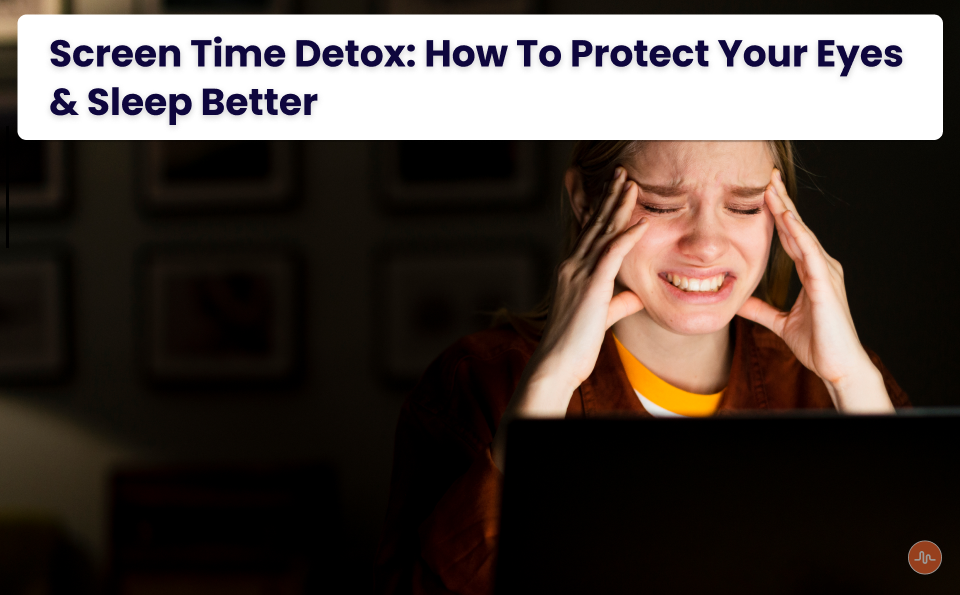
Screen Time Detox: How to Protect Your Eyes & Sleep Better
In today’s digital age, screen time has become an integral part of our daily lives. From work to entertainment, we rely heavily on screens—whether TVs, tablets, smartphones, or computers. While technology offers convenience, excessive screen time can lead to digital eye strain, headaches, and disrupted sleep patterns. Fortunately, with a few simple strategies, you can reduce digital eye strain and improve your sleep without compromising productivity. Here’s how to start your screen time detox.
Understanding Digital Eye Strain
Excessive screen time can cause digital eye strain, also known as computer vision syndrome. Symptoms include headaches, dry eyes, blurred vision, and discomfort around the eyes. A significant contributor is the blue light emitted by digital devices, which can tire the eyes and disrupt sleep.
Did You Know?
- According to the American Optometric Association, digital eye strain affects 58% of people who use computers regularly.
- Studies reveal that blue light exposure before bedtime can suppress melatonin by up to 55%, making it harder to fall asleep.
The Link Between Screen Time and Sleep
Research shows that excessive screen use, especially before bed, negatively affects sleep quality. The blue light from screens disrupts your circadian rhythm, suppressing melatonin production and tricking your brain into thinking it’s daytime. This can lead to restless nights, insomnia, and daytime fatigue.
Eye-Opening Fact:
A National Sleep Foundation study found that people who use screens for more than seven hours daily are twice as likely to experience disrupted sleep patterns.
Moreover, evening screen time increases mental alertness, interfering with your body’s natural relaxation process. Overindulging in activities like social media scrolling or binge-watching delays bedtime and reduces overall sleep duration.
Easy Methods to Reduce Digital Eye Strain
Whether you’re using screens for work or leisure, try these strategies to protect your eyes:
Follow the 20-20-20 Rule
Every 20 minutes, look at something 20 feet away for 20 seconds. This simple habit gives your eyes a much-needed break, reducing tension and preventing strain.
Adjust Screen Settings
Optimize your device’s brightness, contrast, and text size to suit your environment. Avoid screens that are too bright or too dim, as both can exacerbate eye fatigue.
Use Blue Light Filters
Many devices offer “blue light filter” or “night mode” settings. You can also purchase screen protectors or apps to minimize blue light exposure.
Improve Lighting
Ensure your workspace has proper lighting. Avoid glare by positioning screens away from windows and overhead lights. Consider investing in anti-glare screen filters if necessary.
Blink More Often
Staring at screens can reduce your blink rate, leading to dry, irritated eyes. Make a conscious effort to blink frequently to keep your eyes moist and comfortable.
Tips for Reducing Screen Time and Enhancing Sleep
Minimizing screen time, particularly in the evening, can significantly improve your sleep quality. Here’s how:
Create a Digital Curfew
Turn off all screens at least an hour before bed. Use this time for relaxing activities like reading a book, meditating, or taking a warm bath to promote melatonin production and mental relaxation.
Avoid Evening Caffeine and Screen Use
Caffeine and screens can both keep your mind active. Steer clear of them in the hours leading up to bedtime to prepare your body for restful sleep.
Set Task Boundaries
Establish clear boundaries for work-related screen use. Log off at a specific time each day to separate work from leisure and rest.
Try the 3-2-1 Method
Avoid meals three hours before bed, finish work two hours before bed, and turn off screens one hour before bed. This routine helps reset your body’s internal clock and prepares your mind for sleep.
Incorporate Screen-Free Activities
Screen detox doesn’t mean sacrificing entertainment or relaxation. Consider these screen-free alternatives:
- Reading physical books instead of eBooks
- Taking a walk to enjoy nature
- Practicing mindfulness or meditation
- Journaling or engaging in creative writing
- Listening to music or podcasts with your eyes closed
- Exploring hobbies like drawing, knitting, or puzzles
Summary
While screens are an unavoidable part of modern life, they don’t have to compromise your health. By setting boundaries, taking regular breaks, and adopting healthy habits, you can reduce digital eye strain and improve your sleep. A balanced approach to screen use not only protects your eyes but also ensures you remain energized and productive throughout the day.
Remember: The goal isn’t to eliminate screens entirely but to develop a healthy relationship with technology. Start implementing these tips today for better sleep and happier eyes!